

Mazda RX-3 Accessory Drive Belt Guide: 1972-1978 Models
Keep your rotary running smoothly by choosing the right accessory drive belt.
- Your RX-3 uses V-belts, not a modern serpentine belt; confirm your car's specific belt configuration before buying.
- Squealing is the most common sign of a worn or loose belt; inspect it immediately to prevent a breakdown.
- Modern aftermarket brands like Gates, Continental, and Dayco offer excellent quality that often exceeds the original 1970s specifications.
- Replacement is a simple DIY job that requires basic hand tools and an understanding of how to properly tension the new belt.
Symptoms of a Failing Accessory Drive Belt
A worn or failing drive belt on your RX-3 will give you clear warning signs. Because these belts run critical components, it's important to address these symptoms quickly to avoid a breakdown.
- Squealing Noises: This is the most common symptom. You may hear a high-pitched squeal when you start the engine, especially when it's cold or damp. The noise might also get louder when you turn on electrical accessories, which puts more load on the alternator.
- Visible Wear or Damage: Look at the belts themselves. Obvious cracks, fraying, glazing (a shiny, smooth surface), or missing chunks are clear signs the belt needs immediate replacement.
- Dimming Lights or Battery Issues: If the alternator belt is slipping, it can't effectively charge the battery. You might notice your headlights are dim, or the battery warning light may flicker or stay on.
- Engine Overheating: The water pump is crucial for preventing your rotary engine from overheating. If the belt driving the water pump breaks or slips badly, the engine temperature will rise quickly, which can cause serious damage.
Choosing the Right Aftermarket Drive Belt
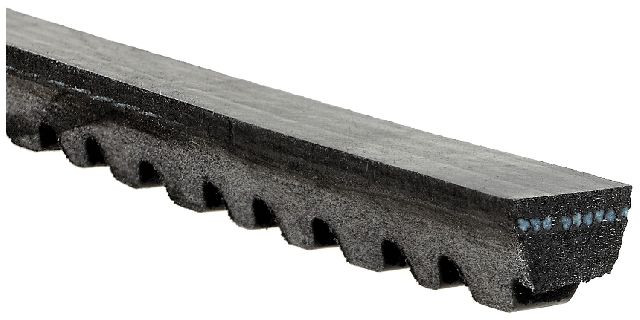
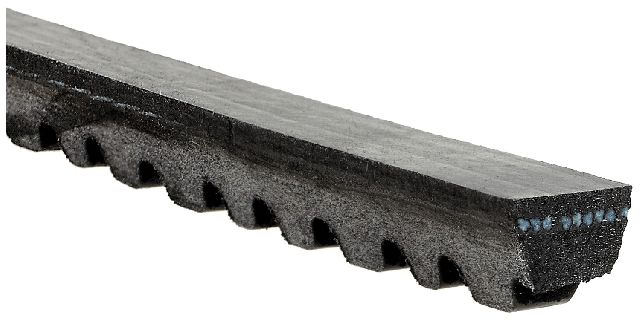
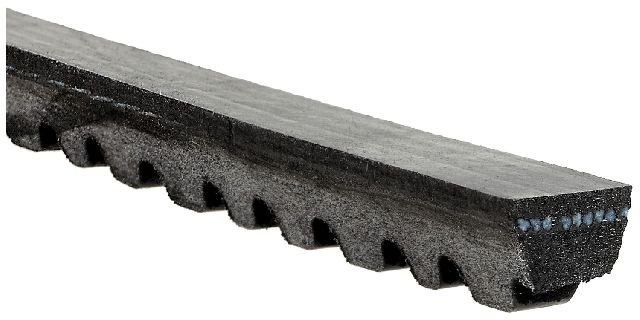
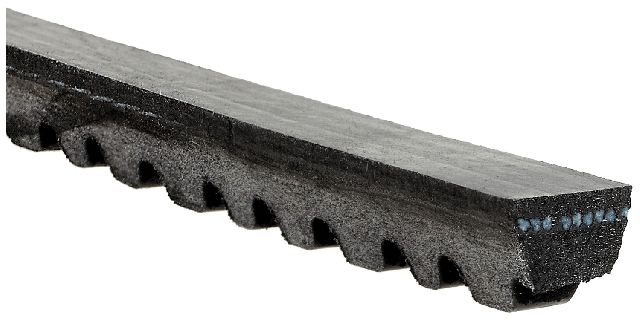
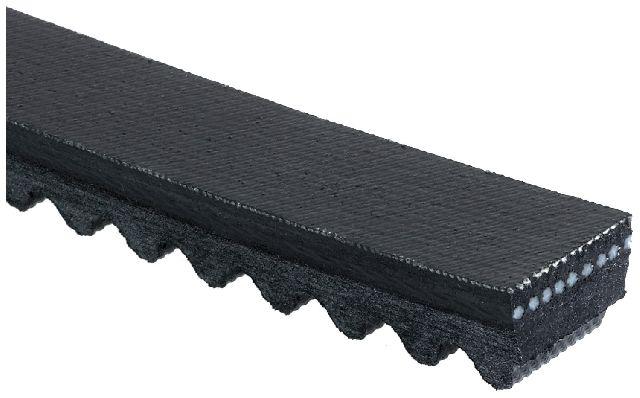
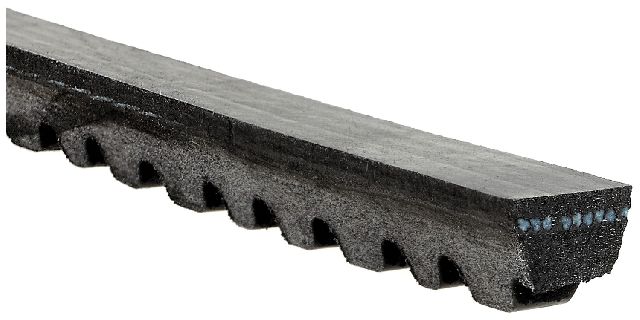
For a classic vehicle like the 1972-1978 Mazda RX-3, original equipment (OEM) belts are generally no longer available. However, modern aftermarket belts from reputable brands offer excellent, and often superior, performance due to advances in materials like EPDM rubber. Your RX-3 uses V-belts, which are simpler to install than modern serpentine belts.
Brand Quality Tiers
| Tier | Brands | Quality & Notes |
|---|---|---|
| Premium Aftermarket | Gates | Often considered a top-tier choice by mechanics and enthusiasts. Known for durability and high-quality materials. Many trust Gates for critical applications. |
| Quality Aftermarket | Continental, Dayco | Both are major OEM suppliers and produce reliable belts. Some users in forums report occasional noise issues with Dayco or Continental belts compared to Gates, but they are generally considered dependable replacements. |
Pro Tip: When replacing your belts, it's a good time to inspect the pulleys for grime or wear. Clean the pulley grooves with a wire brush to ensure the new belt grips properly and doesn't get damaged. Also, check belt tension after about 50 miles of driving, as new belts can stretch slightly.
Known Issues, Recalls, or TSBs
Searches of the National Highway Traffic Safety Administration (NHTSA) database and other public records show no recalls or Technical Service Bulletins (TSBs) for the accessory drive belts on the 1972-1978 Mazda RX-3. Any issues you encounter, like belt squeal, are typically due to normal wear, improper tension, or pulley contamination rather than a manufacturing defect.
Frequently Asked Questions (FAQ)
How many belts does my Mazda RX-3 have?
Most RX-3s have two separate V-belts: one for the alternator and water pump, and a second for the air pump if equipped. Cars with factory air conditioning would have an additional belt. Always verify the configuration on your specific car before ordering.
Is it hard to replace the drive belts on an RX-3?
No, it is a straightforward job for a DIY mechanic. Unlike modern cars, the RX-3 has a simple tensioning system. You typically loosen the bolts on the alternator, pivot it to release tension, and slip the old belt off and the new one on. Then you re-tension the belt and tighten the bolts.
How do I know if the belt tension is correct?
A common rule of thumb is that at the midpoint of the longest span of the belt, you should be able to twist it about 90 degrees (a quarter turn) with your fingers. You should also be able to press down on it with about half an inch of deflection. A belt that is too loose will slip and squeal, while a belt that is too tight can damage the bearings in your alternator or water pump.
Should I replace OEM with aftermarket?
Yes. For a vehicle of this age, finding a new old stock (NOS) OEM belt is rare and not necessarily better. Rubber degrades over time, even in storage. A new aftermarket belt from a quality brand like Gates, Dayco, or Continental will be made from modern compounds that are more resistant to heat and wear than the originals.
Technical Specifications
Accessory drive systems on the 1972-1978 Mazda RX-3 use V-belts. The exact length and number of belts depend on the specific year, engine (10A or 12A), and factory options like air conditioning or an air pump. Belts are typically made of EPDM rubber.
We Have This Part in Stock

The information in this article is provided for general reference and educational purposes only. Vehicle specifications, procedures, and part compatibility can vary by production date, trim level, and region. Always consult your vehicle's factory service manual and verify part numbers before purchasing or performing repairs. Safety-critical components such as airbags, seat belts, and braking systems should be installed by a qualified professional.