

Choosing the Right Ignition Coil for Your 1972-1978 Mazda RX-3
Keep your classic rotary engine firing on all cylinders with a reliable new ignition coil.
- Most 1972-1978 RX-3s use two ignition coils (leading and trailing); inspect your car to confirm before ordering.
- Symptoms of failure include misfiring, rough idle, stalling, and reduced power.
- Replacement is a simple DIY task that can be done in under 30 minutes with basic tools.
- For reliability, choose trusted brands like NGK or Standard Ignition; economy brands have a higher risk of early failure.
Symptoms of a Failing Ignition Coil
A bad ignition coil can cause problems that are hard to ignore. Because the rotary engine relies on a precise ignition sequence, these symptoms can appear suddenly. Look out for these common signs of failure:
- Engine Misfires: The car may jerk, sputter, or hesitate during acceleration. This is often the most common symptom.
- Rough Idle and Stalling: Your RX-3 may idle poorly, shake, or even stall at traffic lights.
- Difficulty Starting: A weak or dead coil can prevent the engine from starting at all.
- Reduced Engine Power: The car may feel sluggish and less powerful than usual because one or more spark plugs aren't firing correctly.
- Poor Fuel Economy: When the coil fails, unburned fuel is wasted, causing you to fill up more often.
- Black Smoke or Backfiring: Unburned fuel can enter the exhaust system, where it can ignite, causing a loud bang and black smoke.
Choosing the Right Aftermarket Ignition Coil
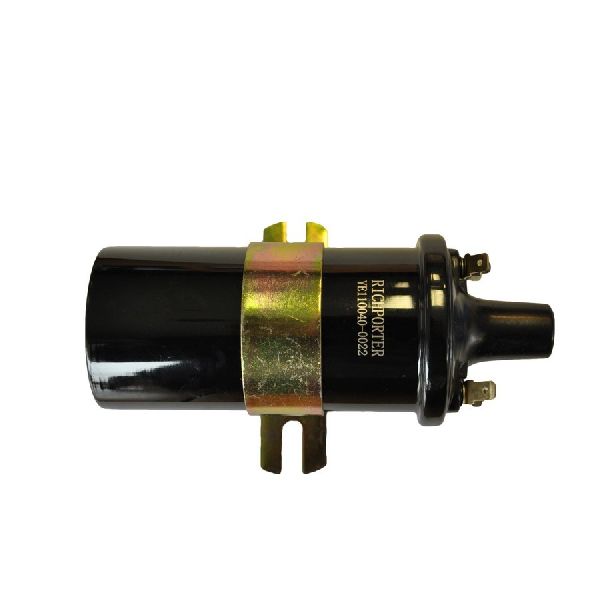
For a classic vehicle like the 1972-1978 RX-3, new original equipment (OEM) ignition coils are generally no longer available. The market is now served by aftermarket manufacturers who offer a range of quality and price points. Here’s a breakdown of the available brands to help you choose.
Premium & Trusted Brands
These brands are known for quality and reliability, often meeting or exceeding original specifications. They are a safe bet for keeping your rotary running smoothly.
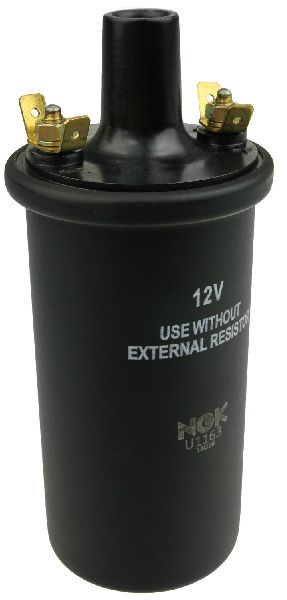
- NGK: As a major OEM supplier for many Japanese vehicles, NGK is a highly trusted name in ignition parts. Owners generally report excellent reliability and performance, making them a top choice.
- Standard Ignition (SMP): A well-regarded brand in the aftermarket, known for producing durable and reliable parts.
Performance & Mid-Tier Brands
These brands can offer good performance, and some are popular for upgrades, but owner feedback is sometimes mixed.
- Accel: Often seen as a performance upgrade, Accel coils can be a good choice for owners looking for a stronger spark. However, some users have reported long-term durability issues like cracked boots or connectors, so quality can be inconsistent.
- WAI Global: This brand is marketed as an OE-quality equivalent and generally receives positive feedback for reliability.
Standard & Economy Brands
These brands offer a budget-friendly solution. While they may come with warranties, be aware that some user reviews indicate a higher chance of premature failure.
- Spectra: Often one of the lowest-priced options. While Spectra offers a lifetime warranty, some owners have experienced failures shortly after installation, requiring them to use the warranty.
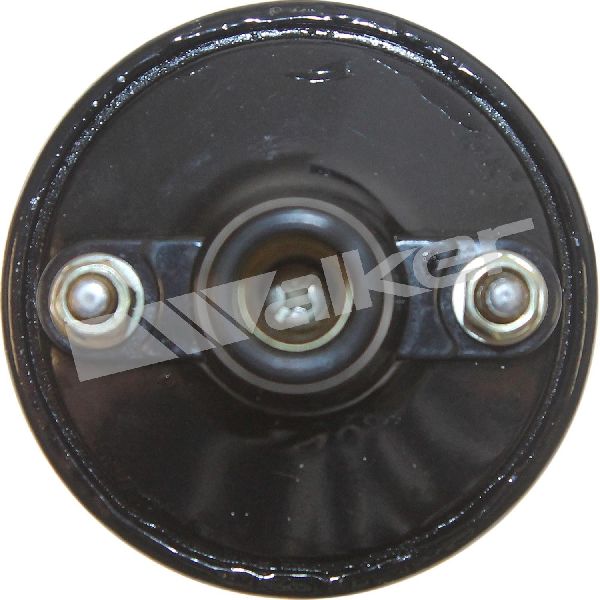
- Global Parts, Holstein, Walker Products: These brands fall into the standard replacement category. They are functional replacements but lack the extensive positive reviews of premium brands.
Aftermarket Ignition Coil Cost (1972-1978 Mazda RX-3)
| Brand Tier | Estimated Price (per coil) |
|---|---|
| Premium (NGK, Standard Ignition) | $35 - $43 |
| Mid-Tier (Accel, WAI Global) | $30 - $40 |
| Economy (Spectra, others) | $27 - $35 |
Frequently Asked Questions
Does my 1972-1978 RX-3 have one or two ignition coils?
Most RX-3s from this period, particularly those with the 10A and 12A rotary engines, came from the factory with two separate ignition coils and two distributors. One coil fires the leading spark plugs, and the other fires the trailing plugs. Some very late models (1974 onwards with the 12B engine) may have switched to a single distributor system, but it's common to have two coils. It is essential to inspect your specific vehicle to confirm how many you need.
Can I upgrade my ignition coil for better performance?
Yes. Upgrading to a higher-output coil from a brand like Accel is a common modification for carbureted vehicles like the RX-3. A stronger spark can help ensure more complete fuel combustion, potentially improving throttle response. However, make sure the new coil is compatible with your car's original ignition system (points or electronic).
How do I test my RX-3's ignition coil?
You can perform a basic test on a canister-style coil with a multimeter. You will measure the resistance between the positive and negative low-voltage terminals (primary resistance) and between the positive terminal and the high-voltage output tower (secondary resistance). You will need to find the correct resistance specifications for your specific coil, as out-of-spec readings indicate a faulty coil.
Is it difficult to replace the ignition coil myself?
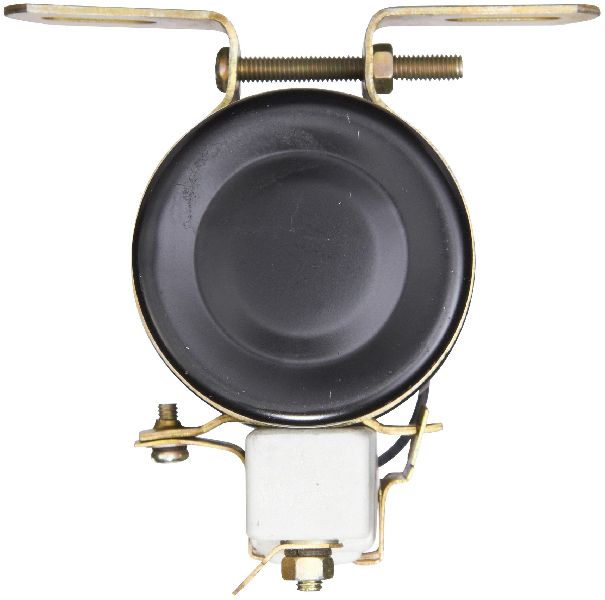
No, this is a very easy job for a DIY mechanic. The ignition coil is typically mounted to the engine bay wall or fender and is easily accessible. The process involves disconnecting the battery, unplugging two small wires, unscrewing the main spark plug wire, and removing one or two mounting bolts. The entire job can usually be done in under 30 minutes with basic hand tools.
Technical Specifications
Ignition System Type: Breaker-Point with external canister coil. Most models require two coils (one leading, one trailing).
We Have This Part in Stock


The information in this article is provided for general reference and educational purposes only. Vehicle specifications, procedures, and part compatibility can vary by production date, trim level, and region. Always consult your vehicle's factory service manual and verify part numbers before purchasing or performing repairs. Safety-critical components such as airbags, seat belts, and braking systems should be installed by a qualified professional.