

A Guide to Replacing the Starter Motor on Your 1972-1979 Buick Riviera
Solve common starting problems and get your classic Riviera turning over reliably with the right aftermarket starter.
- A common failure on these Rivieras is 'heat soak,' where the starter fails to crank when the engine is hot.
- Upgrading to a modern high-torque 'mini-starter' from a brand like Powermaster or Proform is a popular and effective solution for heat soak.
- Always check your battery and cable connections first, as bad connections can mimic the symptoms of a failing starter.
- Replacement is a feasible DIY job for those comfortable working under their car, but be prepared to use shims for proper alignment.
Is Your Riviera's Starter Failing?
A bad starter can leave you stranded. Before you replace it, make sure your battery is fully charged and the battery cables are clean and tight. Problems with cables can look like a bad starter. If the battery and cables are good, look for these common symptoms of a failing starter.
Symptoms of a Bad Starter
- Single Loud Click: You turn the key and hear one loud click, but the engine doesn't crank. This often points to a bad starter solenoid, which is part of the starter assembly.
- Slow, Labored Cranking: The engine turns over very slowly, like the battery is weak, even when it's fully charged. This is a classic sign of a worn-out starter motor.
- Grinding Noise: A grinding or whirring sound when you try to start the car can mean the starter gear is not engaging properly with the engine's flywheel, or it's damaged.
- No Sound at All: If you turn the key and nothing happens, the starter could be completely dead.
- Hot-Start Problems (Heat Soak): A very common issue on these cars is when the starter works fine when cold, but cranks slowly or not at all after the engine has warmed up. This is called 'heat soak,' where heat from the engine and exhaust manifold increases the starter's electrical resistance.
Known Issue: Heat Soak
The original, large starters on 1970s Buick V8s are very close to the hot exhaust. Over time, this heat can damage the starter's internal parts, causing it to struggle when hot. Many owners choose to upgrade to a modern, high-torque mini-starter to permanently solve this issue. Using a starter heat shield can also help protect the component.
Choosing the Right Aftermarket Starter
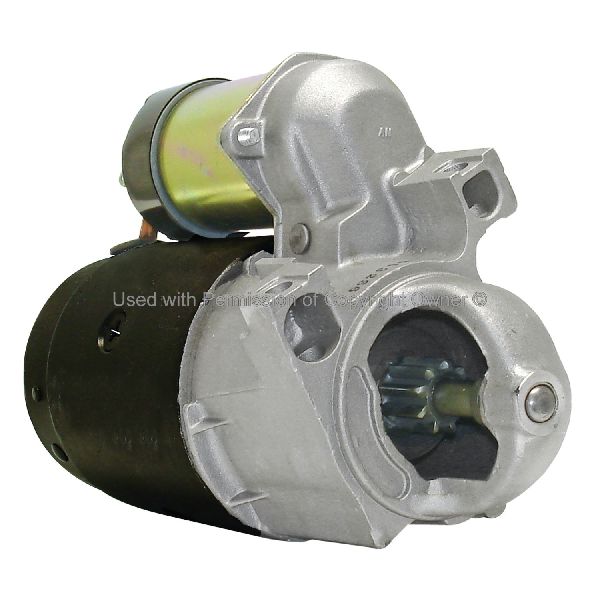
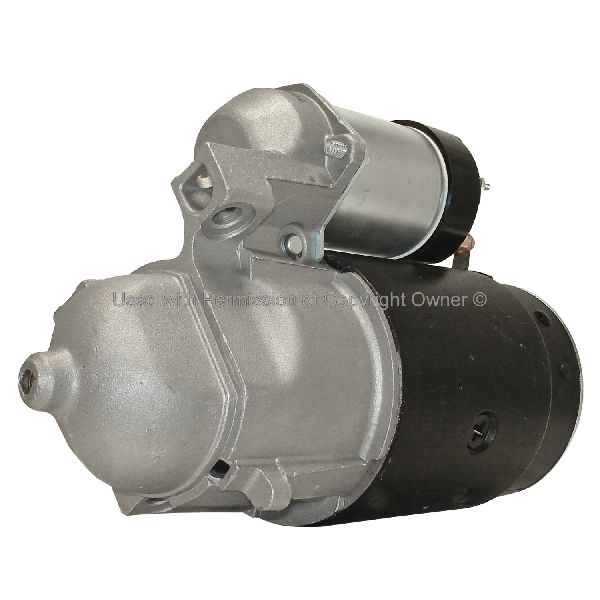
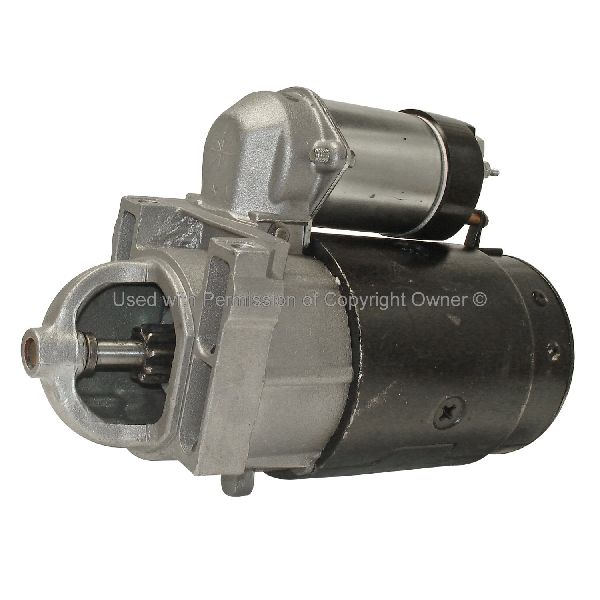
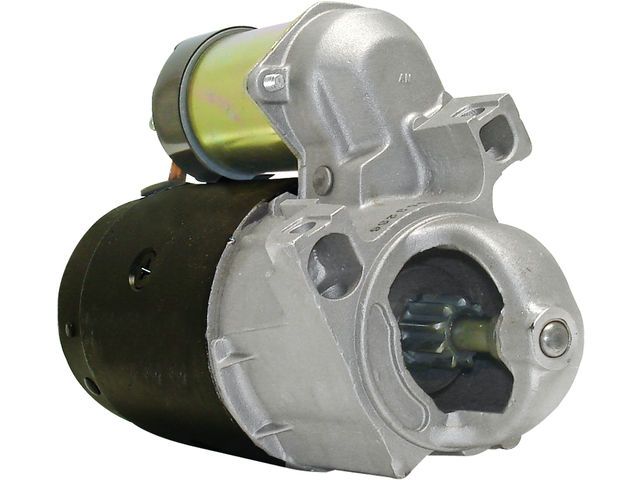
For your Riviera, you have two main paths: a standard replacement that looks and functions like the original, or a modern high-torque starter that offers more power in a smaller package. Original OEM starters are no longer made, so all options are from the aftermarket.
Standard Replacement Brands
These brands offer starters that are a direct, factory-style replacement. They are a good choice for owners wanting to keep an original appearance and who do not have hot-start problems.
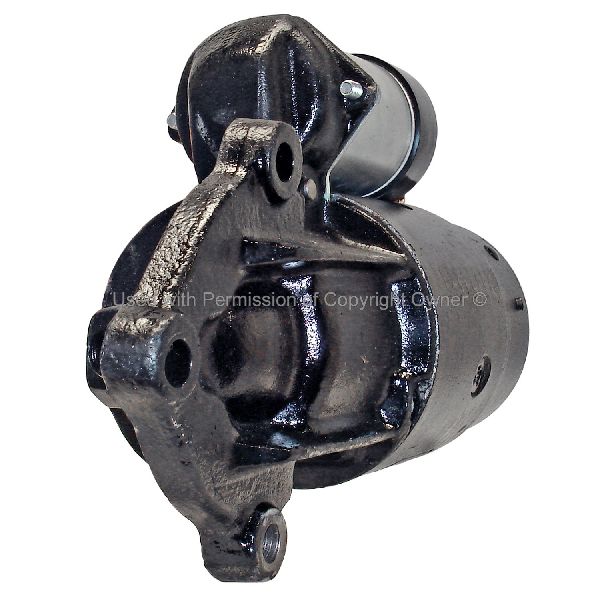
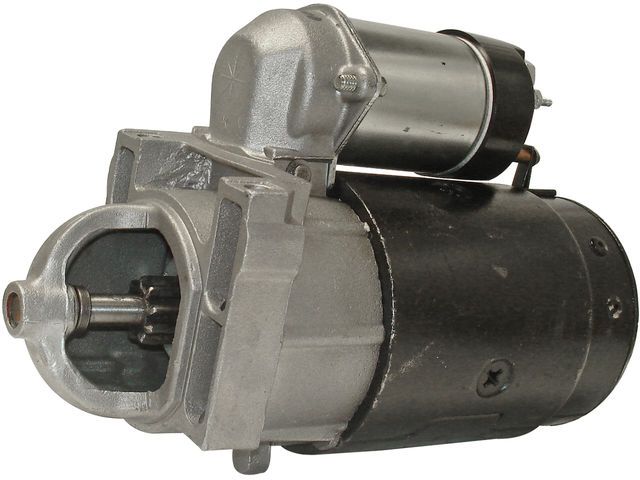
- ACDelco: Often considered the OEM-equivalent brand for GM vehicles, ACDelco offers remanufactured starters that are built to original specifications. They are a reliable choice for a stock replacement.
- MPA (Quality-Built): This brand produces new and remanufactured starters that meet or exceed original equipment (OE) specifications. They are a solid, standard aftermarket option.
Performance & Problem-Solver Brands (High-Torque)
These smaller, more powerful starters are a popular upgrade. They use a gear reduction system to create more cranking power (torque) with less electricity. This makes them excellent for solving heat soak issues and for cars with modified, high-compression engines.
- Powermaster: A highly-regarded brand in the classic car community, Powermaster starters are known for their high quality, reliability, and powerful cranking speed. They are often recommended as a permanent fix for heat soak problems.
- Proform: Proform offers a popular and affordable line of high-torque mini-starters. They can provide 40-50% more cranking power than a stock unit and their smaller size gives more clearance for exhaust headers.
- MSD: Known for performance ignition systems, MSD also offers high-torque starters that are a good upgrade for performance and reliability.
What are Starter Shims?
A starter shim is a thin metal plate that fits between the starter and the engine block. It is used to adjust the distance between the starter gear and the flywheel. Many replacement starters come with shims. If you hear a grinding or high-pitched whining noise after installation, you may need to add or remove shims to get the spacing correct.
Estimated Costs
| Part or Service | Estimated Cost |
|---|---|
| New Aftermarket Starter (Standard) | $66 - $150 |
| New Aftermarket Starter (High-Torque) | $180 - $385 |
| Shop Labor | $120 - $250 |
| Total Professional Replacement | $186 - $635 |
Frequently Asked Questions
Do I need a special high-torque starter?
If your car starts fine when cold but struggles when hot, a high-torque starter is the best solution for the common heat soak problem. It's also a smart upgrade if you have a modified engine with higher compression.
Is it hard to replace the starter on a '72-'79 Riviera?
For a DIY mechanic with some experience, it's a manageable job. It requires safely lifting the car, disconnecting the battery, and working underneath the engine. You will need a good socket set, possibly with extensions. The main challenges are reaching the bolts and handling the weight of the old starter.
What is a starter solenoid?
The solenoid is a small component, usually attached to the top of the starter motor. It acts as a powerful switch. When you turn the key, it sends the high current from the battery to the starter motor and pushes the starter gear out to engage the flywheel. A 'click' with no crank is a classic symptom of a failed solenoid.
Are there any recalls for the starter on my Riviera?
No, there are no recalls or technical service bulletins (TSBs) from the manufacturer related to the starter motor for the 1972-1979 Buick Riviera.
Technical Specifications
The original starter is a large, direct-drive unit. Aftermarket options include direct-drive replacements and high-torque, gear-reduction mini-starters. Key factors are the number of teeth on the gear (typically 9) and ensuring compatibility with the Buick 350, 455, or other engine options for this generation. High-torque starters are rated by their gear reduction ratio (e.g., 3.75-to-1) and power output (kW).
We Have This Part in Stock

The information in this article is provided for general reference and educational purposes only. Vehicle specifications, procedures, and part compatibility can vary by production date, trim level, and region. Always consult your vehicle's factory service manual and verify part numbers before purchasing or performing repairs. Safety-critical components such as airbags, seat belts, and braking systems should be installed by a qualified professional.