

Choosing the Right Aftermarket Alternator for Your 1972-1979 Ford LTD
Don't get stranded by a dead battery—here's what to know before you buy a new alternator for your classic LTD.
- Your LTD uses an external voltage regulator that should always be replaced with the alternator.
- Symptoms like dimming lights, a dead battery, or whining noises are classic signs of failure.
- For reliability and future-proofing, consider a high-output brand like Powermaster, especially if you have added electronics.
- Be cautious with budget-friendly and some name-brand standard replacements, as quality can be inconsistent.
Is Your LTD's Alternator Failing?
When an alternator starts to go bad, it gives clear warning signs. Because it's the heart of your car's electrical system, the symptoms are almost always electrical. Ignoring them can leave you stranded when the battery finally runs out of juice.
Common Failure Symptoms
- Dimming or Flickering Lights: Headlights and dash lights may dim at idle and brighten when you rev the engine. This is a classic sign of an alternator struggling to produce consistent power.
- Weak or Dead Battery: If you need to jump-start your car frequently, the alternator is likely not recharging the battery properly. A new battery might die quickly if the alternator is the real problem.
- 'ALT' or 'GEN' Warning Light: The battery-shaped light on your dashboard is a direct indicator of a charging system problem.
- Whining or Grinding Noises: A high-pitched whine or a grinding sound from the front of the engine often points to failing bearings inside the alternator.
- Engine Stalling: The ignition system needs electricity to run. If the alternator's output drops too low, the engine can stall while driving.
Choosing the Right Aftermarket Alternator for Your LTD
For a classic car like the 1972-1979 LTD, finding a brand-new OEM (Original Equipment Manufacturer) part from Ford is nearly impossible. Your choices are in the aftermarket, which is filled with brands of varying quality. Aftermarket parts can be as good as the original, but quality can be inconsistent, especially with remanufactured units.
Brand Quality Tiers
Not all aftermarket brands are created equal. Based on owner experiences and brand reputation, we can group them into tiers.
Tier 1: Performance & High-Output Upgrades
These brands are a good choice if you've added electrical accessories like a modern stereo, electric cooling fans, or extra lighting. They offer higher amperage output than the stock unit and often have a better reputation for reliability.
- Powermaster: Often cited as a top choice for classic Fords. Many units are made in the USA and come with an individual test report (a dyno sheet) showing their exact output. Owners report excellent performance and reliability, especially when needing more power than stock.
- Proform: Another performance-oriented brand that offers higher-than-stock amperage options, often with a chrome or polished finish.
Pro Tip: A higher amperage alternator can be a smart upgrade even on a stock vehicle. It places less strain on the unit to power your car's systems, which can contribute to a longer life.
Tier 2: Standard Replacements (Quality Varies)
These brands offer direct, stock-level replacements. However, forum discussions reveal that quality can be a gamble, with some units failing prematurely.
- ACDelco: Once a top-tier brand, recent reviews suggest a decline in quality, with many reports of units being made in China and failing within months or even weeks. Buying one can be a risk.
- Remy: Reviews for Remy are mixed. Some owners have had them last for years without issue, while others report premature bearing failure and noise.
- BBB Industries, MPA, USA Industries: These are common aftermarket suppliers that produce both new and remanufactured parts. They are a standard, budget-friendly option, but expect quality consistent with the price point.
A Note on Remanufactured Parts: Many alternators in this price range are remanufactured. While this is a cost-effective option, the quality of the rebuild is critical. Many owners report receiving units that are defective right out of the box or fail quickly. If possible, a new unit from a reputable brand is often a safer bet.
How Much Should You Expect to Pay?
The cost for a new aftermarket alternator for your LTD can vary significantly based on the brand and output.
| Part Type | Estimated Price Range |
|---|---|
| New Aftermarket (Standard) | $35 - $120 |
| New Aftermarket (High-Output/Performance) | $130 - $315+ |
| Remanufactured Aftermarket | $40 - $150 (plus core charge) |
Frequently Asked Questions
Do I need to replace the voltage regulator at the same time?
Yes. On a 1972-1979 Ford LTD, the voltage regulator is a separate component. Given its age and critical role in controlling the alternator's output, it is highly recommended to replace the regulator whenever you install a new alternator. A faulty regulator can quickly destroy a brand-new alternator.
Is a higher amperage (amp) alternator a good idea?
Generally, yes. The original alternators had low outputs (often 40-60 amps). A higher output unit, like a 75-amp or 100-amp model, will run under less stress to power your vehicle's basic systems. It's almost essential if you have added any modern electronics like a powerful stereo, fuel injection, or electric fans.
What's the difference between a new and a remanufactured alternator?
A new alternator is made with 100% new components. A remanufactured alternator has been disassembled, cleaned, and had its worn or failed components (like bearings, brushes, and diodes) replaced before being tested. While remanufacturing can be a good value, the quality depends entirely on the rebuilder, and premature failures are a common complaint with budget-friendly options.
Why did my new alternator fail so quickly?
There are several common reasons. The number one cause is often a faulty or old voltage regulator that sends improper voltage to the new unit. Other causes include a weak or failing battery that overworks the alternator, loose or corroded wiring connections, or a drive belt that is too tight or too loose. Sometimes, you may simply get a defective part, which is a known issue with some lower-cost brands.
Technical Specifications
The 1972-1979 Ford LTD typically uses a Ford 1G Series alternator with an external voltage regulator. Amperage ratings for original units were often between 40 and 70 amps. When ordering, confirm the pulley type (V-Belt) and clock position (orientation of the electrical connections) match your original unit.
We Have This Part in Stock
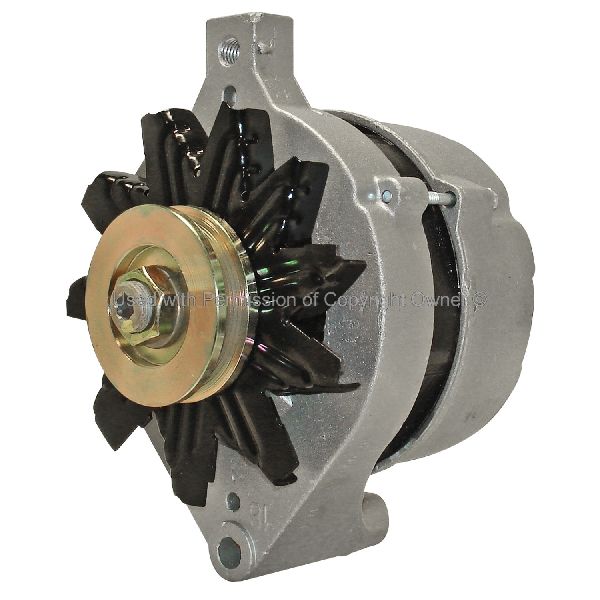
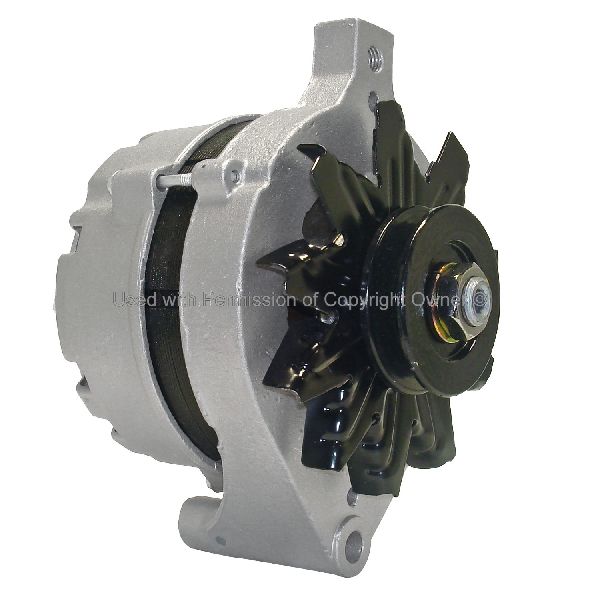
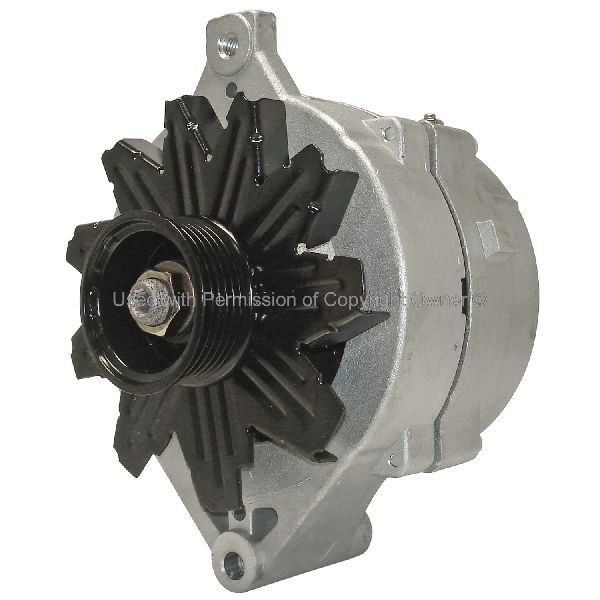
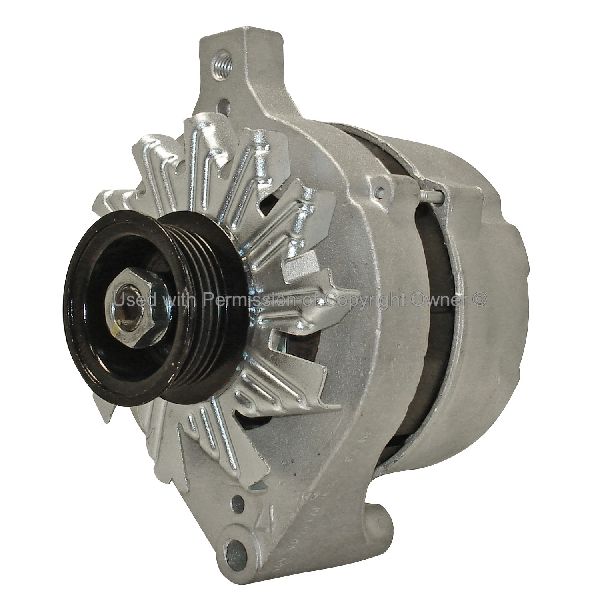
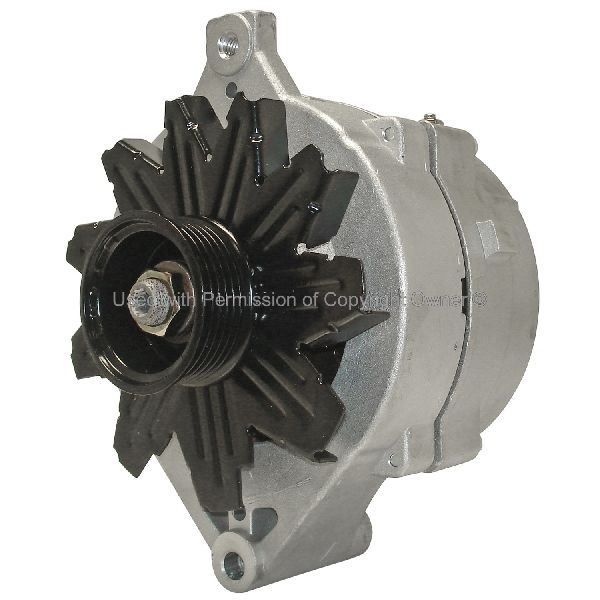
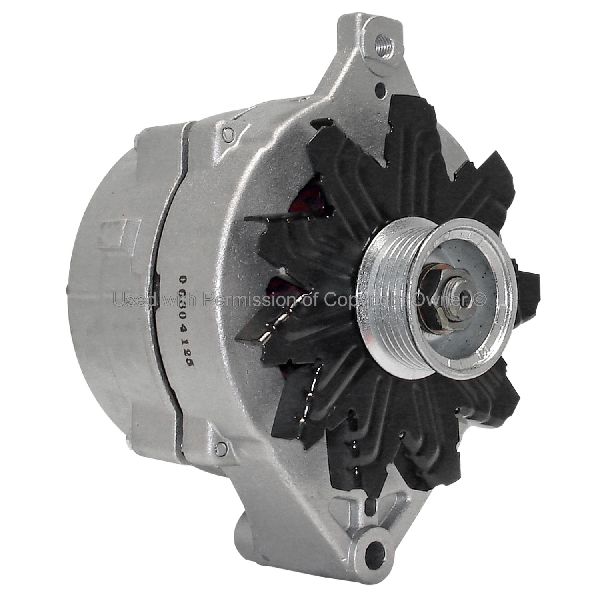

The information in this article is provided for general reference and educational purposes only. Vehicle specifications, procedures, and part compatibility can vary by production date, trim level, and region. Always consult your vehicle's factory service manual and verify part numbers before purchasing or performing repairs. Safety-critical components such as airbags, seat belts, and braking systems should be installed by a qualified professional.