

Ford Ranchero Alternator Guide: Choosing the Right Replacement for 1972-1979 Models
Keep your classic Ranchero's electrical system healthy by understanding its unique charging system.
- Your Ranchero uses an external voltage regulator, which is a common failure point and should be checked before replacing the alternator.
- Upgrading to a modern, internally regulated alternator (like a Ford 3G) is a popular and highly recommended modification for improved reliability and performance.
- Symptoms like dimming lights, a battery warning light, and frequent dead batteries are classic signs of a charging system problem.
- When replacing, ensure all electrical connections are clean and tight, and check the condition of the drive belt.
Is Your Ranchero's Alternator Failing?
An alternator problem on a 1970s vehicle gives clear warning signs. Because these charging systems are simple, the symptoms are usually straightforward. Ignoring them will lead to a car that won't start.
Common Failure Symptoms:
- Dim or Flickering Headlights: This is the most common sign. You may notice the lights get brighter as you rev the engine.
- Battery Light On: The 'ALT' or 'GEN' light on your dash indicates a problem in the charging system. Sometimes on these older Fords, the light may stay on until you reach a higher RPM.
- Dead or Weak Battery: If you need to jump-start your Ranchero frequently, the alternator is likely not recharging the battery properly.
- Whining or Grinding Noises: A high-pitched whine or a grinding sound from the front of the engine often points to failing bearings inside the alternator.
- Electrical Issues: The radio acting up, slow power windows, or other electrical gremlins can happen when power supply is inconsistent.
- Intermittent Charging: On these Rancheros, owners often report charging that cuts in and out. This can be caused by worn alternator brushes or, more commonly, a bad connection or a failing external voltage regulator.
The External Voltage Regulator
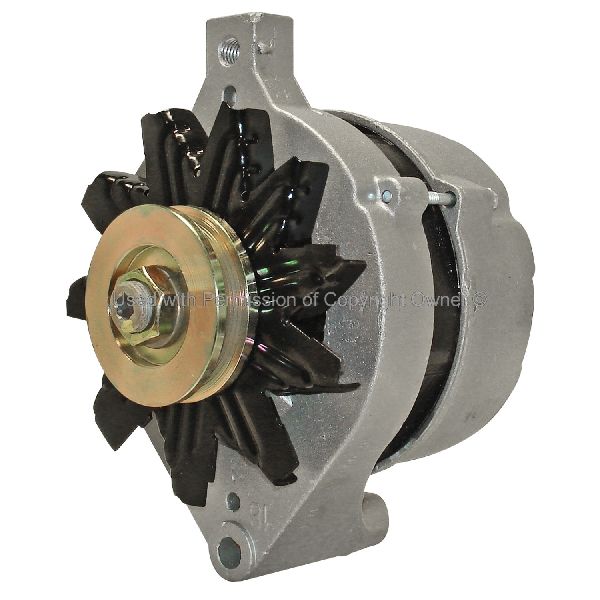
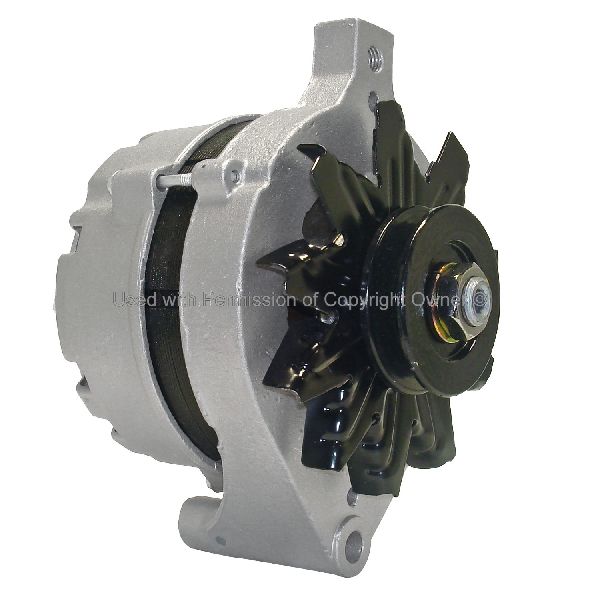
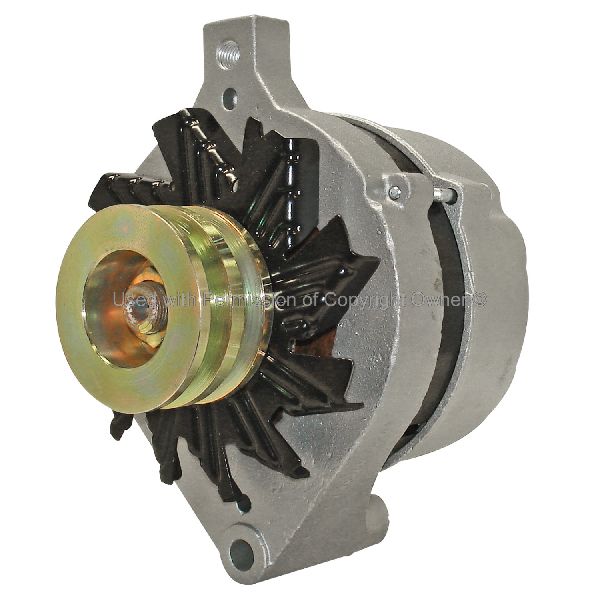
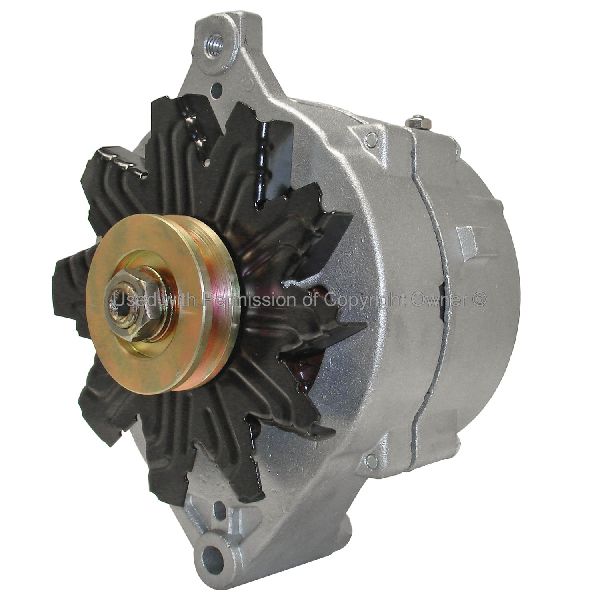
Your Ranchero uses a Ford 1G series alternator, which relies on an external voltage regulator mounted separately in the engine bay. This part is a known failure point. Before replacing the alternator, it's wise to check the regulator and its wiring, as it's a cheaper and easier fix. A faulty regulator can cause the same symptoms as a bad alternator.
Choosing the Right Aftermarket Alternator
Since new Ford parts for this era are long gone, you'll be choosing from aftermarket options. You have three main paths: a direct stock replacement, a modern internal-regulator upgrade, or a one-wire performance unit.
1. Stock-Style Replacement (Externally Regulated)
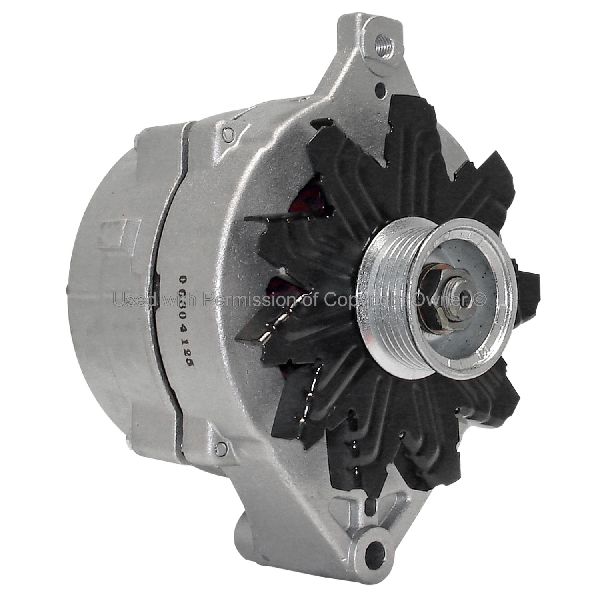
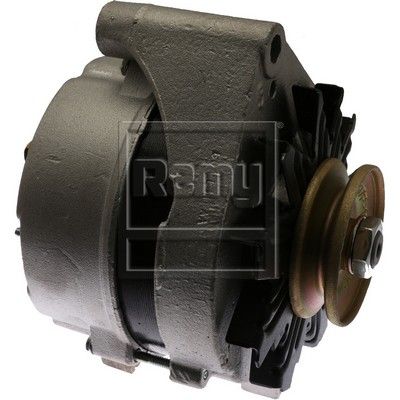
This is a direct bolt-in for your original alternator. It maintains the factory setup. Most available units are remanufactured.
- Pros: Original appearance, simple swap with no wiring changes.
- Cons: Relies on old technology, still dependent on the external regulator, and can have poor output at idle.
2. Internally Regulated Upgrade (Ford 3G Style)
Many Ranchero owners choose to upgrade to a more modern alternator, like the Ford 3G series, which has a built-in regulator. This is a popular and reliable swap.
- Pros: Much better reliability, significantly higher output at idle (no more dim lights), and simpler wiring long-term.
- Cons: Requires minor wiring changes to bypass the old external regulator.
3. One-Wire Performance Alternator
Often found in chrome finishes and high-amperage ratings, these are popular for custom builds. As the name implies, they require only a single large-gauge wire connected to the battery.
- Pros: Cleanest look and simplest wiring.
- Cons: Some models can have less accurate voltage sensing compared to 3-wire setups, which can affect battery charging over time.
A Note on Aftermarket Brands
The quality of remanufactured parts can vary. Brands like Remy and BBB Industries are major suppliers for auto parts stores and offer both new and remanufactured units with mixed but generally acceptable reviews. WAI Global typically offers 100% new units, which can be a plus. For upgrades, Proform specializes in higher-output and one-wire alternators, often with a chrome finish, that are popular for performance applications. When buying any remanufactured part, it's a good practice to have it tested at the parts store before you take it home.
Cost of Replacing a Ranchero Alternator
| Part Type | Estimated Cost |
|---|---|
| New Aftermarket Alternator | $45 - $281 |
| Remanufactured Alternator | $50 - $150 |
| External Voltage Regulator | $15 - $40 |
| Shop Labor for Installation | $100 - $200 |
Costs are estimates and may vary based on location, brand, and the specific product.
Frequently Asked Questions
Can I replace the alternator myself?
Yes, this is a very DIY-friendly job on a 1972-1979 Ranchero. It requires basic hand tools and about an hour of your time. The process involves disconnecting the battery, loosening the drive belt, removing a few bolts and wires, and swapping the unit.
Should I upgrade to an internally regulated alternator?
For most owners who drive their Ranchero regularly, upgrading is a great idea. It eliminates the external regulator as a failure point and provides more stable power, especially at idle. This helps with modern accessories and prevents dimming headlights.
What amperage do I need?
For a stock vehicle, a standard 60-70 amp alternator is sufficient. If you have added high-power accessories like a large stereo system, electric fans, or extra lighting, you should consider a high-output alternator of 100 amps or more to handle the extra electrical load.
My new alternator is installed, but it's still not charging. What's wrong?
First, re-check all your connections, especially the ground wire. On these vehicles, the problem is often the external voltage regulator or the wiring between it and the alternator. A bad fusible link wire between the alternator and the starter solenoid can also be the culprit. Ensure the belt is tight enough and not slipping.
Technical Specifications
Vehicle uses a Ford 1G style alternator with an external voltage regulator. Upgrades to internally regulated 3G or one-wire alternators are common.
We Have This Part in Stock

The information in this article is provided for general reference and educational purposes only. Vehicle specifications, procedures, and part compatibility can vary by production date, trim level, and region. Always consult your vehicle's factory service manual and verify part numbers before purchasing or performing repairs. Safety-critical components such as airbags, seat belts, and braking systems should be installed by a qualified professional.
- 🛍️ Shop This Part
- Is Your Ranchero's Alternator Failing?
- Common Failure Symptoms:
- The External Voltage Regulator
- Choosing the Right Aftermarket Alternator
- 1. Stock-Style Replacement (Externally Regulated)
- 2. Internally Regulated Upgrade (Ford 3G Style)
- 3. One-Wire Performance Alternator
- A Note on Aftermarket Brands
- Cost of Replacing a Ranchero Alternator
- Frequently Asked Questions
- 🎟️ Get 5% Off