

Steering Tie Rod End Guide for the 1972-1979 Ford Thunderbird
Eliminate steering wander and restore handling precision in your classic Thunderbird by choosing the right replacement tie rod ends.
- A wheel alignment is mandatory after replacing any tie rod end to prevent unsafe handling and rapid tire wear.
- Symptoms of failure include loose steering, clunking noises, steering wheel vibration, and uneven tire wear.
- For best results, choose premium brands like Moog or Delphi; they offer durability that justifies the cost.
- While replacing parts, inspect related components like the idler arm, center link, and steering gear for wear.
Symptoms of a Failing Tie Rod End
A worn tie rod end is more than just an annoyance; it's a serious safety issue. When a tie rod end fails completely, you can lose steering control of a wheel. Before that happens, your Thunderbird will give you several warning signs.
- Loose or Sloppy Steering: You may notice excessive play in the steering wheel, feeling like the car is slow to respond to your inputs. This can make the car feel like it's wandering on the road, requiring constant correction.
- Vibrating Steering Wheel: A worn joint can cause a shimmy or vibration that you feel through the steering wheel. This often gets worse as you accelerate or go around turns.
- Clunking or Popping Noises: A common symptom is a clunking or popping sound from the front end, especially when turning at low speeds or driving over bumps. This is the sound of the loose joint moving around in its socket.
- Uneven Tire Wear: Bad tie rod ends throw off the wheel alignment, causing the inside or outside edge of your front tires to wear down much faster than the rest of the tread.
Choosing the Right Aftermarket Tie Rod End
For a vehicle from the 1970s, original equipment (OEM) parts are generally no longer available. The aftermarket offers a wide range of options that can be grouped into quality tiers. Your choice depends on your budget and how you use your Thunderbird.
Aftermarket Brand Tiers
| Tier | Brands | Description & Quality Assessment |
|---|---|---|
| Premium | Moog, Delphi | These brands are known for meeting or exceeding OEM quality. Moog is famous for its durable "Problem Solver" designs that are often greaseable for longer life. Delphi is a major OEM supplier, and their aftermarket parts are highly regarded for quality and fit. Choose this tier for the best durability and performance. |
| Mid-Grade | Mevotech (Supreme/TTX lines) | Mevotech offers a good balance of quality and value, especially their enhanced "Supreme" or "TTX" product lines which are built for durability. These are a solid choice for daily drivers and enthusiasts who want a reliable part without the premium price tag. |
| Economy | Dorman, QuickSteer, Standard Mevotech | These brands provide a budget-friendly solution. Quality can be inconsistent, with some parts lasting while others may wear prematurely. Dorman offers some upgraded designs, but their standard parts are generally considered entry-level. This tier is best for vehicles that are driven infrequently or when budget is the primary concern. |
What to Expect for Cost
The cost to replace tie rod ends involves the parts themselves, shop labor, and a mandatory wheel alignment.
| Item | Estimated Cost |
|---|---|
| New Aftermarket Tie Rod End (per side) | $19.80 - $64.64 |
| Shop Labor (per side) | $90 - $150 |
| Front-End Wheel Alignment | $80 - $120 |
Pro Tip: Since a wheel alignment is required after any tie rod replacement, it is most cost-effective to replace both the inner and outer tie rod ends, or at least both outer ends, at the same time.
Frequently Asked Questions (FAQ)
Do I absolutely need a wheel alignment after replacing a tie rod end?
Yes, 100%. Replacing a tie rod end, no matter how carefully you measure, will change your vehicle's toe alignment. Skipping the alignment will cause poor handling and rapid, uneven tire wear, costing you much more in the long run.
Should I replace inner and outer tie rods at the same time?
It is highly recommended. If an outer tie rod end has failed due to age or mileage, the inner tie rod is likely worn as well. Replacing them together saves you money on labor and ensures the entire steering linkage is solid.
Are there any recalls for the 1972-1979 Thunderbird steering?
There are no specific recalls for the steering tie rod ends on these models. However, NHTSA did issue recalls for the steering gear box sector shaft on some 1972 and 1979 models, which could cause a loss of steering. It's wise to have all steering components, including the gear box, idler arm, and center link, inspected during the repair.
Can I replace just one side if only one is bad?
Yes, you can. However, tie rod ends wear at similar rates. If the driver's side has failed, the passenger's side is likely not far behind. Replacing them in pairs is the most efficient approach.
Technical Specifications
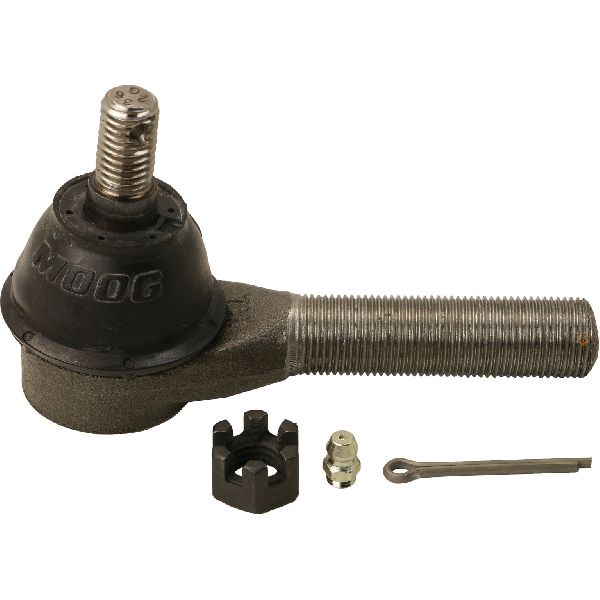
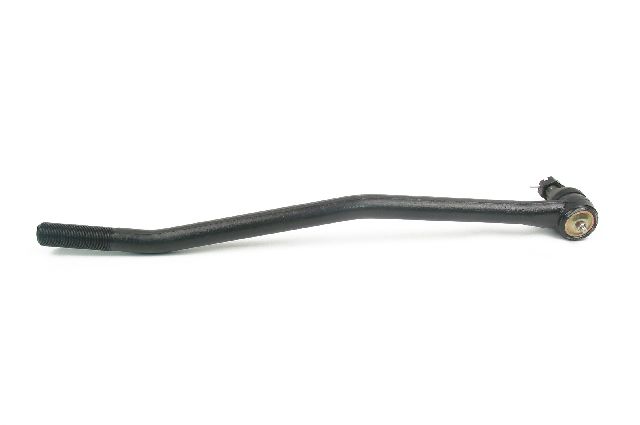
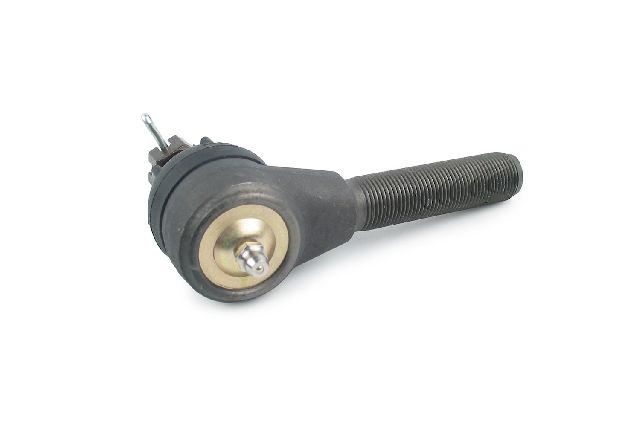
The 1972-1979 Ford Thunderbird uses a conventional recirculating ball steering system with inner and outer tie rod ends, a center link, and an idler arm. Both inner and outer tie rod ends are available for replacement.
We Have This Part in Stock
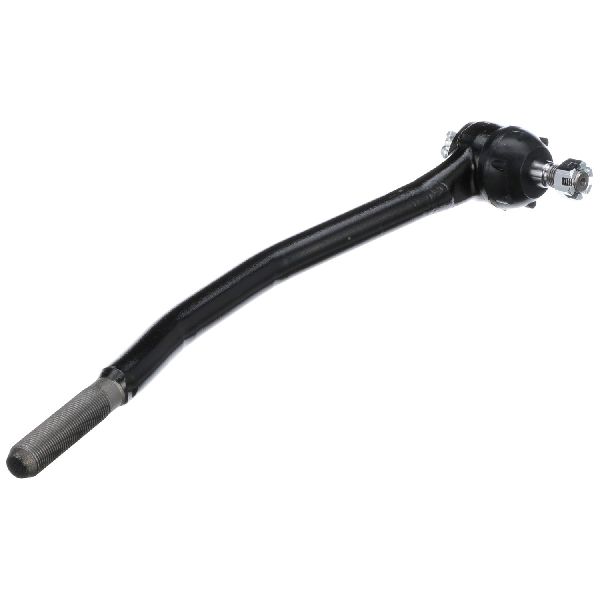
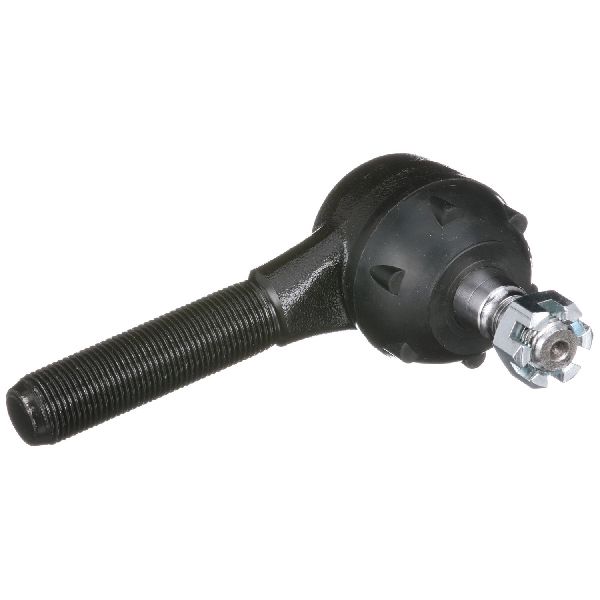

The information in this article is provided for general reference and educational purposes only. Vehicle specifications, procedures, and part compatibility can vary by production date, trim level, and region. Always consult your vehicle's factory service manual and verify part numbers before purchasing or performing repairs. Safety-critical components such as airbags, seat belts, and braking systems should be installed by a qualified professional.