

Choosing the Right Spark Plugs for Your 1972-1979 Renault R17
Keep your classic Renault's engine firing on all cylinders with the correct new spark plugs.
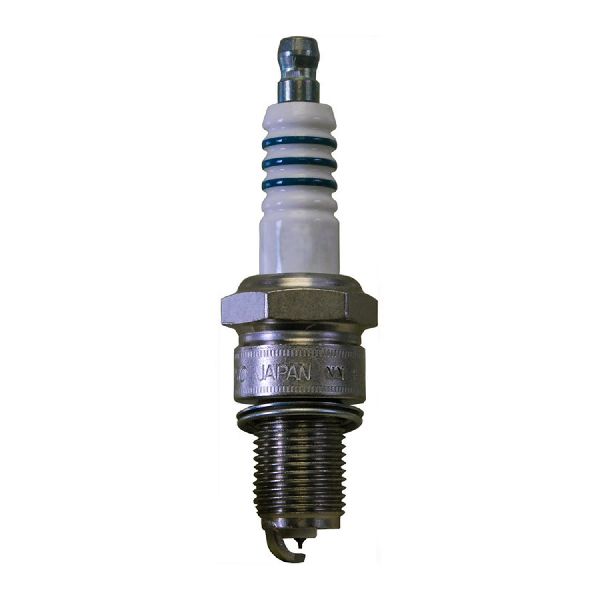
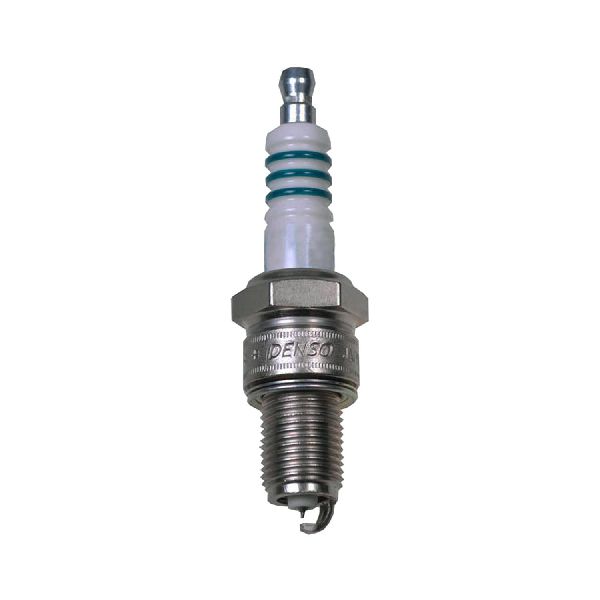
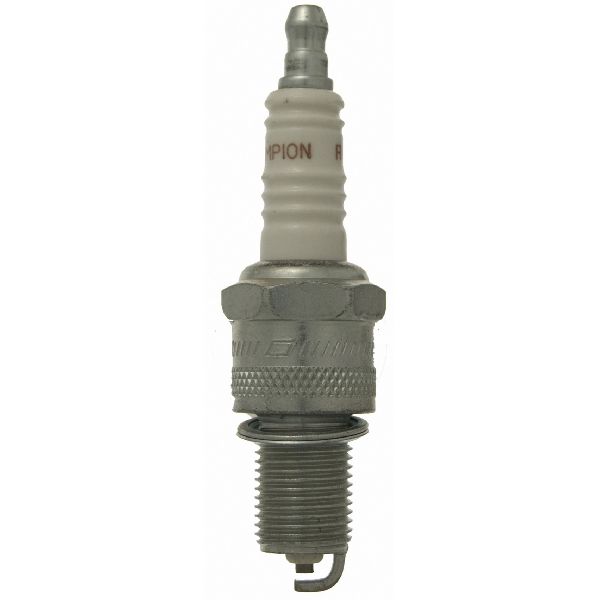
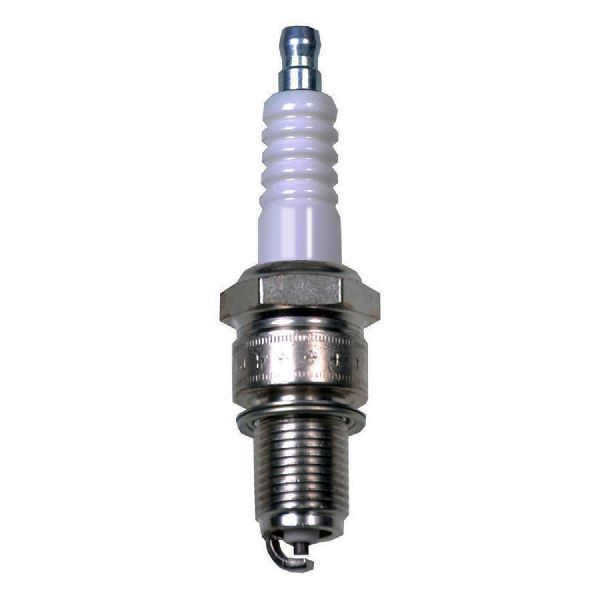
- Use a standard copper spark plug from a reputable brand like NGK, Champion, or Denso for best results.
- Verify the correct thread length for your specific engine (e.g., 1.6L) to prevent damage.
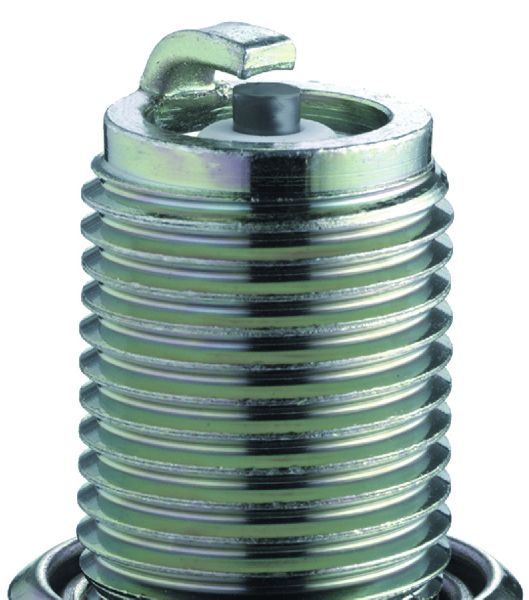
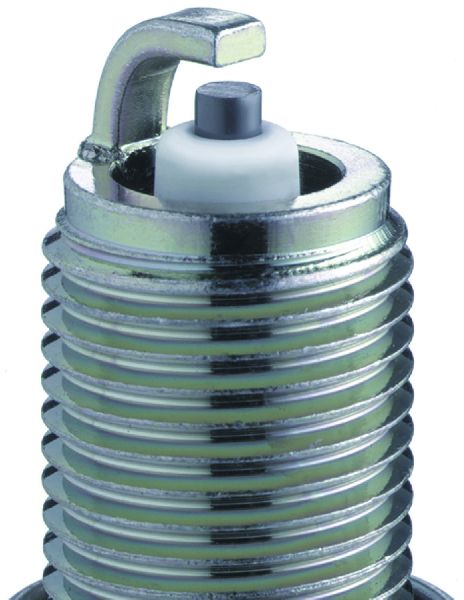
- Always check and set the spark plug gap to approximately 0.6mm-0.7mm before installation.
- Due to the vehicle's age, no specific recalls or TSBs from NHTSA are relevant today.
Signs of Failing Spark Plugs in Your R17
An engine from the 1970s will let you know when its spark plugs are worn. Because they are a regular maintenance item, you should expect to replace them periodically. If you notice any of these symptoms, your spark plugs are a likely culprit.
- Rough Idling: The engine shakes or vibrates more than usual when the car is stationary.
- Hard Starting: The engine cranks but takes a long time to start, or fails to start completely.
- Engine Misfires: You may feel a hesitation or stumble from the engine during acceleration.
- Poor Fuel Economy: Worn plugs can't burn fuel efficiently, leading to more trips to the gas pump.
- Reduced Power: The car feels sluggish and doesn't accelerate as it should.
A visual inspection can also tell you a lot. If you pull a plug and it's black with soot (carbon fouled) or wet with oil, it indicates other potential engine issues that need to be addressed. A plug with a grayish or brownish deposit is a sign of a healthy engine.
Choosing the Right Aftermarket Spark Plug
For a vintage vehicle like the Renault R17, you don't need expensive, fancy spark plugs. The original ignition system was designed for simple, reliable copper plugs. While modern materials like iridium and platinum are available, a standard copper plug from a reputable brand is often the best and most cost-effective choice.
| Brand Tier | Brands | Our Assessment |
|---|---|---|
| Top Tier / Enthusiast Recommended | NGK, Denso | NGK and Denso are consistently praised by mechanics and enthusiasts for their high quality, reliability, and consistent performance in imported vehicles. Many owners of classic cars prefer these brands for peace of mind. |
| OEM-Style / Reliable Choice | Champion, Bosch | Champion was a very common original equipment (OE) supplier for cars of this era, and their standard copper plugs are a perfectly suitable replacement. Bosch is another well-regarded German brand with a long history in ignition systems, though some users have reported mixed experiences in non-German cars. |
| Value Option | Autolite | Autolite offers dependable performance at a budget-friendly price. Their standard copper plugs are a good choice if you're looking for a functional, no-frills replacement. |
Check Your Engine and Thread Length!
The Renault R17 was available with different engines over its production run, including the 1.6L (1565cc and 1647cc). Different engines may require spark plugs with different thread lengths (reach) or heat ranges. Using a plug that is too long can cause catastrophic engine damage. Always verify the correct part number for your specific engine before ordering. A forum post for a similar vintage Renault highlighted a case where a previous owner had installed plugs that were too long.
Known Issues, Recalls, or TSBs
For a vehicle of this age, there are no active recalls or Technical Service Bulletins (TSBs) on file with the NHTSA related to spark plugs. Any such notices would have been issued decades ago. The most common issue reported by owners in forums is oil fouling on the plugs, which can be caused by worn piston rings or issues with the spark plug tubes in the cylinder head. Another common mistake is using plugs with the incorrect thread reach, which can cause installation problems or engine damage.
Pro Tip: Always Check the Gap
Even if spark plugs come "pre-gapped," you should always double-check the gap with a feeler gauge before installation. The correct gap for a Renault R17 is typically around 0.6mm to 0.7mm (0.024" to 0.028"). An incorrect gap can lead to a weak spark, misfires, and poor performance.
Frequently Asked Questions
How often should I change the spark plugs on my Renault R17?
For a classic car using standard copper spark plugs, a good interval is every 10,000 to 15,000 miles or every two years. Given the age of the vehicle, regular inspection is more important than mileage alone.
Should I use modern Iridium or Platinum plugs?
While you can, it's generally not necessary or cost-effective. The ignition system in the R17 was designed for standard copper plugs. Top-tier copper plugs from brands like NGK or Champion will provide excellent performance.
Do I need to put anti-seize on the new spark plug threads?
Most modern spark plugs, especially those from NGK, have a special plating that acts as a release agent and does not require anti-seize. Applying anti-seize can alter the torque reading and lead to over-tightening, which can damage the threads in the aluminum cylinder head. It's best to install them dry.
What happens if I use the wrong spark plug?
Using the wrong spark plug can cause a range of issues. A plug with the wrong heat range can lead to fouling or overheating. A plug with the wrong thread reach can either sit too high in the chamber (poor performance) or extend too far and hit the piston (severe engine damage).
Technical Specifications
OEM Part Numbers: 7700500180
Thread Reach: 19mm (verify for your engine) Hex Size: Varies, often 21mm Gap: 0.6mm - 0.7mm (0.024" - 0.028")
We Have This Part in Stock

The information in this article is provided for general reference and educational purposes only. Vehicle specifications, procedures, and part compatibility can vary by production date, trim level, and region. Always consult your vehicle's factory service manual and verify part numbers before purchasing or performing repairs. Safety-critical components such as airbags, seat belts, and braking systems should be installed by a qualified professional.