

Brake Master Cylinder Guide for the 1972-1980 Cadillac DeVille
Keep your classic DeVille stopping safely and effectively by understanding its most critical brake component.
- A spongy, sinking brake pedal is the most critical symptom of a failing master cylinder.
- For early '70s models, verify the new part has two equal-sized reservoirs to match the original design and avoid issues.
- ACDelco is the most recommended brand for quality and fit on a classic GM vehicle like the DeVille.
- You must bench bleed the new master cylinder before installing it to ensure a firm pedal and safe operation.
Is Your DeVille's Brake Master Cylinder Failing?
A failing master cylinder is a serious safety issue. On a large classic car like a 1972-1980 Cadillac DeVille, you cannot afford to ignore the warning signs. Complete brake failure is possible if the problem is not addressed immediately.
Key Failure Symptoms
- Spongy or Sinking Brake Pedal: This is the most common symptom. The pedal feels soft, mushy, or slowly sinks to the floor when you hold it down. This indicates internal seals have worn out.
- Brake Warning Light: A pressure difference between the front and rear brake circuits will trigger the warning light on your dashboard. This can happen if one of the two circuits in the master cylinder fails.
- Contaminated Brake Fluid: If the brake fluid in the reservoir looks dark brown or black, it's a sign that the rubber seals inside the master cylinder are breaking down and contaminating the fluid.
- Visible Fluid Leaks: You might see brake fluid leaking from the rear of the master cylinder, where it mounts to the brake booster.
A Critical Ordering Mistake for Early '70s DeVilles
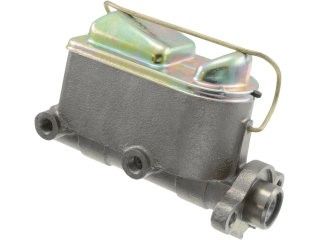
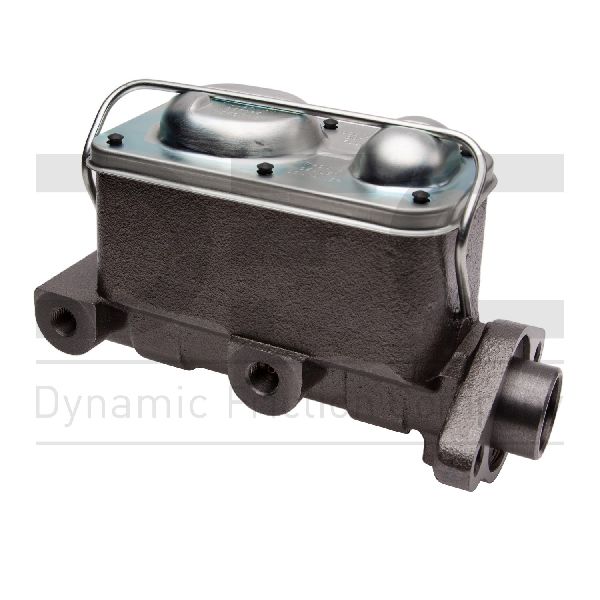
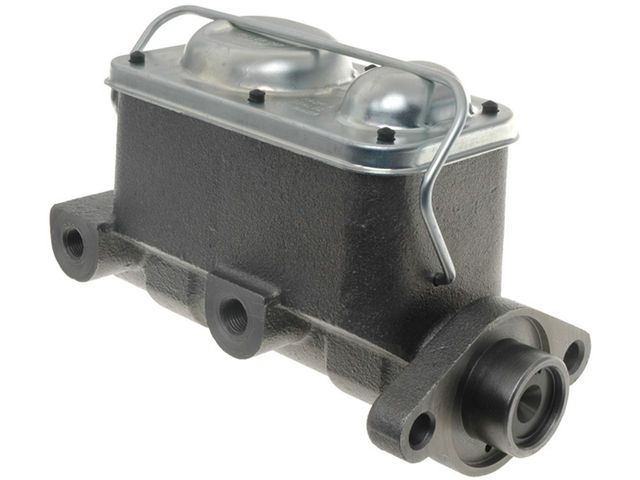
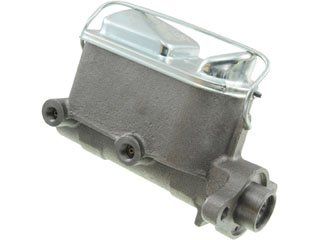
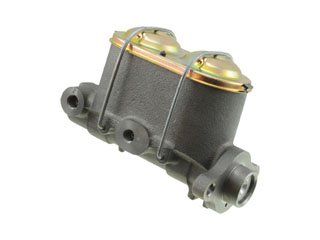
Many online parts catalogs and databases list an incorrect master cylinder for early 1970s Cadillacs. The original factory master cylinder has two fluid reservoirs (or chambers) that are the same size. Many aftermarket replacements are incorrectly listed with one large and one small reservoir. Installing this incorrect part can lead to a spongy pedal and cause the brake warning light to stay on because the system's proportioning valve is calibrated for the original, equal-chamber design. Always visually compare the new part to your old one before installation, paying close attention to the reservoir sizes.
Choosing the Right Aftermarket Master Cylinder
For a classic vehicle like the 1972-1980 DeVille, the distinction between OEM and aftermarket can be blurry. ACDelco was the original equipment supplier for General Motors, so their aftermarket parts are often the closest you can get to the original design and quality.
| Brand Tier | Brands | Quality & Cost Assessment |
|---|---|---|
| Premium Aftermarket | ACDelco | Often considered the best option for GM vehicles. Their 'Professional' line parts are regarded as high-quality and reliable, closely matching original specifications. Expect to pay a bit more for the quality and correct fitment. |
| Standard Aftermarket | Dorman, Dynamic Friction | These brands offer a cost-effective solution. Dorman has a mixed reputation; some parts are reliable while others are seen as lower quality than OEM. They are a viable budget-friendly choice, but careful inspection before installation is recommended. Dynamic Friction falls into a similar category. |
Always Bench Bleed Your New Master Cylinder
Before installing the new master cylinder in your DeVille, you MUST bleed the air out of it on a workbench. This process, called "bench bleeding," involves filling the reservoir with fluid and using a tool to push the piston in and out until no more air bubbles emerge from the outlet ports. Skipping this step will make it nearly impossible to get a firm brake pedal once the part is on the car.
Frequently Asked Questions (FAQ)
Do I need a special master cylinder for front disc brakes?
Yes, master cylinders are designed differently for disc and drum brakes. All 1972-1980 Cadillac DeVilles came standard with front disc brakes, so you must use a master cylinder designed for a disc/drum setup. The bore size and residual pressure valves are different. Using the wrong type will result in poor brake performance.
What kind of brake fluid should I use in my 1972-1980 DeVille?
For these model years, standard DOT 3 brake fluid is the correct type to use. Always use fresh fluid from a sealed container, as brake fluid absorbs moisture over time, which can cause corrosion and reduce braking effectiveness.
Is it difficult to replace the master cylinder myself?
For a person with moderate mechanical skill, it is a feasible DIY job. The master cylinder is located on the driver's side firewall and is typically held on by two nuts. The main challenges are properly bench bleeding the new unit and bleeding the entire brake system at all four wheels after installation to remove all air.
Were there any recalls on the master cylinder for these years?
Searches of the NHTSA database and other historical records did not show any specific, widespread recalls or Technical Service Bulletins (TSBs) for the brake master cylinder on the 1972-1980 Cadillac DeVille. Any issues would have been addressed on a case-by-case basis by dealers at the time.
Technical Specifications
Varies by year and specific brake option (e.g., with or without Hydro-Boost). Key factors are bore size, outlet port configuration, and reservoir design (equal vs. unequal chambers). Early models ('72-'76) typically used master cylinders with equal-sized reservoirs for front and rear brakes.
We Have This Part in Stock

The information in this article is provided for general reference and educational purposes only. Vehicle specifications, procedures, and part compatibility can vary by production date, trim level, and region. Always consult your vehicle's factory service manual and verify part numbers before purchasing or performing repairs. Safety-critical components such as airbags, seat belts, and braking systems should be installed by a qualified professional.