

A Practical Guide to Universal Joints for the 1972-1980 Oldsmobile Delta 88
That clunking sound or new vibration from your classic Delta 88 could be a worn-out universal joint.
- Listen for clunking when shifting into gear or squeaking while driving, as these are the earliest signs of U-joint failure.
- For maximum durability and strength, choose a non-greasable (sealed) U-joint from a premium brand like Dana Spicer.
- It is strongly recommended to replace both U-joints on the driveshaft at the same time.
- If you feel a heavy vibration, stop driving. A complete failure can cause the driveshaft to fall off, leading to a dangerous situation and costly repairs.
Is Your Delta 88's U-Joint Failing?
U-joints are tough, but they do wear out from stress and a lack of lubrication. When they start to fail, your car will give you clear warning signs. Ignoring them can lead to the driveshaft disconnecting while you drive, which is dangerous and can cause expensive damage to the underside of your car.
Listen and feel for these common symptoms:
- Clunking Noise: The most common sign is a loud 'clunk' or 'bang' when you shift from Park into Drive or Reverse. You might also hear it when you get on or off the gas pedal.
- Vibration: A vibration that you can feel through the floor of the car, which gets worse at highway speeds. This is often confused with unbalanced tires, but if a tire balance doesn't fix it, the U-joints are a likely suspect.
- Squeaking Sound: A rhythmic squeaking that gets faster as you drive. This often means the grease inside the U-joint has dried up, and the internal needle bearings are failing.
Can I Drive with a Bad U-Joint?
It is not recommended. A squeaking or slightly clunking U-joint might get you home, but it should be replaced immediately. A U-joint with heavy vibration or banging is at risk of failing completely, which can cause the driveshaft to fall off while driving.
Choosing the Right Aftermarket U-Joint
For a classic car like the 1972-1980 Delta 88, finding new original equipment (OEM) parts is nearly impossible. The good news is that high-quality aftermarket brands are readily available and are often as good or even better than the original parts.
Here’s a breakdown of common brands, from good to best:
| Brand Tier | Brands | Quality & Cost Assessment |
|---|---|---|
| Good (Economy) | GMB | GMB offers a reliable and affordable replacement for a daily driver. It meets standard requirements and is a good choice if budget is the main concern. |
| Better (Standard/HD) | Moog, SKF | These brands are well-respected and offer excellent quality. Moog is known for its 'problem-solver' designs, while SKF's 'Brute Force' line is also a strong choice. Both are a significant step up from economy parts. |
| Best (Premium) | Dana Spicer | Dana/Spicer was an original equipment supplier to GM and is widely considered the top choice for strength and durability. Many experts and long-time mechanics will only use Spicer joints, especially the non-greasable versions for maximum strength. |
Greasable vs. Non-Greasable U-Joints
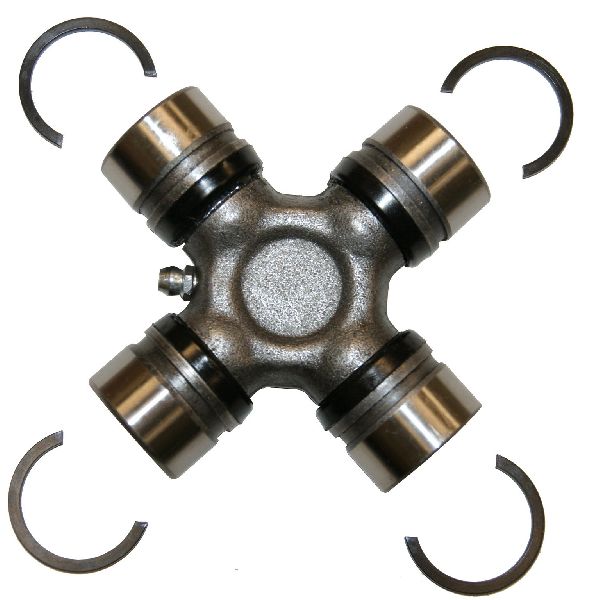
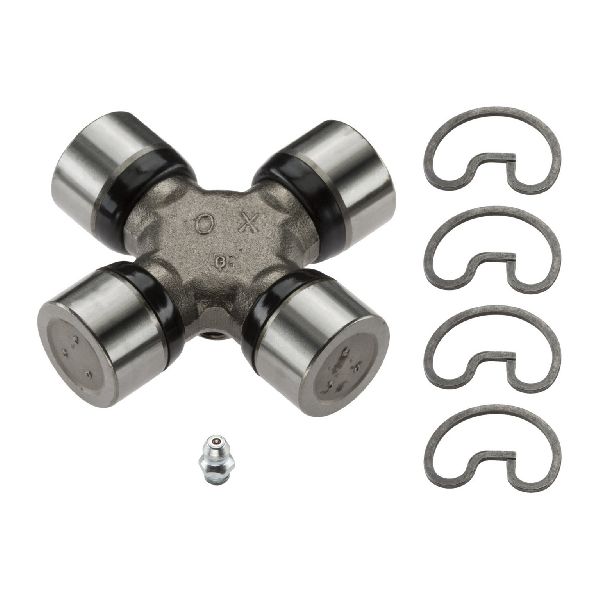
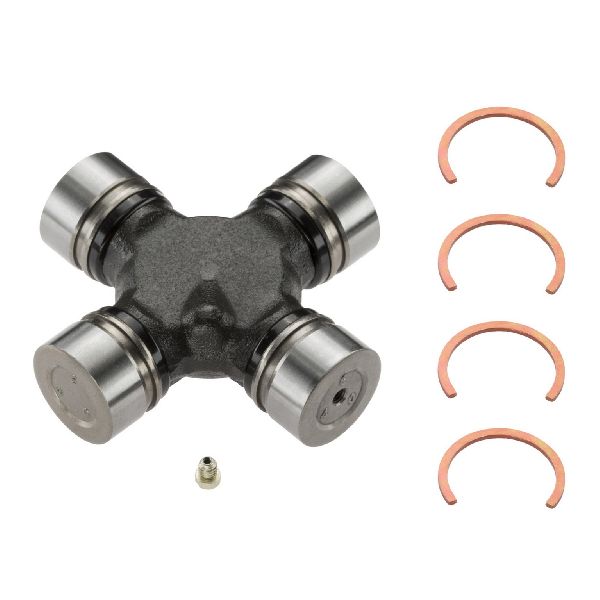
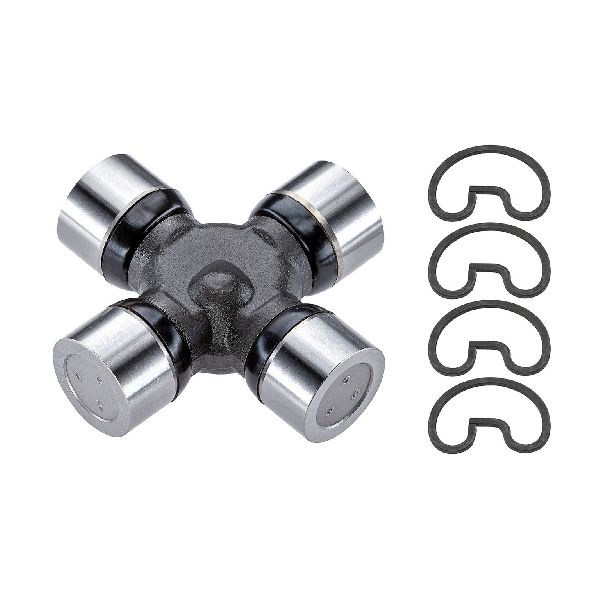
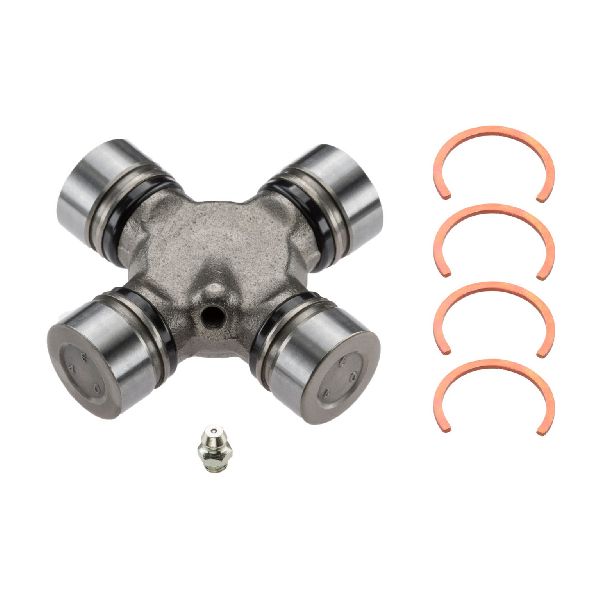
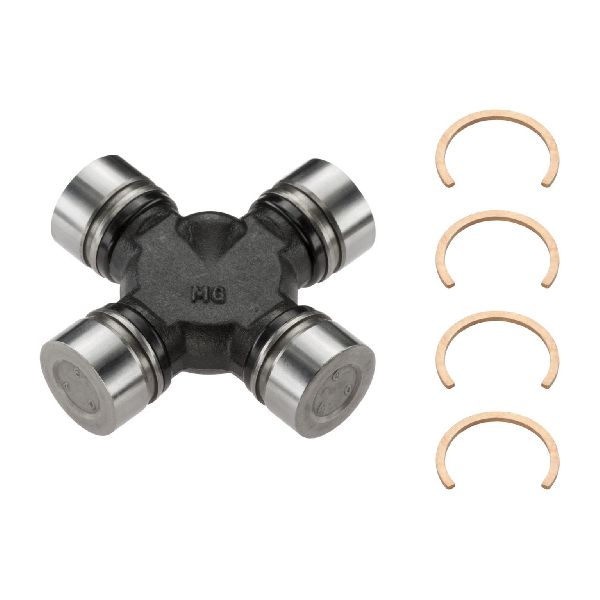
You will see two types of U-joints for sale: greasable (with a zerk fitting) and non-greasable (sealed).
Non-Greasable (Sealed): These are generally considered stronger because the main body isn't drilled out for a grease channel. They are filled with high-quality grease at the factory and sealed for life. For most owners, this is the simplest and strongest option.
Greasable: These allow you to add fresh grease, which can flush out contaminants and potentially extend the part's life. However, they MUST be greased regularly. Failure to do so will cause them to fail quickly. The grease fitting can also be a weak point and may be hard to access once installed.
Frequently Asked Questions
How many U-joints does my 1972-1980 Delta 88 have?
Your car has two universal joints on the main driveshaft. It is highly recommended to replace both at the same time, even if only one is showing symptoms of failure.
Is replacing a U-joint a DIY job?
Yes, if you have the right tools and are comfortable working under your car. You will need jack stands, a good socket set, and either a hydraulic press, a strong bench vise, or a heavy hammer and drifts to press the old joints out and the new ones in. If you are not equipped for this, a repair shop can do the job.
Are there any recalls for my Delta 88's U-joints?
No, searches of the National Highway Traffic Safety Administration (NHTSA) database show no recalls or technical service bulletins (TSBs) specifically for the universal joints on the 1972-1980 Oldsmobile Delta 88.
Do I need to mark the driveshaft before removing it?
Yes. It is very important to mark the driveshaft's position relative to the rear axle yoke before you unbolt it. This ensures you can reinstall it in the same orientation, which is critical for maintaining the driveshaft's balance and preventing vibrations.
Technical Specifications
The 1972-1980 Oldsmobile Delta 88 uses a rear-wheel-drive configuration with a one-piece driveshaft containing two universal joints. The specific U-joint size is typically a 1310 series or GM 3R series, but it is critical to measure or verify the exact size needed for your specific vehicle before ordering, as variations can exist.
We Have This Part in Stock

The information in this article is provided for general reference and educational purposes only. Vehicle specifications, procedures, and part compatibility can vary by production date, trim level, and region. Always consult your vehicle's factory service manual and verify part numbers before purchasing or performing repairs. Safety-critical components such as airbags, seat belts, and braking systems should be installed by a qualified professional.