

Ford Courier Radiator Coolant Hose Guide: 1972-1982
Keep your classic Ford Courier from overheating with the right replacement radiator hoses.
- Radiator hoses on the 1972-1982 Courier fail from age; inspect them for cracks, swelling, or leaks.
- Aftermarket hoses are the only option; Gates and Continental are premium choices known for good fit and quality.
- Always buy the correct hose for your specific engine (1.8L, 2.0L, or 2.3L) and replace hoses in pairs with new clamps.
- This is a simple, inexpensive DIY job that can prevent catastrophic engine overheating.
Signs of a Failing Radiator Hose
On a truck as old as the 1972-1982 Courier, radiator hoses fail from age. Rubber breaks down over decades of heat cycles. Don't wait for a complete failure that leaves you stranded. Inspect your hoses regularly for these warning signs:
- Coolant Leaks: Puddles of green, yellow, or pink fluid under the front of your truck are a dead giveaway. You might also notice a sweet smell after driving.
- Visible Damage: Look for cracks, splits, or fraying on the hose surface. Pay close attention to the ends near the clamps.
- Spongy or Swollen Spots: Squeeze the hoses when the engine is cold. If you feel soft, mushy, or bulging areas, the hose is weak from the inside and could burst under pressure. A healthy hose should be firm but flexible.
- Collapsed Hose: A hose that looks flattened or sucked inward can be a sign of a blockage or a faulty radiator cap creating a vacuum.
- Rising Temperature Gauge: If your truck's temperature gauge starts creeping into the red, a failing hose could be the cause.
Critical Warning: Engine Overheating
If you see steam coming from under the hood, pull over immediately and shut off the engine. Do not attempt to open the radiator cap when the engine is hot, as pressurized steam and coolant can cause severe burns. Let the truck cool down completely before inspecting.
Choosing the Right Aftermarket Hose
For a vintage truck like the Courier, new original Ford (OEM) parts are no longer available. The aftermarket is your only option, but the quality is excellent. The key is choosing the right hose for your specific truck, as Ford used different engines (1.8L, 2.0L, 2.3L) throughout the 1972-1982 run. Always verify the part fits your year and engine size.
Here’s a breakdown of the common brands available:
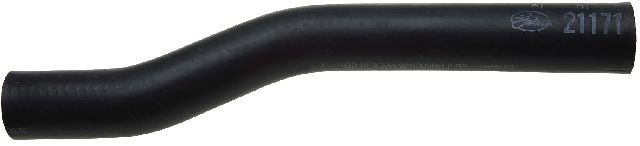
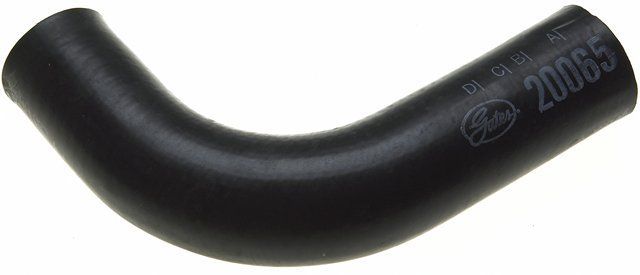
- Gates: Widely considered a top-tier aftermarket brand. Gates hoses are known for excellent fitment and durable materials that resist heat and chemical breakdown. Many mechanics prefer Gates because they often fit as well as the original and are built to last.
- Continental (ContiTech): Another high-quality German brand that makes reliable replacement parts. Their hoses are a solid choice and are considered equivalent to other premium brands.
- Dayco: A well-known brand that offers a more budget-friendly option. While generally reliable, some users report that the fit can occasionally be less precise than Gates, sometimes requiring extra effort during installation.
Pro Tip: Replace in Pairs with New Clamps
If one radiator hose has failed due to age, the other is not far behind. It is best practice to replace both the upper and lower hoses at the same time. Always use new hose clamps to ensure a tight, leak-free seal.
Replacement Cost
Replacing radiator hoses is a relatively inexpensive job. The main cost is the parts and coolant.
| Part or Service | Estimated Cost |
|---|---|
| Aftermarket Radiator Hose (Single) | $22 - $53 |
| Shop Labor | $100 - $180 |
| Total Estimated Cost (DIY) | $50 - $120 (for two hoses and coolant) |
| Total Estimated Cost (At a Shop) | $150 - $300 |
Frequently Asked Questions (FAQ)
Do I need a molded or flexible hose?
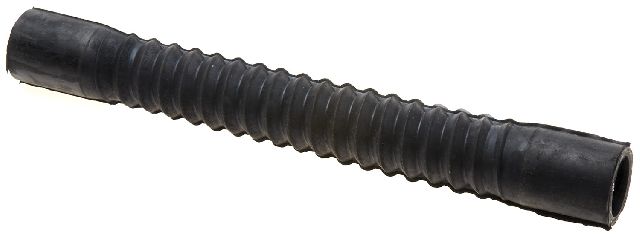
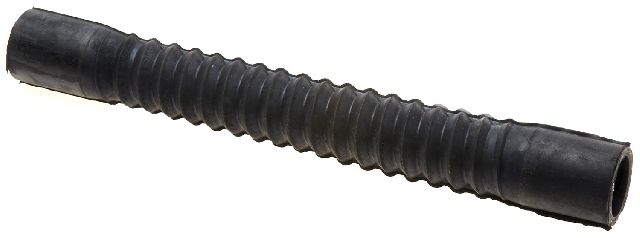
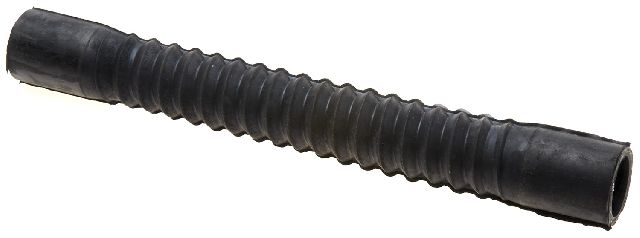
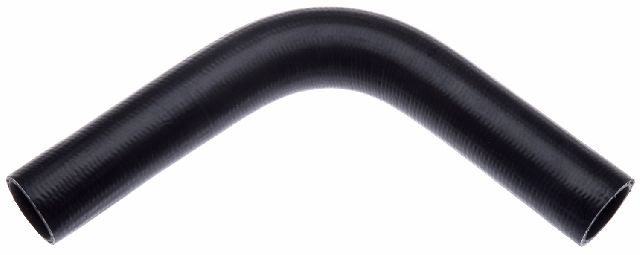
Molded hoses are pre-shaped for a perfect fit on your specific Courier engine. Flexible or 'cut-to-fit' hoses can also work but may require trimming and careful routing to avoid kinks. For a simple, reliable installation, a molded hose is always the better choice.
Can I replace the radiator hoses myself?
Yes, this is a great DIY job for a beginner. The engine bay on a 1972-1982 Courier is simple to work in. You'll need basic hand tools, a drain pan for the old coolant, and new coolant to refill the system.
Were there any recalls on Ford Courier radiator hoses?
No, there have been no specific recalls issued by the NHTSA for radiator coolant hoses on the 1972-1982 Ford Courier. Any failures are due to the age and wear of the rubber components.
What kind of coolant should I use in my Ford Courier?
For this era of vehicle, a conventional 'green' ethylene glycol-based coolant is typically appropriate. Always mix it with distilled water according to the instructions on the bottle, usually a 50/50 ratio. Check your owner's manual if you have it, but a standard green coolant is a safe bet.
Technical Specifications
Hoses are specific to the upper or lower position and vary based on engine size (1.8L, 2.0L, 2.3L) and model year. Most are made from EPDM rubber to resist heat, ozone, and chemical degradation.
We Have This Part in Stock

The information in this article is provided for general reference and educational purposes only. Vehicle specifications, procedures, and part compatibility can vary by production date, trim level, and region. Always consult your vehicle's factory service manual and verify part numbers before purchasing or performing repairs. Safety-critical components such as airbags, seat belts, and braking systems should be installed by a qualified professional.