

Ford Courier 1972-1982 Front and Rear Shock Absorber Guide
Restore your classic Ford Courier's ride quality and handling with the right new shock absorbers.
- Worn shocks are a safety hazard; replacing them restores control, stability, and braking performance.
- For most owners, an OEM-quality gas shock like the KYB Excel-G or Monroe OESpectrum provides the best balance of performance and value.
- If you haul heavy loads or use your truck for work, upgrading to a heavy-duty shock from Rancho or Pro Comp is a worthwhile investment.
- Replacing shocks on a 1972-1982 Courier is a simple DIY job that requires basic hand tools.
Is Your Courier's Ride Bouncy or Unstable?
The shock absorbers on your 1972-1982 Ford Courier are simple but essential. As a wear-and-tear item, they degrade slowly over many miles. You might not notice the gradual loss of performance until they are completely worn out. Worn shocks don't just make the ride uncomfortable; they are a safety issue, increasing your stopping distance and reducing your control during emergency maneuvers.
Signs Your Courier's Shocks Are Failing
- Bouncy, Floating Ride: The truck continues to bounce up and down long after hitting a bump.
- Front-End "Nose-Dive": The front of the truck dips excessively when you apply the brakes.
- Rear-End "Squat": The rear of the truck drops significantly during acceleration.
- Body Roll or Sway: The truck feels unstable and leans heavily on turns or in crosswinds.
- Unusual Noises: A clunking or knocking sound from the suspension area when going over bumps can indicate worn shock mounts or internal failure.
- Uneven Tire Wear: Look for "cupping" or scalloped dips on your tires, which is a classic sign of a bouncing wheel from a bad shock.
- Visible Fluid Leaks: Oil running down the side of the shock body means the seals have failed and it needs immediate replacement.
Choosing the Right Aftermarket Shocks for Your Truck
Original Equipment (OEM) shocks for a vehicle of this age are long discontinued. The aftermarket, however, offers a wide range of options that meet or exceed the original specifications. For a classic truck like the Courier, aftermarket shocks are the only practical choice. They can be grouped into three main tiers based on performance and price.
Good: Economy Replacements
These are basic, twin-tube hydraulic shocks that get the job done. They are a great choice for a daily driver or work truck on a tight budget. They will restore the original ride and handling characteristics without extra features.
- FCS Struts: Often the most affordable option, FCS provides a functional replacement to restore a safe, controlled ride for everyday use.
- Monroe Monro-Matic PLUS: This is Monroe's entry-level shock, offering a cost-effective solution for restoring factory-like handling.
Better: OEM-Quality & Enhanced Control
This tier offers a significant step up in quality and technology, often using gas-pressurization for better performance and fade resistance. These are the best choice for most owners who want a long-lasting, high-quality ride that's as good as or better than new.
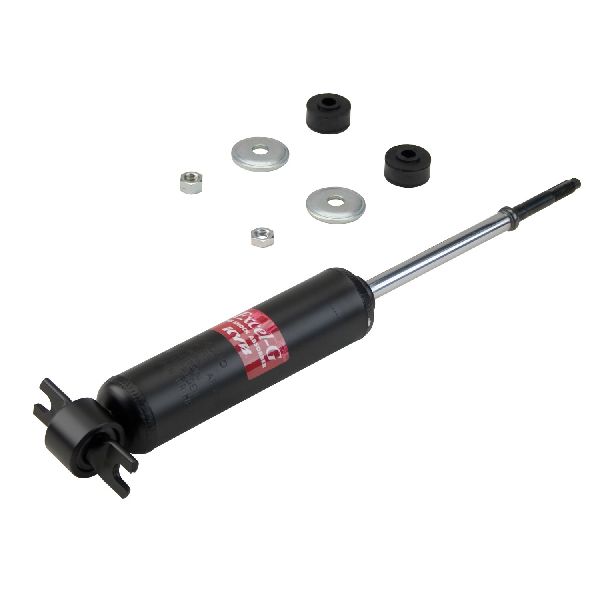
- KYB Excel-G: Widely regarded as the benchmark for OEM-quality replacement shocks. They are known for being slightly firmer than stock, which provides excellent control and a connected feel to the road. They are a very popular choice for restoring original performance.
- Monroe OESpectrum: These shocks are designed to provide a smooth, comfortable ride, often perceived as slightly softer than their KYB counterparts. They are an excellent choice if you prioritize comfort over a firm, sporty feel.
- Sachs: A well-respected German brand known for high-quality suspension components, often used as original equipment by European manufacturers. They are a premium option comparable to KYB for restoring a smooth, controlled ride.
Best: Heavy-Duty & Performance
If you use your Courier for hauling heavy loads, towing, or venturing off-road, you need a more robust shock. These heavy-duty shocks have larger bodies, stronger components, and are designed to handle tougher conditions.
- Rancho RS5000X: A very popular and well-known shock for trucks. It's a gas-pressurized shock designed to be a step-up for light trucks, providing extra control for hauling and mild off-road use.
- Pro Comp ES3000/ES9000: Pro Comp specializes in truck and off-road suspension. Their shocks are built for durability and improved performance under load, making them a solid choice for a working truck.
Pro Tip: Replace in Pairs
Always replace shocks in pairs—either both fronts or both rears. Replacing only one shock on an axle will create an imbalance in handling, which can be dangerous. For a vehicle of this age, replacing all four shocks at once is the best way to completely refresh your suspension and ensure a consistent, predictable ride.
Cost of New Aftermarket Shock Absorbers (1972-1982 Ford Courier)
| Quality Tier | Price Range (Per Shock) | Brands |
|---|---|---|
| Good (Economy) | $10 - $25 | FCS, Monroe Monro-Matic |
| Better (OEM-Quality) | $25 - $50 | KYB Excel-G, Monroe OESpectrum, Sachs |
| Best (Heavy-Duty) | $50 - $85+ | Rancho, Pro Comp |
Frequently Asked Questions
Is it difficult to replace the shocks on my Ford Courier?
No, it is generally considered an easy DIY job for someone with basic tools. The shocks are held on by two bolts, one at the top and one at the bottom. You'll need a jack, jack stands, and a basic socket set. Always ensure the vehicle is safely supported on jack stands before working underneath it.
Do I need a wheel alignment after replacing my shocks?
No. The Ford Courier uses a suspension design where the shock absorber is separate from the components that control alignment angles. Replacing only the shocks does not affect your wheel alignment.
Are there any recalls or technical bulletins for my Courier's suspension?
There are no active recalls or widespread Technical Service Bulletins (TSBs) from Ford related to the shock absorbers for the 1972-1982 model years. Any issues you experience are due to normal wear and tear over the life of the vehicle.
What's the difference between a gas shock and a hydraulic (oil) shock?
While the original shocks were likely simple hydraulic oil shocks, most modern replacements are "gas-charged". A gas-charged shock adds a small amount of pressurized nitrogen gas to the hydraulic fluid. This prevents the fluid from foaming under heavy use, which provides more consistent and responsive damping performance. For nearly all applications, a modern gas shock is an upgrade.
Technical Specifications
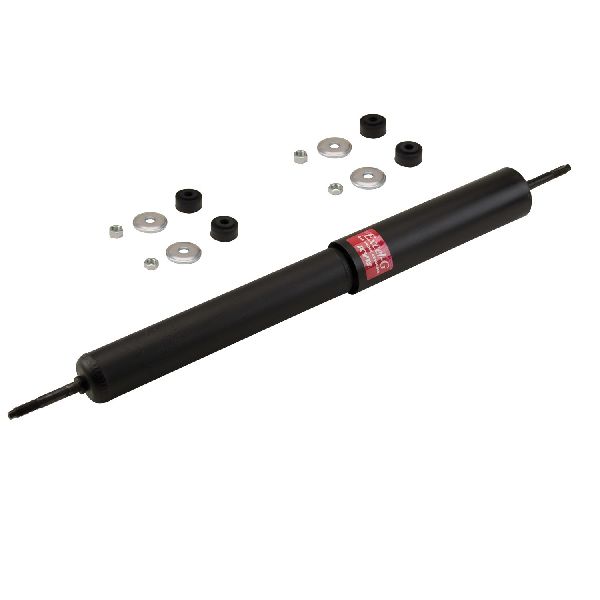
The 1972-1982 Ford Courier uses a conventional twin-tube shock absorber design with upper and lower loop/eyelet mounts. Aftermarket replacements are available in standard hydraulic and upgraded gas-pressurized versions.
We Have This Part in Stock


The information in this article is provided for general reference and educational purposes only. Vehicle specifications, procedures, and part compatibility can vary by production date, trim level, and region. Always consult your vehicle's factory service manual and verify part numbers before purchasing or performing repairs. Safety-critical components such as airbags, seat belts, and braking systems should be installed by a qualified professional.
- 🛍️ Shop This Part
- Is Your Courier's Ride Bouncy or Unstable?
- Signs Your Courier's Shocks Are Failing
- Choosing the Right Aftermarket Shocks for Your Truck
- Good: Economy Replacements
- Better: OEM-Quality & Enhanced Control
- Best: Heavy-Duty & Performance
- Pro Tip: Replace in Pairs
- Cost of New Aftermarket Shock Absorbers (1972-1982 Ford Courier)
- Frequently Asked Questions
- 🎟️ Get 5% Off