

Choosing the Right Starter Motor for Your 1972-1982 Oldsmobile Cutlass
Don't get left stranded—understand the common starter problems and upgrade options for your classic Cutlass.
- Heat soak is the most common starter-related problem for 1972-1982 Cutlass models; a high-torque mini-starter and/or a heat shield is the best fix.
- Symptoms of failure include clicking, slow cranking, grinding, or a no-crank condition.
- For modified cars with headers, a compact high-torque starter from brands like Powermaster, MSD, or Proform is highly recommended for clearance and performance.
- While a DIY replacement is feasible, the starter is heavy and access can be tight; always disconnect the battery first for safety.
Symptoms of a Failing Starter in Your Cutlass
A starter motor rarely fails without warning. If your Cutlass is having trouble turning over, listen and feel for these common signs before you get stuck.
- Clicking Sound: A single, loud click when you turn the key means the starter solenoid is trying to engage but the motor isn't turning. This can be a bad starter or a weak battery.
- No Sound, No Crank: If turning the key does nothing at all—no click, no crank—the problem could be the starter, but also check your battery connections, ignition switch, or neutral safety switch first.
- Slow, Labored Cranking: If the engine turns over very slowly, like the battery is dying, it could be a weak battery or a starter motor that's worn out and drawing too much power.
- Grinding Noise: A grinding sound during or after the engine starts can indicate a problem with the starter's pinion gear not meshing correctly with the flywheel or not retracting properly. This issue requires immediate attention to avoid damaging the flywheel, which is a much more expensive repair.
- Engine Won't Start When Hot (Heat Soak): This is a very common issue on classic Oldsmobiles with V8 engines. The car starts perfectly when cold, but after a drive, it will crank slowly or just click until the engine bay cools down. This happens when the starter gets overheated by the nearby exhaust manifold.
Safety First: Disconnect the Battery
Before starting any work on the starter motor, always disconnect the negative battery cable. The main wire to the starter is directly connected to the battery's positive terminal and is always live. Accidentally touching it with a wrench to a grounded part of the car will create a dangerous shower of sparks and can cause severe burns or a fire.
Choosing the Right Aftermarket Starter
The original starters on these cars were large, heavy, and prone to heat issues, especially with headers. Aftermarket technology offers significant improvements. Your choice depends on your car's setup and your budget.
Standard Replacement vs. High-Torque Mini Starters
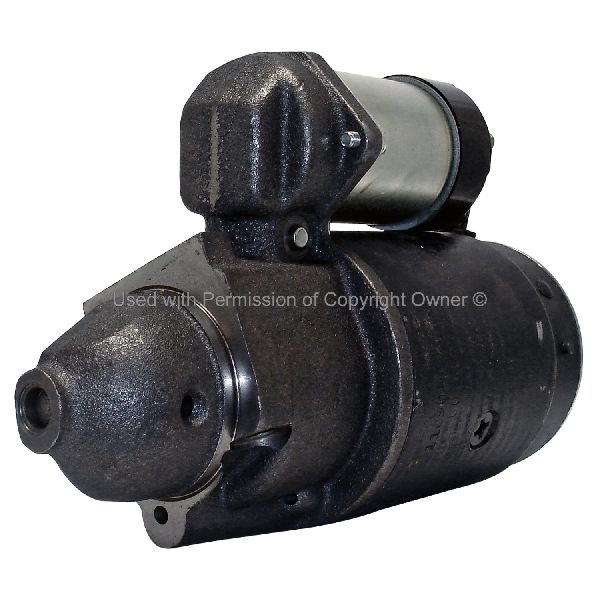
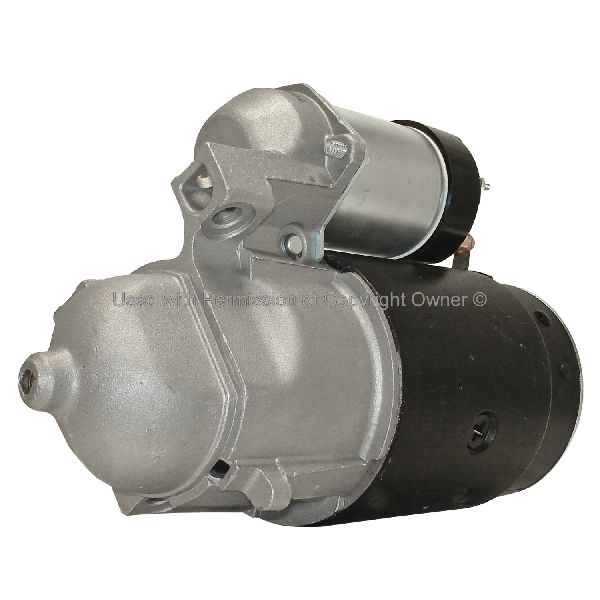
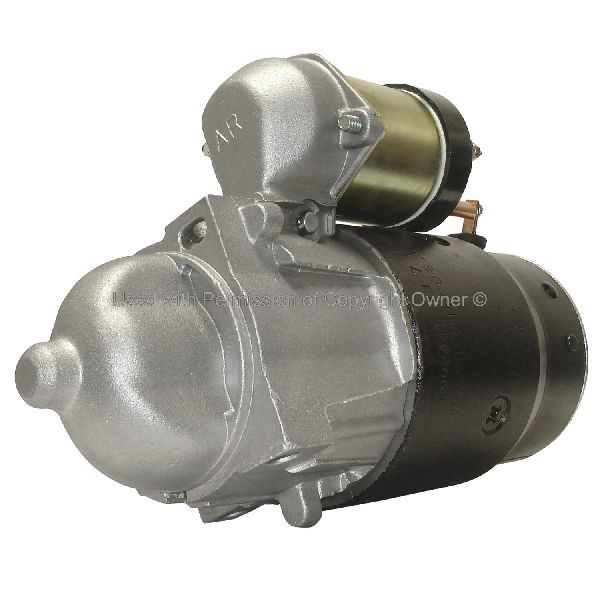
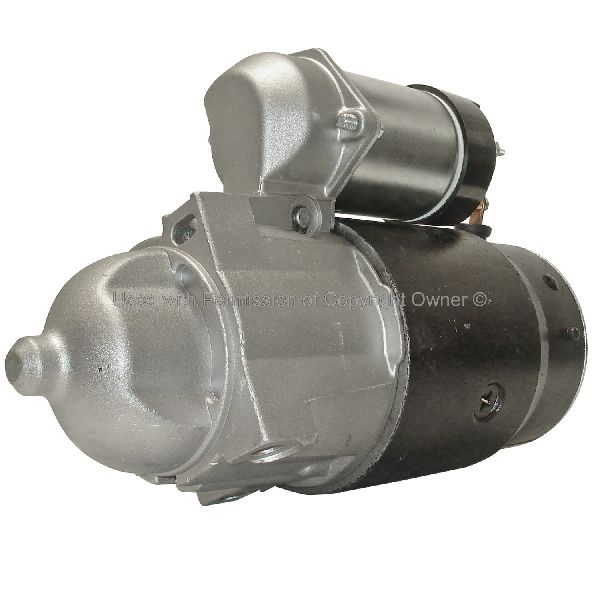
For a stock, original Cutlass, a standard replacement starter from a brand like ACDelco or MPA is a cost-effective choice. ACDelco is GM's official parts brand, and their aftermarket parts are generally considered reliable. However, if you have a modified engine, headers, or are experiencing heat soak, upgrading to a high-torque mini starter is the best solution. These starters are smaller, lighter, and use a gear-reduction design to spin the engine with more power and less electrical draw.
Aftermarket Brand Tiers for Your Cutlass
- Standard Replacement (Good): Brands like MPA (Motorcar Parts of America) offer remanufactured starters that meet original specifications. They are widely available and affordable, making them a practical choice for daily drivers or stock restorations.
- OEM-Quality (Better): ACDelco offers both new and remanufactured starters. While they are an aftermarket supplier, their connection to GM gives many owners peace of mind. They are a solid choice for those wanting to stay close to original quality.
- Performance/Problem-Solver (Best): Brands like Powermaster, MSD, and Proform specialize in high-torque, gear-reduction mini starters. Owners in forums frequently recommend Powermaster to solve heat soak problems permanently. These starters provide better clearance for exhaust headers, crank the engine faster, and are more resistant to heat. They are a worthwhile investment for performance builds or to fix the classic hot-start issue.
Pro Tip: Beat the Heat
Whether you use a stock starter or a mini starter, a heat shield or thermal wrap is a cheap and effective way to protect it from exhaust heat. Many owners who install headers find this necessary. For a few extra dollars, a heat shield blanket can prevent frustrating hot-start problems and extend the life of your new starter.
A Note on Shims
Some GM starters from this era require thin metal plates called shims to properly align the starter gear with the flywheel. Improper alignment can cause grinding or damage. While many Cutlass owners report not needing them, it's important to listen for noise after installation. If you hear grinding, you may need to add or remove shims. Some new starters come with a set of shims.
Cost of a New Starter Motor (1972-1982 Oldsmobile Cutlass)
| Part Type | Estimated Cost |
|---|---|
| New Aftermarket Starter | $70 - $385 |
| Remanufactured Starter | $70 - $200 |
| Shop Labor for Installation | $100 - $250 |
Costs are estimates and can vary based on brand, location, and your vehicle's specific engine and exhaust configuration.
Frequently Asked Questions
Do I need a special starter if I have headers?
Often, yes. Aftermarket headers can be much closer to the starter than stock exhaust manifolds, increasing heat and causing physical clearance issues. A smaller, high-torque mini starter from a brand like Powermaster or MSD is often the best solution for cars with headers, providing both heat resistance and extra space.
What is a starter solenoid and is it included?
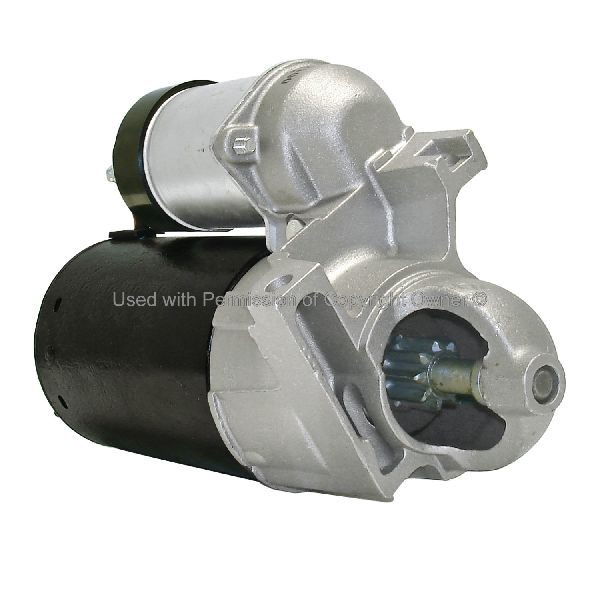
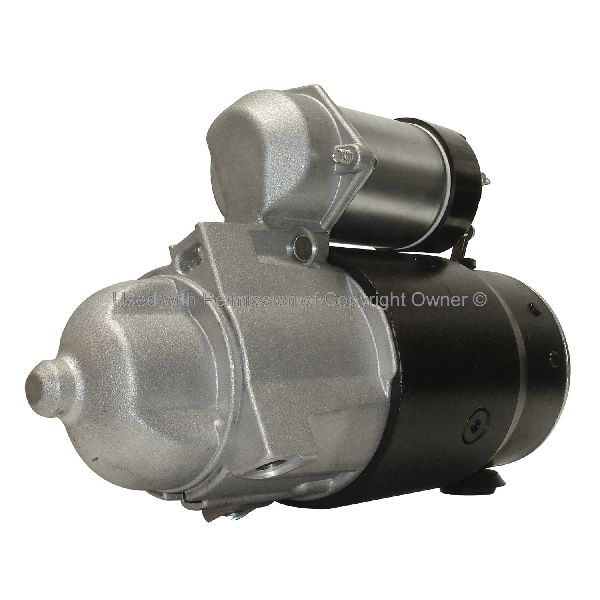
The solenoid is the smaller cylindrical part attached to the starter motor. It acts as a powerful switch, and it also pushes the pinion gear forward to engage the flywheel. On a 1972-1982 Cutlass, the solenoid is almost always sold as part of the complete starter assembly. A 'clicking' sound without the engine cranking often points to a failed solenoid.
Is replacing the starter a good DIY job?
Yes, for someone with moderate mechanical skill. The process involves disconnecting the battery, safely raising the vehicle, removing a few wires and two main bolts. However, the starter is heavy and access can be tight, especially with headers. Using a jack to help support the starter during removal and installation is a common trick.
Are there any recalls for the starter on my Cutlass?
No. Searches of the National Highway Traffic Safety Administration (NHTSA) database show no recalls related to the starter motor for the 1972-1982 Oldsmobile Cutlass. Any issues, like heat soak, are considered common maintenance or performance-related problems for a vehicle of this age.
Technical Specifications
OEM Part Numbers: 1108389 1108516 19136127
The starter is typically a 12-volt, direct-drive or gear-reduction unit. It mounts to the engine block with two bolts and engages with a 166-tooth flexplate/flywheel. High-torque aftermarket versions often feature a 4:1 gear reduction ratio and a more compact, modern design.
We Have This Part in Stock

The information in this article is provided for general reference and educational purposes only. Vehicle specifications, procedures, and part compatibility can vary by production date, trim level, and region. Always consult your vehicle's factory service manual and verify part numbers before purchasing or performing repairs. Safety-critical components such as airbags, seat belts, and braking systems should be installed by a qualified professional.
- 🛍️ Shop This Part
- Symptoms of a Failing Starter in Your Cutlass
- Choosing the Right Aftermarket Starter
- Standard Replacement vs. High-Torque Mini Starters
- Aftermarket Brand Tiers for Your Cutlass
- A Note on Shims
- Cost of a New Starter Motor (1972-1982 Oldsmobile Cutlass)
- Frequently Asked Questions
- 🎟️ Get 5% Off