

Choosing the Right Aftermarket Alternator for Your 1972-1984 Chrysler Imperial
Keep your classic Imperial's electrical system reliable with the right new alternator.
- For most owners, a premium aftermarket brand like ACDelco or Remy offers a good balance of quality and price for a stock vehicle.
- If you have added modern electronics like electric fans or a large stereo, invest in a high-output alternator from a brand like Powermaster.
- Many charging problems on these cars can be traced to the external voltage regulator or corroded wiring at the firewall bulkhead connector, not just the alternator.
- For 1981-1983 models, check for oil leaks from the A/C lines above the alternator, as this is a known cause of failure.
Is Your Imperial's Alternator Failing?
An alternator doesn't usually fail without warning. For 1972-1984 Chrysler Imperials, the signs are often classic and easy to spot. Paying attention to these symptoms can prevent you from getting stranded.
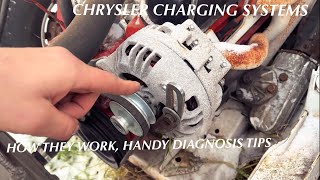
🎬 Learn how these classic charging systems work and how to troubleshoot.Common Failure Symptoms:
- Dimming or Flickering Lights: Headlights and dash lights that dim, flicker, or change brightness as you rev the engine are a primary symptom. This indicates the alternator is struggling to provide consistent voltage.
- Weak or Dead Battery: An alternator's main job is to recharge the battery. If you find yourself with a frequently dead battery, the alternator is likely not doing its job.
- "ALT" or Battery Warning Light: If your Imperial has a dashboard warning light for the charging system, it will illuminate when the alternator's output drops below a safe level.
- Strange Noises: A grinding or whining sound from the front of the engine can point to failing bearings inside the alternator.
- Electrical Gremlins: Power windows that are slow, a radio that cuts out, or other strange electrical issues can happen when the alternator can't supply enough power to all the car's accessories.
A Known Issue for 1981-1983 Imperials
Owners of 1981-1983 models should be aware of a specific issue. A leaking A/C hose connection located directly above the alternator can drip refrigerant oil onto the alternator's brushes. This oil contamination can significantly reduce or stop the alternator's output. If you own one of these models, check for oily residue around the alternator.
Choosing the Right Aftermarket Alternator
For a classic vehicle like the 1972-1984 Imperial, new OEM (Original Equipment Manufacturer) parts are virtually non-existent. The good news is that modern aftermarket alternators are readily available and often offer better performance and reliability than the 40+ year old original technology. The key is to choose the right one for your needs.
Understanding Amperage
Stock alternators for this era typically produced around 60 amps. This was enough for the car's original equipment. However, if you have added modern accessories like a powerful stereo, electric cooling fans, or brighter headlights, you should consider a high-output alternator. Using an underpowered alternator will lead to the same symptoms as a failing one.
| Brand Tier | Brands | Best For |
|---|---|---|
| Performance / High-Output | Powermaster | Owners who have added modern electronics (electric fans, high-wattage stereos, etc.) and need more power at idle and across the RPM range. These often require wiring upgrades to handle the extra current. |
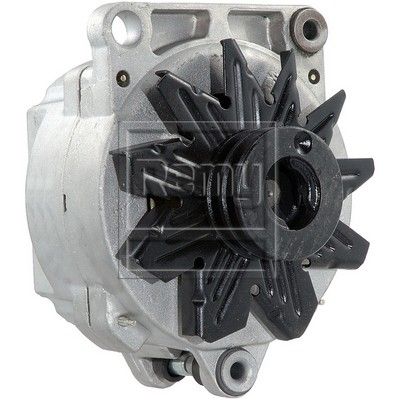
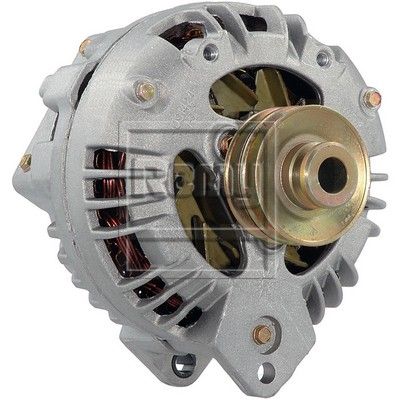
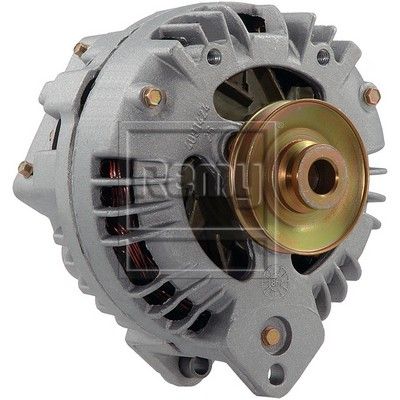
| Premium Aftermarket | ACDelco, Remy | A quality, reliable replacement for a stock or lightly modified vehicle. These brands have a long history and are generally considered a step up from standard parts store options. |
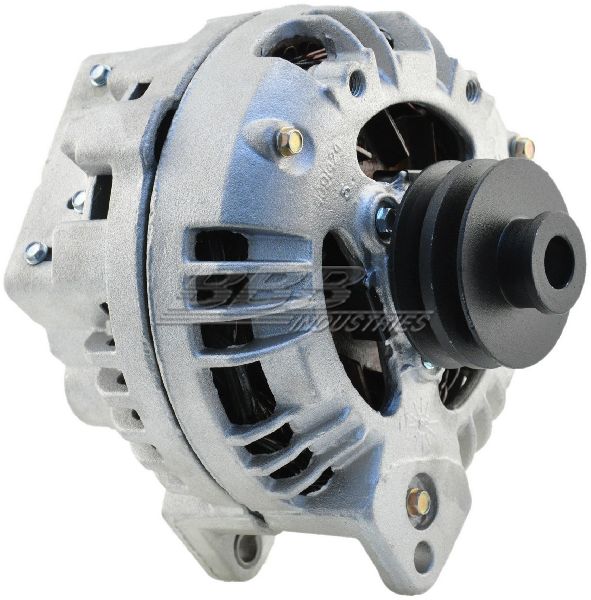
| Standard Replacement | BBB Industries, MPA | Budget-friendly options that meet original specifications for a stock vehicle. They provide a functional replacement to get your Imperial back on the road. |
Pro Tip: Check Your Voltage Regulator
Many Imperials in this year range use an external voltage regulator. This part works with the alternator to control the charging voltage. Sometimes, charging problems are caused by a faulty regulator, not the alternator itself. 🎬 Watch this guide to diagnosing classic Mopar charging system failures. It's a relatively inexpensive part and worth testing or replacing when you install a new alternator, especially if you're still having issues.
Frequently Asked Questions
Do I need a special alternator for my Imperial?
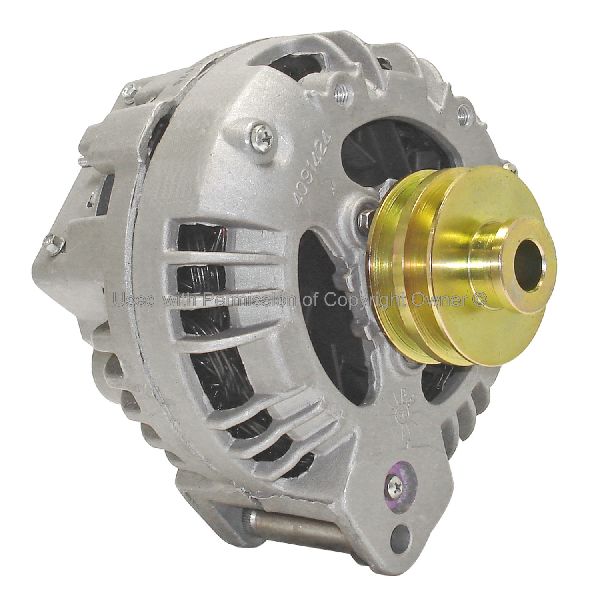
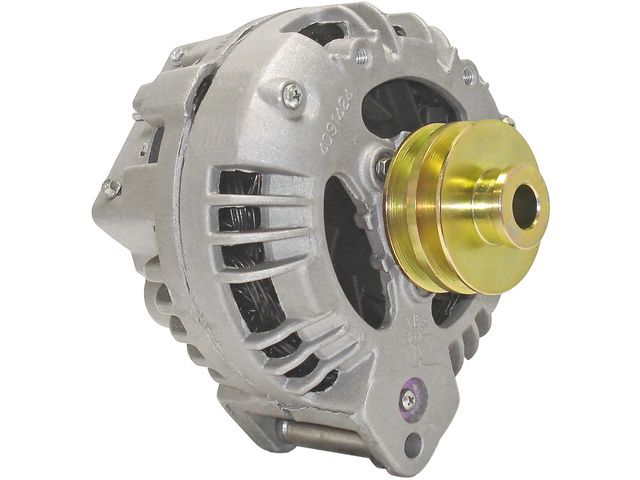
For the most part, these use a common Chrysler "square back" style alternator, especially from 1972 onwards. The key is matching the amperage to your needs and ensuring the pulley (single or double groove) matches your car's belt setup. Some high-output units may require minor bracket modifications.
What is a "one-wire" alternator and should I use one?
A one-wire alternator has an internal voltage regulator and simplifies wiring by only requiring a single large-gauge wire to the battery. They are a popular upgrade for simplifying the engine bay and are often found on high-output models like those from Powermaster. This conversion means you will no longer use the original external voltage regulator.
Are there any recalls for the 1972-1984 Imperial alternator?
No, searches of the NHTSA database show no specific alternator recalls for the 1972-1984 Chrysler Imperial. Recalls found for Chrysler alternators are for much newer vehicles.
Can I replace the alternator myself?
Yes, this is a very DIY-friendly job on these cars. The alternator is typically easy to access at the top front of the engine. The process involves disconnecting the battery, loosening the belt, removing a few bolts, and swapping the electrical connections. Basic hand tools are all that's required.
Helpful Videos
Technical Specifications
Most models from 1972 onward use a Chrysler 'square back' style alternator. Early models in the range use an externally regulated system, while some aftermarket upgrades are internally regulated ('one-wire'). Stock amperage is typically around 60 amps. Pulley style can be single or double V-groove.
We Have This Part in Stock

The information in this article is provided for general reference and educational purposes only. Vehicle specifications, procedures, and part compatibility can vary by production date, trim level, and region. Always consult your vehicle's factory service manual and verify part numbers before purchasing or performing repairs. Safety-critical components such as airbags, seat belts, and braking systems should be installed by a qualified professional.