

Chevrolet Impala Suspension Control Arm Bushing Guide (1972-1997)
Restore your classic Impala's handling and ride quality by replacing worn control arm bushings.
- Worn bushings cause clunking noises, steering wander, and uneven tire wear.
- For this vehicle, consider replacing the entire control arm assembly, which includes new bushings and a new ball joint, for an easier installation.
- Choose rubber bushings (Delphi, Moog) for comfort or polyurethane (Nolathane) for performance.
- A professional wheel alignment is required immediately after replacement.
Is Your Impala's Ride Not What It Used to Be?
The classic 1972-1997 Chevrolet Impala, especially the 1994-1996 SS models, is known for its smooth ride and solid handling. However, the original rubber control arm bushings wear out over time. When they fail, the metal-on-metal contact creates noise, sloppy steering, and an unstable feel. Replacing them is one of the best ways to bring back that new-car feel and ensure your Impala drives safely and predictably.
Choosing the Right Aftermarket Bushing
For a vehicle of this age, aftermarket parts are not just a good option; they are often the only option, and in many cases, an upgrade. Original equipment (OEM) rubber bushings were designed for comfort but can be soft and prone to wear. Aftermarket brands offer a range of choices from standard replacements to performance upgrades.
Aftermarket Brand Tiers for 1972-1997 Impala
| Tier | Brands | Best For |
|---|---|---|
| Economy | QuickSteer | Basic, budget-friendly repairs where cost is the main concern. They get the job done for a daily driver. |
| Standard OE-Quality | Delphi, Mevotech (Standard lines) | Owners looking for a reliable, durable replacement that meets or exceeds original factory quality. Delphi is often an OEM supplier, and Mevotech offers a good balance of quality and price. |
| Premium / Heavy-Duty | Moog, Mevotech (Supreme/TTX lines) | Enthusiasts and owners who want a long-lasting, problem-solving part. Moog is well-regarded for its durable designs, often featuring improvements like greaseable fittings. |
| Performance Upgrade | Nolathane, Prothane, Energy Suspension | Drivers seeking maximum handling performance and durability. These polyurethane bushings are much stiffer than rubber, which sharpens steering response and stability but can slightly increase road noise and ride harshness. |
Known Issues & Recalls
There are no specific recalls for control arm bushings on the 1972-1997 Chevrolet Impala. However, there was a recall in August 2012 for the front lower control arms on 2008-2012 Impala police cars due to a risk of fracture; this does not apply to the 1972-1997 models or civilian vehicles but highlights the stress placed on these components. For these older B-body cars, the most common issue is simply age-related wear and tear of the original rubber bushings.
Pro Tip: Replace or Re-bush?
For the 1972-1997 Impala, you have two options: press out the old bushings and install new ones into your existing control arms, or buy new control arms with bushings already installed. Replacing the entire control arm is often easier for a DIY mechanic as it doesn't require a hydraulic press. It also means you get new ball joints, refreshing the whole assembly at once.
Frequently Asked Questions (FAQ)
Should I use rubber or polyurethane bushings?
Choose based on your goals. For a quiet, comfortable ride that's true to the original feel, stick with high-quality rubber bushings from brands like Delphi or Moog. If you want sharper handling, a more connected road feel for performance driving, and are okay with a slightly firmer ride, polyurethane (like Nolathane) is an excellent upgrade.
Do I need to get an alignment after replacing control arm bushings?
Yes, absolutely. The control arm bushings are a key part of your suspension geometry. Replacing them will almost certainly change your alignment settings. Plan on getting a professional wheel alignment immediately after the repair to prevent uneven tire wear and ensure proper handling.
Should I replace bushings on both sides at the same time?
Yes. Suspension components should always be replaced in pairs (left and right) to ensure balanced handling and predictable performance. If one side's bushing has failed, the other side has endured the same mileage and conditions and is likely not far behind.
What's the difference between upper and lower control arm bushings?
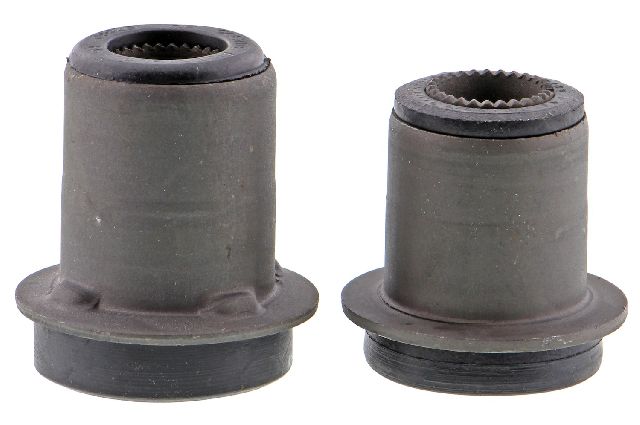
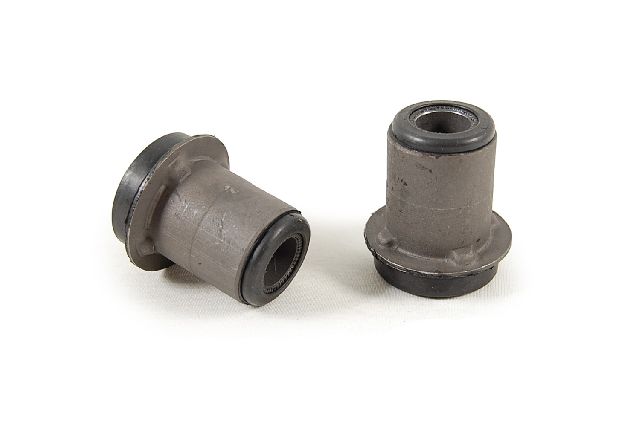
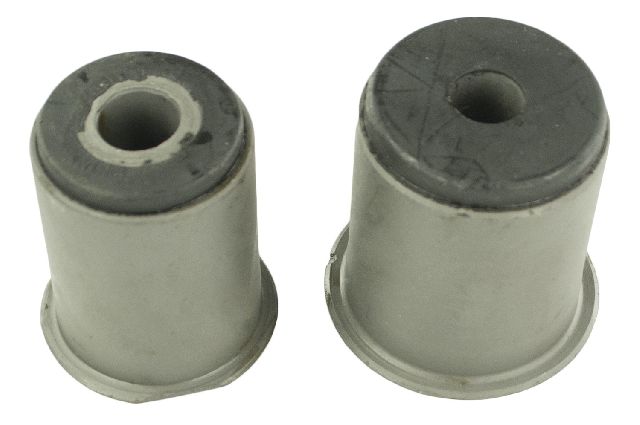
Your Impala has both upper and lower control arms in the front suspension. The lower control arm bushings typically bear more of the vehicle's weight and stress, so they may wear out faster. However, it's best practice to inspect all bushings (upper and lower) and replace any that show signs of cracking, tearing, or excessive play.
Technical Specifications
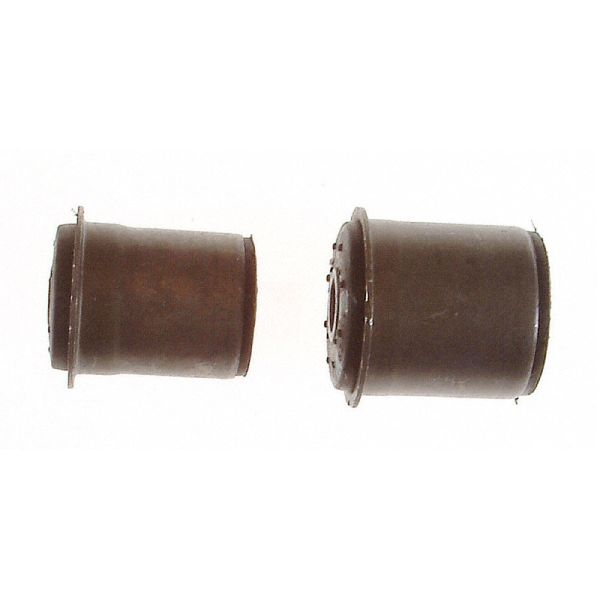
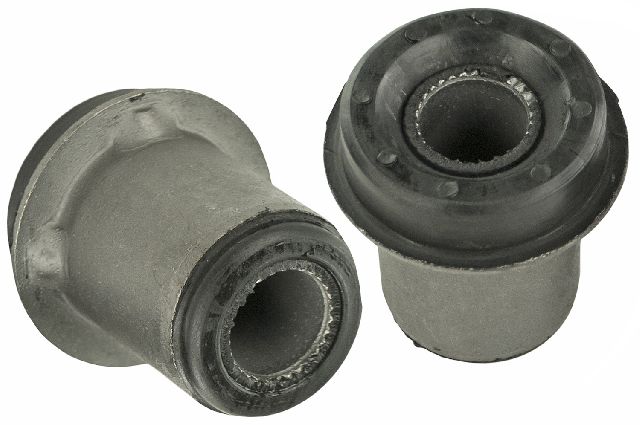
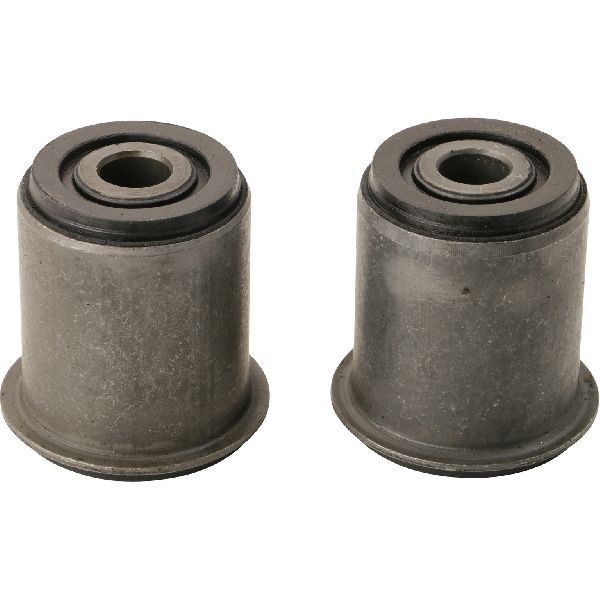
The 1972-1997 Impala uses a double A-arm front suspension on a body-on-frame (GM B-body) platform. Bushings are available for both upper and lower control arms, as well as front and rear positions. Materials are typically rubber or polyurethane.
We Have This Part in Stock

The information in this article is provided for general reference and educational purposes only. Vehicle specifications, procedures, and part compatibility can vary by production date, trim level, and region. Always consult your vehicle's factory service manual and verify part numbers before purchasing or performing repairs. Safety-critical components such as airbags, seat belts, and braking systems should be installed by a qualified professional.