

Ford Courier Automatic Transmission Oil Cooler Guide: 1972-1982
Keep your classic Ford Courier's automatic transmission running cool and reliable for years to come.
- The Ford Courier pickup was sold in North America from 1972-1982; coolers for later models are for different, international vehicles.
- An aftermarket transmission cooler is a vital upgrade over the original technology, protecting your transmission from heat-related failure.
- Stacked-plate coolers from brands like Derale or Hayden offer superior performance compared to older tube-and-fin designs.
- Symptoms like fluid leaks, a burnt smell, or poor shifting indicate a potential transmission cooling problem that should be addressed immediately.
Signs of a Failing Transmission Cooler
An automatic transmission is one of the most expensive parts to replace. Protecting it is key. Watch for these signs that your transmission oil cooler may be failing or that your transmission is overheating.
- Transmission Fluid Leaks: You may see puddles of reddish or brown fluid under your truck. Leaks can come from the cooler itself or the lines running to it.
- Overheating Transmission: A transmission temperature gauge showing high readings is a clear sign of trouble. Some vehicles may enter a 'limp mode' with reduced power to prevent damage.
- Burnt Smell: If the transmission fluid gets too hot, it can burn. This creates a distinct, acrid smell and means the fluid is no longer protecting the transmission properly.
- Slipping or Rough Shifting: When fluid is hot or low due to a leak, it can cause a loss of hydraulic pressure. This leads to the transmission slipping between gears, or shifting harshly and erratically.
- Contaminated Fluid: If the cooler fails internally on a model where it is part of the radiator, coolant can mix with transmission fluid. This creates a milky, pinkish fluid that will quickly destroy the transmission.
Choosing the Right Aftermarket Cooler
For a classic truck like the 1972-1982 Ford Courier, finding a new original equipment (OEM) part is nearly impossible. Aftermarket coolers are not just a replacement; they are an upgrade. Heat is the number one enemy of an automatic transmission, and a modern, efficient aftermarket cooler offers better protection than the original 1970s technology.
When shopping for a cooler, you will see two main types:
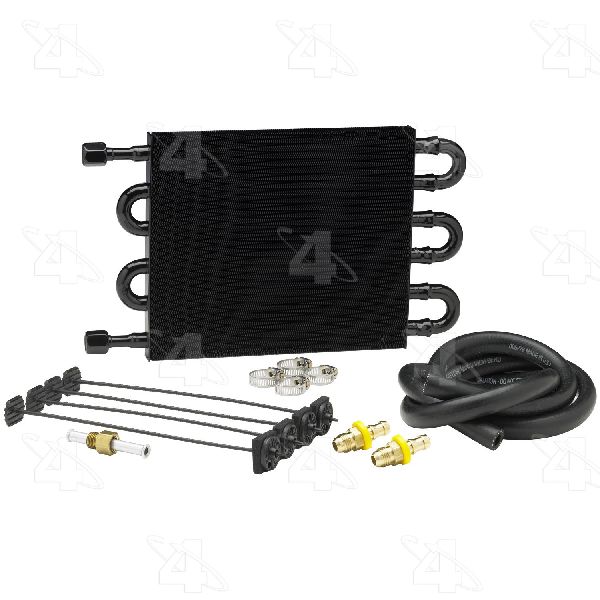
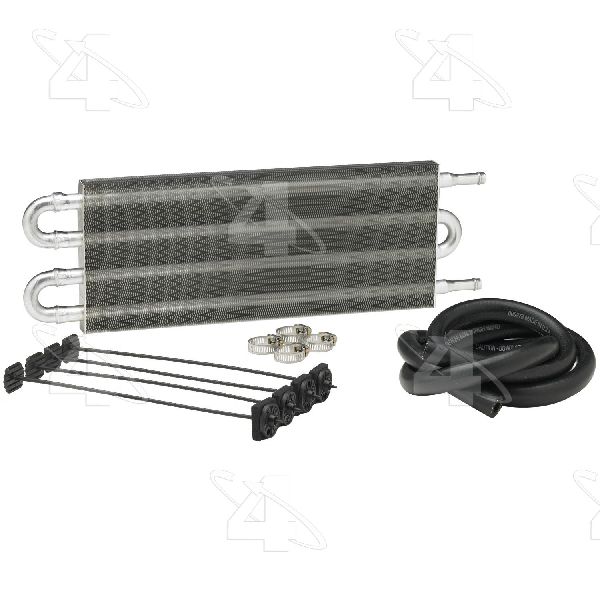
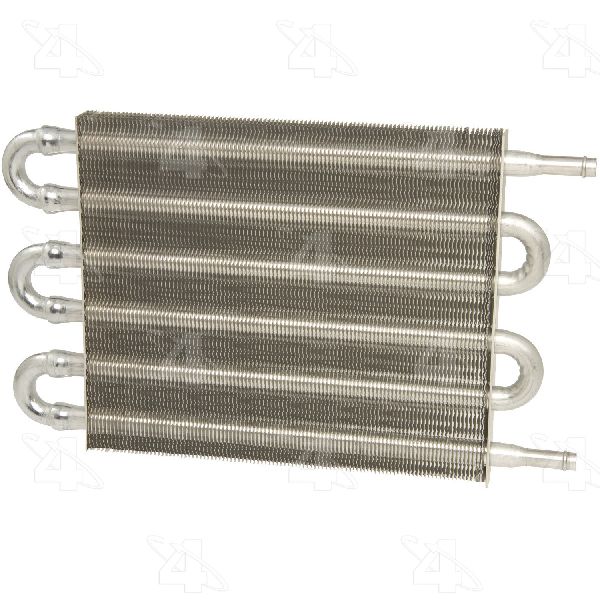
- Tube-and-Fin: This is a basic design that looks like a bent tube with fins on it. It is the most affordable option and is fine for stock vehicles in mild climates with light use.
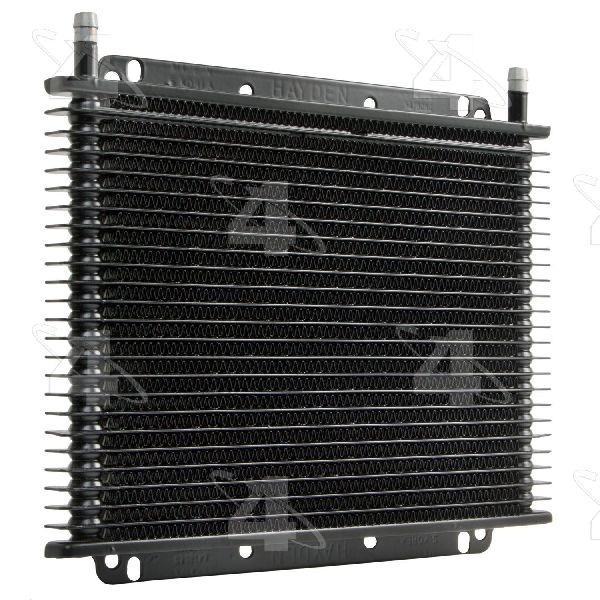
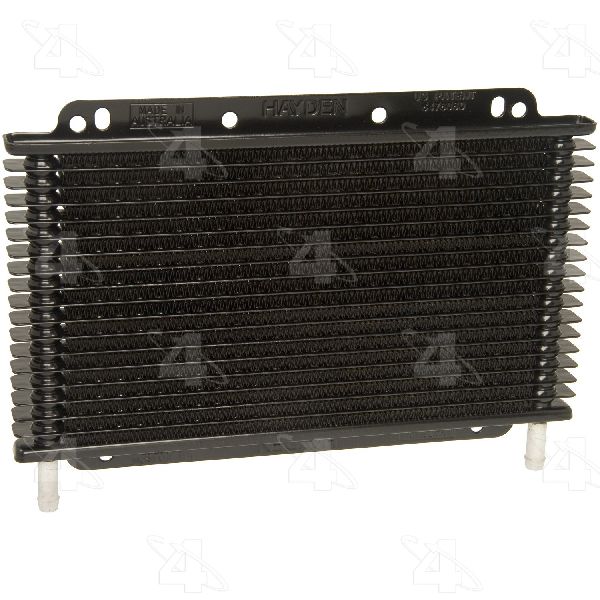
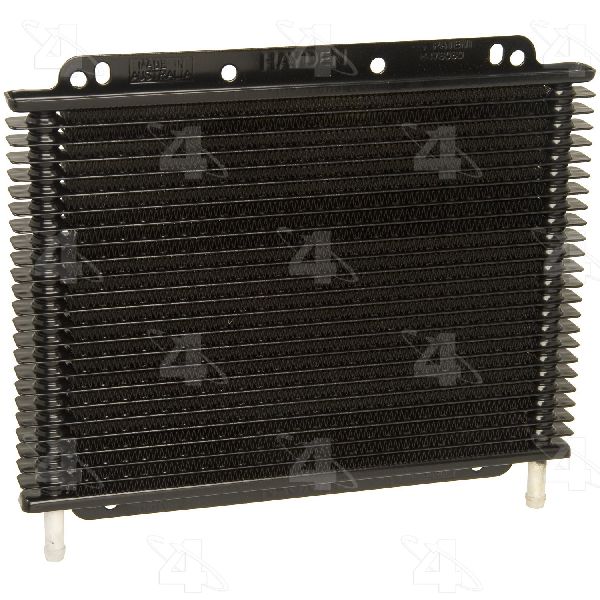
- Stacked-Plate: This design is more efficient and durable. It looks like a series of flat plates stacked together. It offers better cooling, is more resistant to damage from rocks or debris, and is the recommended choice for almost any application, especially if you tow or live in a hot area.
Pro Tip: Always choose a stacked-plate cooler if your budget allows. The extra cooling performance is a cheap investment compared to the cost of a transmission rebuild. Brands like Derale, Hayden, and Four Seasons are all reputable choices with a long history of making quality cooling products.
Cost of Replacing a Transmission Cooler
| Part Type | Estimated Cost |
|---|---|
| New Aftermarket Part | $51.93 - $95.39 |
| Shop Labor | $150 - $300 |
| New OEM Part | Not Available |
| Used OEM Part | Not Recommended |
Cost estimates are for the part and labor only and do not include the cost of new transmission fluid or other potential repairs.
Frequently Asked Questions
Is an aftermarket cooler better than the original?
Yes. For the Ford Courier, a modern aftermarket cooler, especially a stacked-plate design, is a significant upgrade in cooling efficiency and durability compared to the original factory part from the 1970s or early 1980s.
Can I install a transmission cooler myself?
Yes, if you have basic mechanical skills. Since these are universal coolers, the job involves finding a good mounting location (usually in front of the radiator), securing the cooler, and carefully routing and connecting the fluid lines. It requires more effort than a direct-fit part.
Should I bypass the cooler in the radiator?
Many owners of classic trucks choose to run the fluid first through the factory radiator cooler (if equipped and in good condition) and then to the new auxiliary cooler. This can help bring the fluid up to operating temperature in cold climates. However, if you suspect the radiator cooler is clogged or leaking, you should bypass it completely and only use the new standalone cooler. Running fluid through a clogged cooler restricts flow and can damage the transmission.
What size cooler do I need for my Ford Courier?
For a stock Courier with a small engine, a compact stacked-plate cooler is usually sufficient. Look for coolers rated for compact trucks or those with a Gross Vehicle Weight Rating (GVWR) around 10,000 lbs. This provides plenty of cooling capacity for a small truck, even when towing a light load.
Technical Specifications
Aftermarket coolers for the 1972-1982 Ford Courier are universal parts. The key specifications relate to the type (Tube-and-Fin vs. Stacked-Plate) and the physical dimensions to ensure fitment in front of the radiator. Common hose sizes are 5/16" or 3/8".
We Have This Part in Stock

The information in this article is provided for general reference and educational purposes only. Vehicle specifications, procedures, and part compatibility can vary by production date, trim level, and region. Always consult your vehicle's factory service manual and verify part numbers before purchasing or performing repairs. Safety-critical components such as airbags, seat belts, and braking systems should be installed by a qualified professional.