

A Practical Guide to the 1973-1975 Buick Apollo Manual Transmission Mount
Stop the clunking and vibration by choosing the right new mount for your classic Apollo.
- Choose a standard rubber mount (Anchor, DEA) for a quiet, factory-like ride, but inspect it for quality before installation.
- Select a polyurethane mount (Prothane, Daystar) only if you want higher performance and can tolerate more cabin vibration.
- Since OEM parts are unavailable, a new aftermarket mount is your only reliable option.
- It is highly recommended to inspect and likely replace the two engine mounts at the same time as the transmission mount.
Is Your Buick Apollo Shaking or Clunking?
A bad manual transmission mount is a common issue on classic cars like the 1973-1975 Buick Apollo. After 50 years, the original rubber has likely become hard, cracked, or soaked with oil, causing it to fail. When the mount can no longer support the transmission properly, you will start to notice distinct noises and vibrations.
Symptoms of a Failing Transmission Mount
- Clunking or Banging Noises: This is the most common sign. You may hear a loud "clunk" or "bang" from under the car when you accelerate, let off the gas, or shift gears. This is the sound of the transmission lifting and hitting the vehicle's frame.
- Excessive Vibration: If the mount has collapsed, you'll feel new vibrations through the floor, seat, or gear shifter. This shaking can be constant or may get worse as you accelerate.
- Shifter Movement: You might notice the manual gear shifter jumping or moving more than usual during acceleration or deceleration. This is a direct result of the entire transmission moving.
- Visible Movement: A mechanic can check for a bad mount by watching the engine and transmission while shifting from drive to reverse with the brakes applied. You can also try to pry against the mount with a pry bar (when the engine is off) to check for excessive play.
OEM Parts Are No Longer Available
Original GM transmission mounts for the 1973-1975 Apollo are no longer in production. Your only option is to purchase a new aftermarket part. While used original parts may be found, it is not recommended to install a 50-year-old rubber component, as it will likely fail soon.
Choosing the Right Aftermarket Mount
For the Buick Apollo, your choice comes down to two types of materials: standard rubber or performance polyurethane. Given the low cost of these parts, the decision should be based on your driving style and tolerance for vibration.
Good: Standard Rubber Mounts (OEM Style)
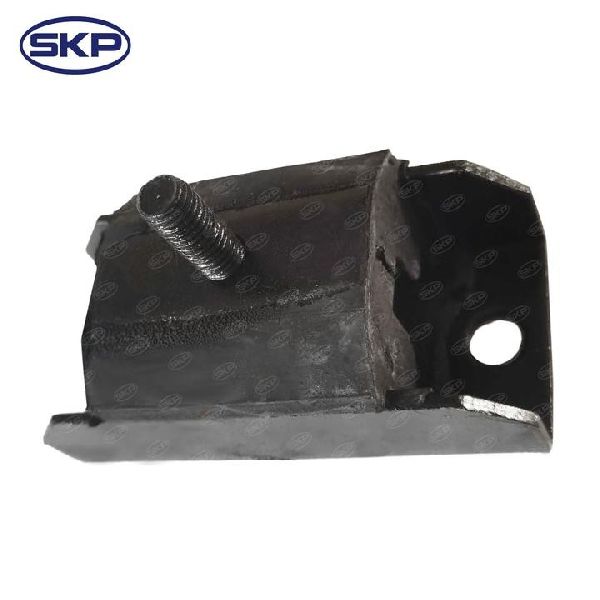
Brands like Anchor, DEA, and Skyward offer direct replacements made from rubber. These are designed to mimic the feel of the original factory mount, providing a comfortable ride by absorbing most drivetrain vibrations. They are the best choice for a daily driver or a classic restoration where originality and comfort are the goals.
Heads Up: Forum discussions about budget brands like Anchor and DEA often mention inconsistent quality, with some parts failing prematurely. While they are affordable, inspect the part carefully out of the box for any defects in the rubber or metal before installation.
Better: Polyurethane Mounts (Performance)
Brands like Prothane and Daystar offer mounts made from polyurethane, a much stiffer and more durable material than rubber. These mounts are designed for performance applications to reduce drivetrain movement, providing a more connected feel and better power transfer. However, this stiffness comes at a cost: more engine and transmission noise and vibration will be transferred into the cabin. Choose polyurethane if you have a modified engine or prioritize performance over comfort.
| Brand Tier | Brands | Material | Pros | Cons | Price Range |
|---|---|---|---|---|---|
| Good (Value) | Anchor, DEA, Skyward | Rubber | Quiet, comfortable ride; Low cost | Reports of lower quality and shorter lifespan | $9.89 - $15.00 |
| Better (Performance) | Prothane, Daystar | Polyurethane | Durable, reduces drivetrain movement | Increases cabin noise and vibration | $30.00 - $34.29 |
Known Issues, Recalls, and Bulletins
Our research found no specific recalls or Technical Service Bulletins (TSBs) from the NHTSA related to the manual transmission mount for the 1973-1975 Buick Apollo. Any issues you experience will likely be due to the age and wear of the original part.
Frequently Asked Questions (FAQ)
Can I replace the transmission mount myself?
Yes, this is a DIY-friendly job for someone with basic tools. The process involves safely supporting the transmission with a floor jack and a block of wood, removing the bolts holding the old mount to the crossmember and transmission, and installing the new part. The entire job can typically be done in 1-2 hours.
Should I get a rubber or polyurethane mount for my Apollo?
For most owners, a standard rubber mount is the best choice. It will maintain the original ride quality and comfort. Only choose a polyurethane mount if you are building a high-performance vehicle and are willing to accept a significant increase in noise and vibration inside the car.
What happens if I don't replace a bad transmission mount?
Ignoring a failed mount can lead to more serious problems. The constant movement can damage other parts like the driveshaft U-joints, exhaust pipes, and engine mounts. In severe cases, it can affect the shifter linkage, making it difficult to shift gears.
Should I replace my engine mounts at the same time?
It is highly recommended. The engine mounts and transmission mount work together as a system. If the transmission mount has failed due to age, your engine mounts are likely in similar condition. Replacing all of them at once ensures the entire drivetrain is secure and prevents a new mount from failing prematurely due to stress from old, worn-out mounts.
Technical Specifications
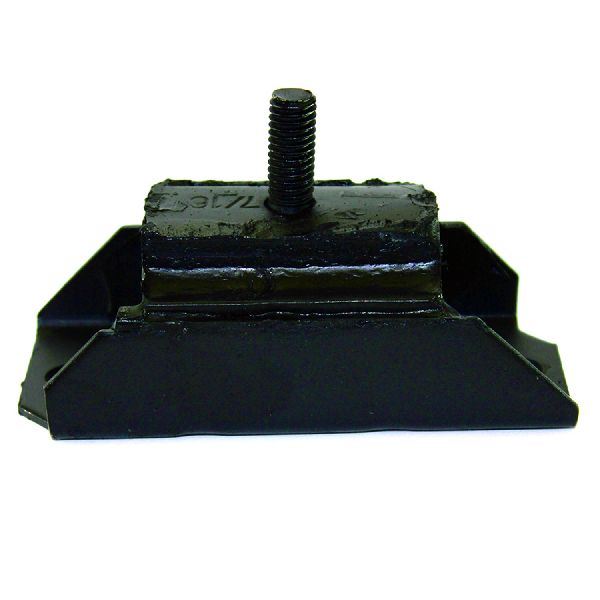
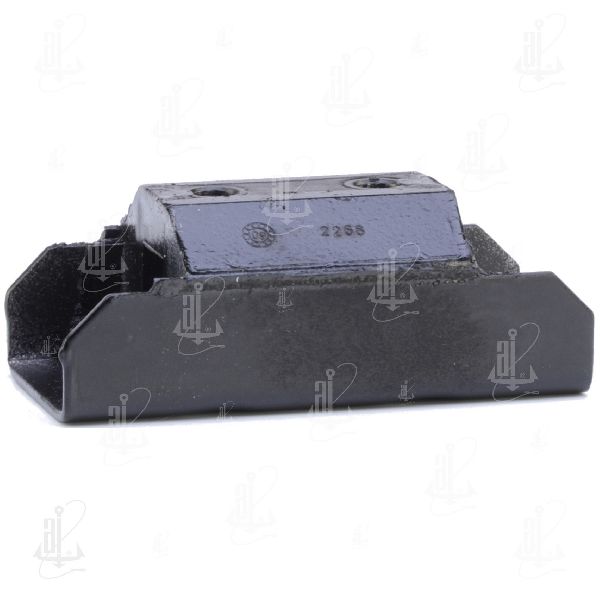
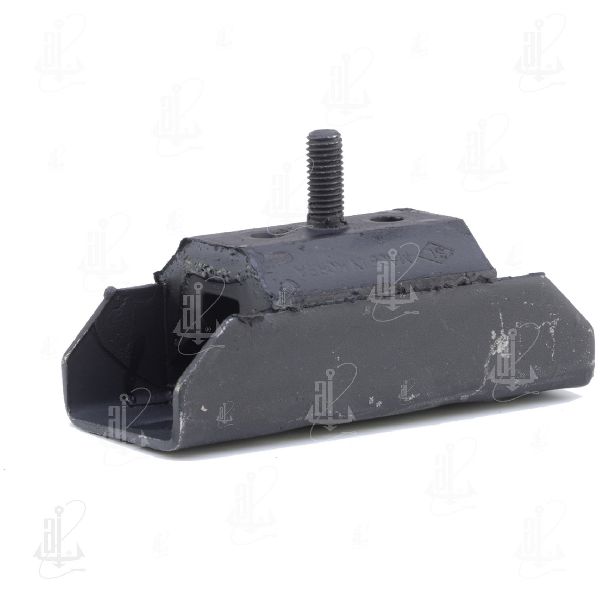
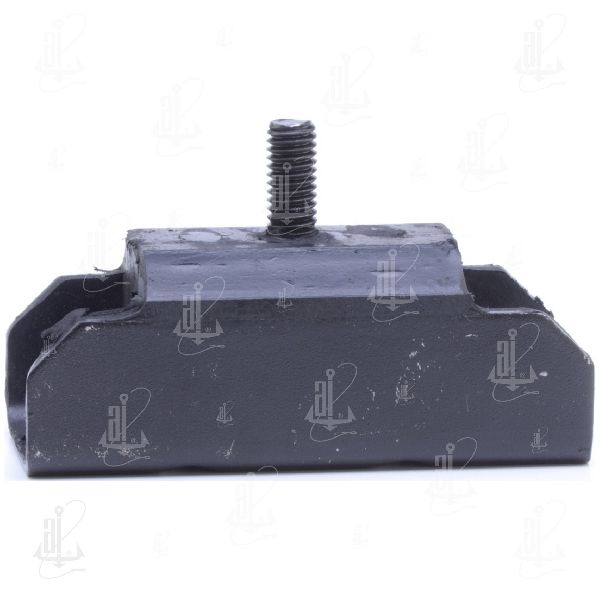
The most common aftermarket part numbers are Anchor 2360 and Prothane 7-1604-BL. The standard mount uses a single stud on top and a two-bolt base that attaches to the transmission crossmember. It is shared across many GM rear-wheel-drive vehicles of the era.
We Have This Part in Stock

The information in this article is provided for general reference and educational purposes only. Vehicle specifications, procedures, and part compatibility can vary by production date, trim level, and region. Always consult your vehicle's factory service manual and verify part numbers before purchasing or performing repairs. Safety-critical components such as airbags, seat belts, and braking systems should be installed by a qualified professional.
- 🛍️ Shop This Part
- Is Your Buick Apollo Shaking or Clunking?
- Symptoms of a Failing Transmission Mount
- OEM Parts Are No Longer Available
- Choosing the Right Aftermarket Mount
- Good: Standard Rubber Mounts (OEM Style)
- Better: Polyurethane Mounts (Performance)
- Known Issues, Recalls, and Bulletins
- Frequently Asked Questions (FAQ)
- 🎟️ Get 5% Off