

A Guide to the Starter Motor for the 1973-1975 Buick Apollo
Understand the common failure points and learn how to select the correct new aftermarket starter for your classic Apollo.
- Heat soak is a very common issue for V8 models, causing no-start conditions when the engine is hot. A high-torque starter or a heat shield is the best solution.
- The Buick Apollo shares many parts with the Chevy Nova, Oldsmobile Omega, and Pontiac Ventura, which can help in sourcing parts and information.
- Replacement is a straightforward DIY job for most, requiring basic tools and safe access under the vehicle.
- Before replacing the starter, always check that your battery is fully charged and the cable connections are clean and tight, as these can cause similar symptoms.
Is Your Buick Apollo's Starter Failing?
A failing starter rarely dies without warning. If you pay attention to the signs, you can replace it before you get stranded. The most common symptoms involve sounds, or the lack thereof, when you turn the key.
- Clicking Noise: A single, loud click suggests the starter's solenoid is engaging but the motor isn't turning. This is a classic sign of a bad starter. Rapid clicking often points to a weak battery, so always check your battery's health first.
- Slow, Labored Cranking: If the engine turns over sluggishly, like it's struggling, the starter motor may be getting weak and nearing the end of its life.
- Grinding or Whirring Noise: A grinding sound means the starter gear isn't meshing correctly with the flywheel, which can cause damage to both parts if ignored. A whirring sound without the engine cranking means the starter motor is spinning but not engaging the flywheel at all.
- No Sound at All: If your battery is good and the lights work, but you get no sound from the starter, it could indicate a complete electrical failure in the starter or solenoid.
- Smoke: Smoke from under the hood when trying to start the car can mean the starter is overheating due to an electrical short. Stop trying to start it immediately to prevent further damage.
A Common Issue for V8 Apollos: Heat Soak
A frequent complaint among owners of classic GM V8 cars is a problem called "heat soak." This happens when the starter, positioned close to the hot exhaust, gets so hot that its internal electrical resistance increases. The result is a starter that works fine when the engine is cold but struggles or fails to crank the engine after it has been running and is fully warmed up. You might stop for gas, and then the car won't restart until it cools down for 30-60 minutes.
Pro Tip: Solving Heat Soak
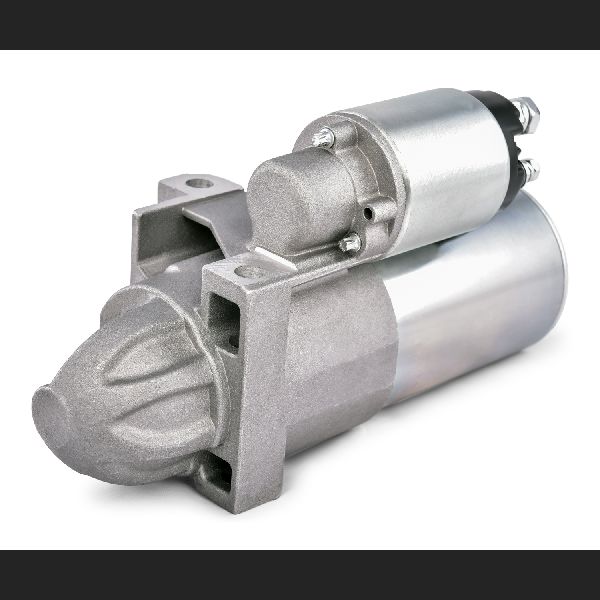
There are two main solutions for heat soak. The first is adding a heat shield or a special insulating blanket around the starter to protect it from exhaust heat. The second, more effective solution is to upgrade to a modern, high-torque, gear-reduction starter. These starters are smaller, providing more physical clearance from the exhaust, and require less power to crank the engine, making them less susceptible to heat-related issues.
Choosing the Right Aftermarket Starter
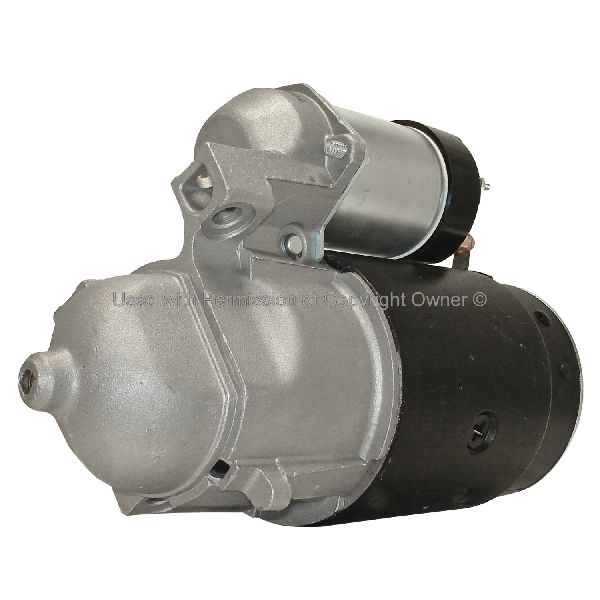
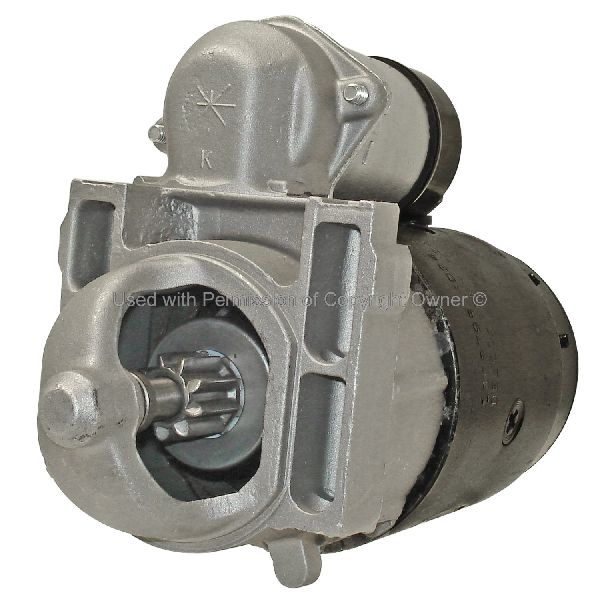
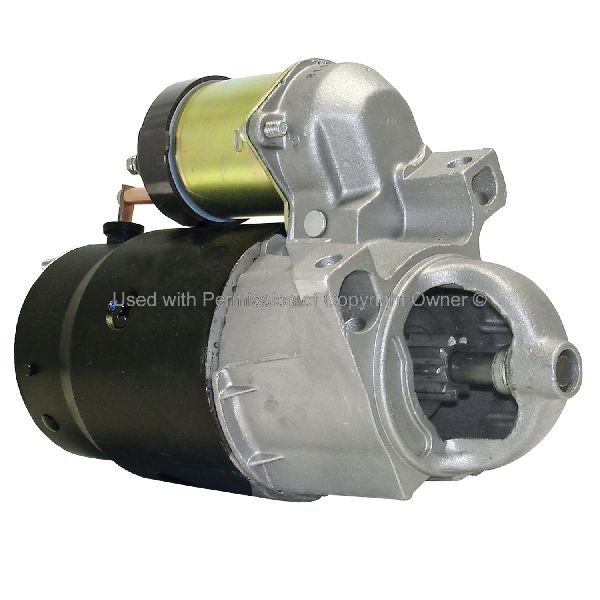
For the 1973-1975 Buick Apollo, new OEM starters are generally not available. The market consists of new aftermarket, remanufactured, and used parts. New aftermarket starters offer the latest technology and a full warranty, making them a popular choice.
- Standard Replacement (e.g., MPA): These starters are designed to be direct, factory-style replacements. They are a good, cost-effective choice for stock, unmodified engines used for regular driving.
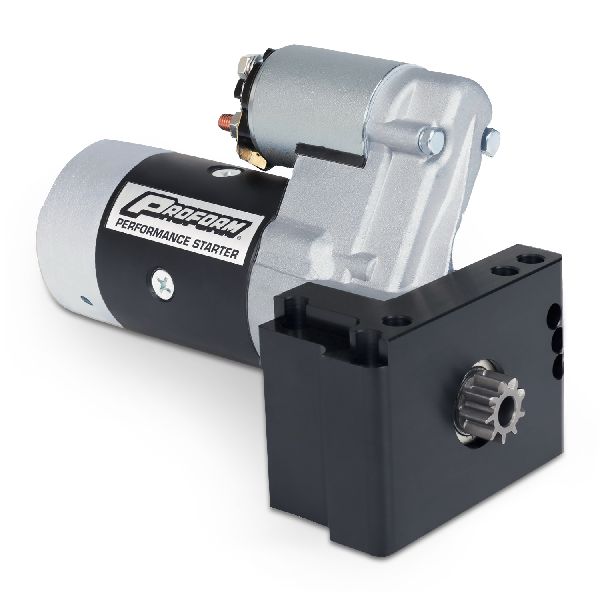
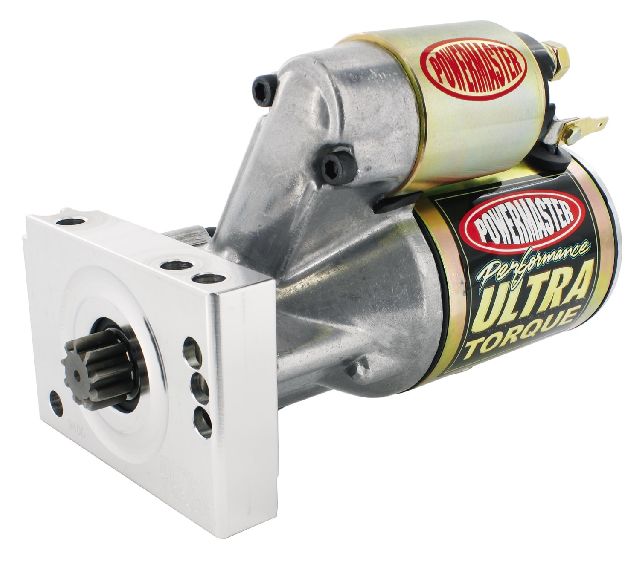
- High-Torque / Performance (e.g., Powermaster, Proform): These are gear-reduction starters that provide more cranking power with less electrical draw. They are highly recommended for solving heat soak problems, for engines with higher compression, or for anyone wanting improved reliability and starting performance. Many are also "clockable," meaning their mounting position can be adjusted to maximize clearance around headers or other modifications.
Starter Cost Comparison: 1973-1975 Buick Apollo
| Part Type | Estimated Cost |
|---|---|
| New Aftermarket | $94.84 - $384.18 |
| Remanufactured | $70 - $150 |
| Used OEM (Junkyard) | $25 - $75 |
| Shop Labor | $125 - $225 |
Frequently Asked Questions (FAQ)
Is replacing the starter a good DIY job?
Yes, for most home mechanics. Access is generally reasonable from under the vehicle. The job typically involves disconnecting the battery, removing two or three wires from the starter solenoid, and unbolting two mounting bolts. Always ensure the car is safely supported on jack stands before working underneath it.
Do I need a special starter for my engine?
It depends on the flywheel. GM used two common flywheel sizes on its V8 engines: a smaller 153-tooth and a larger 168-tooth. These require starters with different mounting bolt patterns (inline vs. staggered). Always verify which flywheel your car has, or match your new starter to the old one to ensure correct fitment.
What is a starter solenoid and is it included?
The solenoid is a powerful switch that sends battery power to the starter motor when you turn the key. On these Buick Apollo starters, the solenoid is attached to the top of the starter motor. All new aftermarket starters come with a new solenoid pre-installed.
My lights work, but the car won't start. Could it still be the battery?
It's less likely, but possible. Interior lights and radio require very little power, while a starter motor needs a huge amount of amperage. However, if the lights are bright and don't dim when you turn the key, and all you hear is a click or nothing, the starter is the most likely culprit.
Technical Specifications
The 1973-1975 Buick Apollo was available with a Chevrolet 250ci inline-6 or a Buick 350ci V8. Starters vary based on the engine and the flywheel tooth count (153 or 168 teeth for V8s). Aftermarket options include standard direct-drive replacements and high-torque, gear-reduction models. Key features to look for are 'high-torque', 'gear reduction', and 'clockable' for performance applications.
We Have This Part in Stock

The information in this article is provided for general reference and educational purposes only. Vehicle specifications, procedures, and part compatibility can vary by production date, trim level, and region. Always consult your vehicle's factory service manual and verify part numbers before purchasing or performing repairs. Safety-critical components such as airbags, seat belts, and braking systems should be installed by a qualified professional.