

Suspension Stabilizer Bar Bushing Kit Guide for the 1973-1977 Buick Regal
Fix front-end clunks and tighten up your classic Regal's handling by replacing your worn-out sway bar bushings.
- Worn stabilizer bar bushings are a primary cause of clunking noises from the front suspension on a 1973-1977 Regal.
- You must measure your sway bar's diameter before ordering to ensure you buy the correct size bushings.
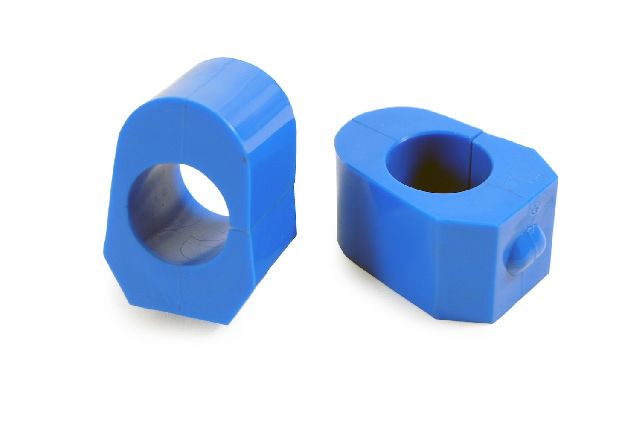
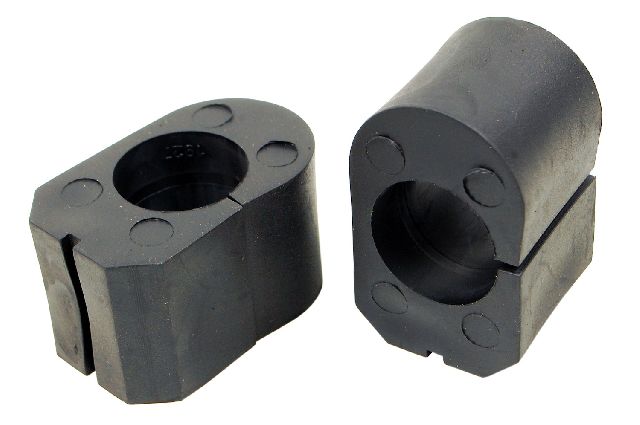
- Choose rubber bushings for a quiet, comfortable ride or polyurethane for improved handling and durability.
- Replacing sway bar bushings is an easy and affordable DIY job that can significantly improve your car's sound and stability.
Is Your Regal Making Clunking Noises? Check the Sway Bar Bushings.
If you're hearing a rattling or clunking sound from the front of your 1973-1977 Buick Regal, especially when driving over bumps or uneven roads, there's a good chance the stabilizer bar bushings are worn out. These inexpensive parts are made of rubber that cracks, hardens, and deteriorates after decades of use. When they fail, the steel sway bar can knock against the frame, creating noise and a loose feeling in the steering.
Symptoms of Bad Stabilizer Bar Bushings
- Clunking or Rattling: The most common sign is noise from the front suspension when going over bumps.
- Poor Handling: You might notice excessive body roll or lean during turns, making the car feel less stable.
- Loose Steering: A general feeling of looseness or a delay in steering response can also be a symptom.
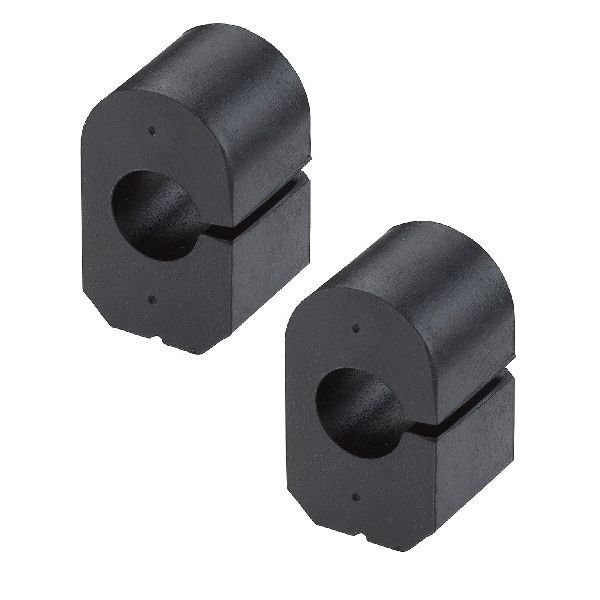
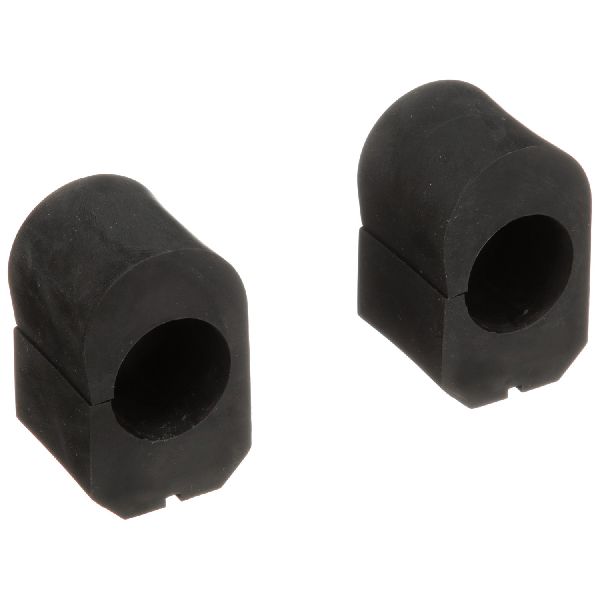
- Visible Wear: You can often see if the bushings are bad by looking at them. Check for cracked, crumbling, or missing pieces of rubber where the sway bar is mounted to the frame.
Known Issues, Recalls, and Bulletins
For a vehicle of this age, there are no active recalls or Technical Service Bulletins (TSBs) from the NHTSA for stabilizer bar bushings. Any issues you experience are due to the normal wear and tear of 50-year-old components. The primary "known issue" is simply that the original rubber parts have reached the end of their life.
Choosing the Right Aftermarket Bushing Kit
Since Original Equipment (OEM) parts are no longer available from dealers for this Regal, you will be choosing from aftermarket brands. The good news is that modern aftermarket parts often use materials that are more durable than the original 1970s rubber. Your main choice will be between rubber and polyurethane bushings.
Pro Tip: Measure Your Sway Bar First!
The 1973-1977 Regal could be factory-equipped with sway bars of different diameters. Before ordering, you must measure the diameter of your car's sway bar to ensure you get the correct size bushings for a perfect fit. An ill-fitting bushing will not work properly.
Material Choice: Rubber vs. Polyurethane
- Rubber Bushings: Choose rubber if you want to maintain the original, comfortable ride of your Regal. Rubber is better at absorbing noise and vibrations, providing a quieter experience. However, it is softer and will wear out faster than polyurethane.
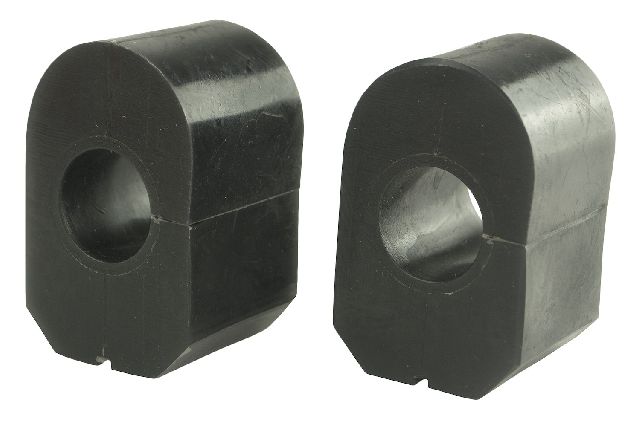
- Polyurethane Bushings: Choose polyurethane for improved handling and durability. Polyurethane is a much stiffer material that holds the sway bar more securely, reducing body roll and providing a more responsive feel. The downsides are a potentially harsher ride and the possibility of squeaking if not installed with the proper grease.
Aftermarket Brand Tiers
For your Regal, several brands offer stabilizer bushing kits. Here’s a general breakdown of their market position:
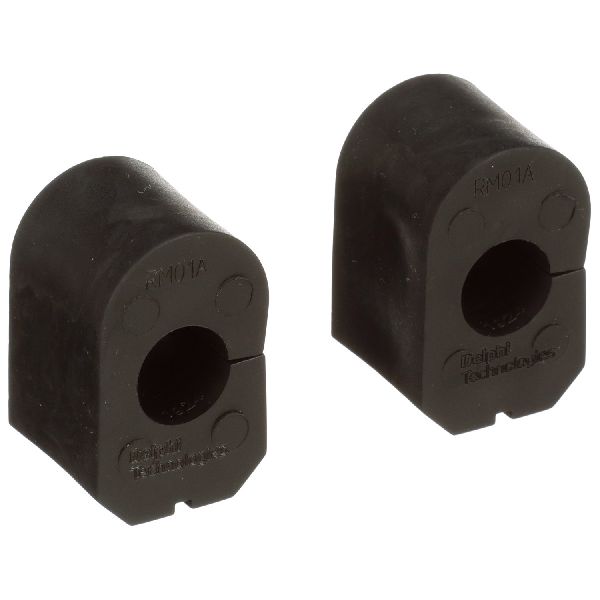
- Premium Brands (Moog, Delphi): Moog is a well-regarded aftermarket brand often known for redesigning parts to be stronger than the original. Delphi has a strong history as an OEM supplier, and their parts are known for quality fit and finish.
- Standard/Value Brands (Dorman, Mevotech): These brands offer a good balance of quality and price. Dorman provides a wide range of parts that meet original specifications. Mevotech is also a popular choice, with some of their premium lines considered to be very robust.
- Economy Brands (QuickSteer): These brands are typically the most affordable option for a standard replacement.
| Part Type | Estimated Cost |
|---|---|
| New Aftermarket Kit | $7.98 - $21.13 |
| Shop Labor | $100 - $200 |
Frequently Asked Questions (FAQ)
Q: Can I replace just the bushings, or do I need to replace the whole sway bar?
A: You almost never need to replace the sway bar itself unless it is bent or broken from collision damage. The bushings are designed to be the wear item. Replacing just the bushing kit is a standard repair.
Q: Should I replace the sway bar end links at the same time?
A: Yes, it's highly recommended. The end links also have bushings that wear out and can cause clunking noises. Since you are already working in the area, replacing the end links at the same time is efficient and ensures a complete repair.
Q: Is this a difficult job to do myself?
A: No, this is considered a very easy DIY job for most people with basic hand tools. It typically involves removing two bolts on each bushing bracket. You will need to safely lift and support the front of the vehicle with jack stands.
Q: Do I need a wheel alignment after replacing sway bar bushings?
A: No, a wheel alignment is not necessary after replacing the stabilizer bar bushings or end links, as these parts do not affect the car's alignment angles.
Frequently Asked Questions (FAQ)
Q: Can I replace just the bushings, or do I need to replace the whole sway bar?
A: You almost never need to replace the sway bar itself unless it is bent or broken from collision damage. The bushings are designed to be the wear item. Replacing just the bushing kit is a standard repair.
Q: Should I replace the sway bar end links at the same time?
A: Yes, it's highly recommended. The end links also have bushings that wear out and can cause clunking noises. Since you are already working in the area, replacing the end links at the same time is efficient and ensures a complete repair.
Q: Is this a difficult job to do myself?
A: No, this is considered a very easy DIY job for most people with basic hand tools. It typically involves removing two bolts on each bushing bracket. You will need to safely lift and support the front of the vehicle with jack stands.
Q: Do I need a wheel alignment after replacing sway bar bushings?
A: No, a wheel alignment is not necessary after replacing the stabilizer bar bushings or end links, as these parts do not affect the car's alignment angles.
Technical Specifications
The most critical specification is the sway bar diameter. Common sizes on GM A-body cars of this era can range, so physical measurement is required for ordering the correct part. Bushings are available in either rubber or polyurethane materials.
We Have This Part in Stock

The information in this article is provided for general reference and educational purposes only. Vehicle specifications, procedures, and part compatibility can vary by production date, trim level, and region. Always consult your vehicle's factory service manual and verify part numbers before purchasing or performing repairs. Safety-critical components such as airbags, seat belts, and braking systems should be installed by a qualified professional.
- 🛍️ Shop This Part
- Is Your Regal Making Clunking Noises? Check the Sway Bar Bushings.
- Symptoms of Bad Stabilizer Bar Bushings
- Known Issues, Recalls, and Bulletins
- Choosing the Right Aftermarket Bushing Kit
- Pro Tip: Measure Your Sway Bar First!
- Material Choice: Rubber vs. Polyurethane
- Aftermarket Brand Tiers
- 🎟️ Get 5% Off