

A Ford Bronco Owner's Guide to the 1973-1977 C4 Transmission Filter Kit
Keep your classic Bronco's automatic transmission shifting correctly by maintaining its filter.
- The transmission filter kit is a vital maintenance item for the C4 automatic in your 1973-1977 Bronco.
- Symptoms of a clogged filter include delayed shifting, harsh gear changes, and whining noises.
- Aftermarket kits are readily available; focus on the quality of the pan gasket (fiber or neoprene is better than cork) to prevent leaks.
- This is a messy but very feasible DIY job that can save you significant money and prevent major transmission damage.
Symptoms of a Failing Transmission Filter
In a 1973-1977 Ford Bronco, the C4 automatic transmission is a simple and robust unit, but it depends on clean fluid. When the transmission filter gets clogged, it restricts fluid flow, much like a clogged artery. This can lead to several noticeable problems:
- Delayed Shifting or Slipping: You might notice a long pause after moving the shifter into 'Drive' 🎬 Watch: Troubleshooting a C4 transmission that won't shift into drive or 'Reverse' before the gear engages. The transmission may also slip out of gear while driving.
- Harsh or Erratic Shifts: A lack of proper fluid pressure can cause the transmission to shift harshly between gears, sometimes with a noticeable jolt or 'clunk'.
- Whining or Grinding Noises: Unusual noises from the transmission area, especially a whining sound that changes with engine RPM, can indicate the transmission pump is struggling to pull fluid through a clogged filter.
- Leaking Fluid: While not a direct symptom of a clogged filter, transmission filter replacement is often done because the pan gasket has started to leak. A new kit will include a new gasket to solve this problem.
Don't Ignore the Signs
Driving with a severely clogged transmission filter can starve the transmission of fluid, leading to overheating and catastrophic internal damage. What starts as a simple maintenance issue can quickly become a need for a full transmission rebuild.
Choosing the Right Aftermarket Filter Kit
For a vintage vehicle like the first-generation Bronco, you won't find many original Ford (OEM) parts still in production. Luckily, the aftermarket offers plenty of high-quality options that meet or exceed original specifications. The key difference often lies in the pan gasket material.
Brand & Gasket Quality Tiers
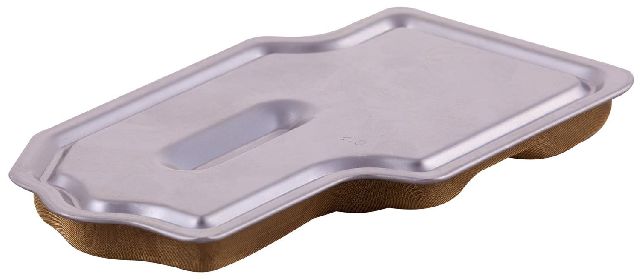
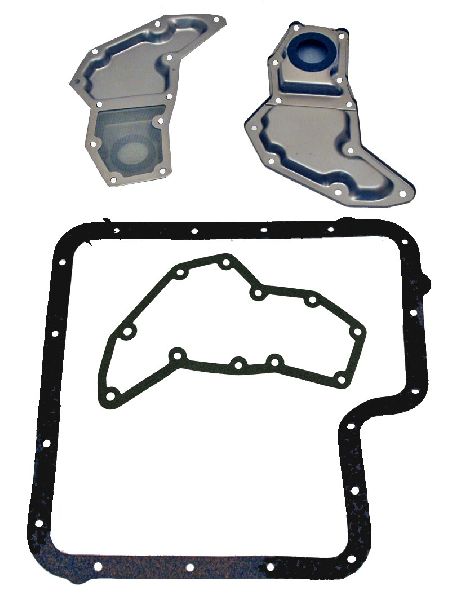
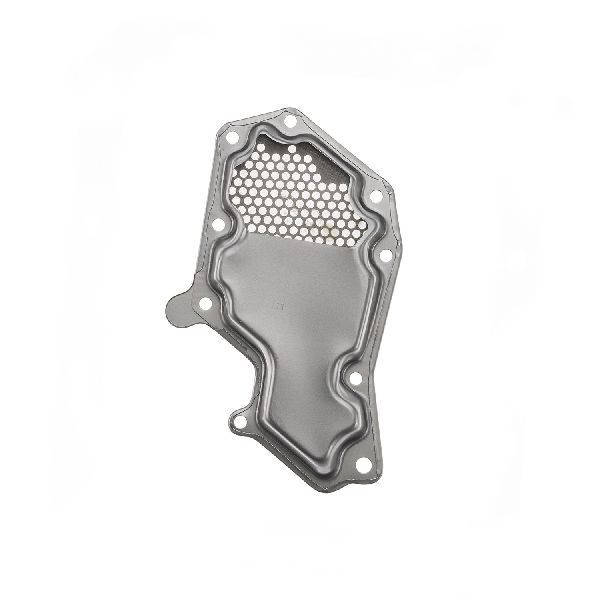
When you buy a kit, you're getting the filter (a simple screen) and a pan gasket. The gasket is arguably the more important component for preventing leaks.
- Good (Entry-Level): Kits from brands like Pioneer Cable often represent the budget-friendly tier. They are functional, but may come with a basic cork or lower-quality rubber gasket. These can work but may be less forgiving during installation and more prone to future leaks if not installed perfectly.
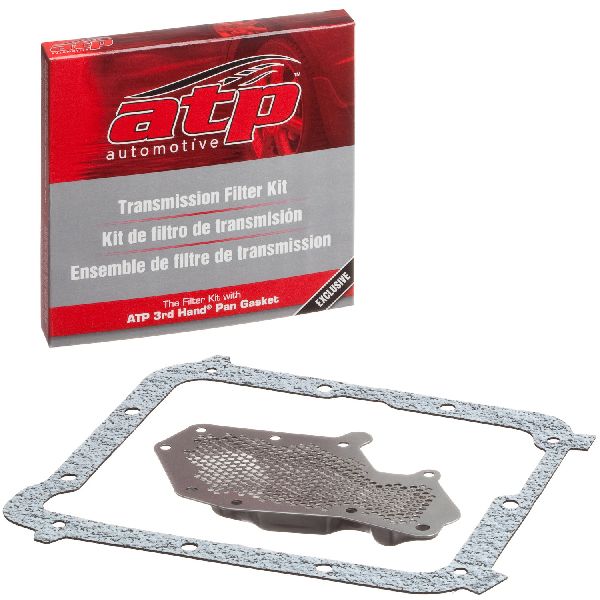
- Better (Mid-Grade): Brands like Premium Guard and ATP often provide a better value. ATP is known for its fiber gaskets that can help prevent leaks, and some kits feature a "third hand" design with undersized bolt holes to hold the gasket in place during installation. Premium Guard also focuses on OEM fit and provides high-quality rubber gaskets.
- Best (Premium): Wix is a well-regarded name in filtration. While they may re-box filters from other manufacturers, their quality control is generally trusted. The main advantage here is peace of mind and often a superior gasket material like neoprene or a high-quality composite, which resists leaks better than cork.
Pro Tip: Gasket Matters Most
Many experienced mechanics will buy a basic filter kit and throw away the included gasket in favor of a high-quality, separate one like a Fel-Pro or a modern rubber/neoprene gasket. For the C4 transmission, a composite or neoprene gasket provides a much better seal than the old-style cork gaskets and is less likely to leak.
🎬 See this C4 gasket and filter change walkthrough with tipsTypical Cost for a Transmission Filter Kit
This is a very affordable DIY project. Even if you have a shop do the work, the labor cost is minimal.
| Item | Cost Range |
|---|---|
| New Aftermarket Filter Kit | $12.19 - $56.59 |
| Shop Labor | $100 - $200 |
| Transmission Fluid (Type F) | $30 - $60 |
Frequently Asked Questions (FAQ)
How often should I change my Bronco's transmission filter?
For a classic vehicle like the 1973-1977 Bronco, a good rule of thumb is to change the transmission fluid and filter every 30,000 miles or every 2-3 years, whichever comes first. 🎬 Watch: A complete guide to transmission maintenance on a Bronco If you frequently use your Bronco for towing or heavy off-roading, you should consider doing it more often.
What kind of transmission fluid do I need?
The Ford C4 transmission in this era requires Type F automatic transmission fluid. Using other types like Mercon or Dexron can cause shifting problems and damage to the clutch materials. Always double-check your owner's manual or a reliable service guide.
Is replacing the transmission filter a good DIY job?
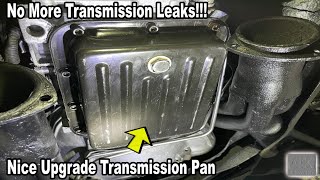
Yes, this is a great job for a home mechanic. It's messy but straightforward. The basic steps involve safely raising the vehicle, placing a large drain pan underneath, unbolting the transmission pan, replacing the filter and gasket, and then reinstalling the pan and refilling with fluid. Be careful not to overtighten the pan bolts, as this can deform the pan and cause leaks.
Are there any recalls or TSBs for my Bronco's transmission?
Searches for this specific period (1973-1977) did not reveal any recalls or Technical Service Bulletins (TSBs) from the NHTSA related to the C4 transmission filter or widespread transmission failures. Most issues that arise today are due to age, wear, or improper maintenance rather than a factory defect. Recalls found for "Ford Bronco transmission" are for much newer models.
Helpful Videos
Technical Specifications
OEM Part Numbers: D3TZ-7A098-C D3BZ-7A098A
Fits Ford C4 Automatic Transmission (1973-1977 Bronco specific). Kit includes filter screen and pan gasket.
We Have This Part in Stock


The information in this article is provided for general reference and educational purposes only. Vehicle specifications, procedures, and part compatibility can vary by production date, trim level, and region. Always consult your vehicle's factory service manual and verify part numbers before purchasing or performing repairs. Safety-critical components such as airbags, seat belts, and braking systems should be installed by a qualified professional.