

Choosing Front Disc Brake Rotors for Your 1973-1977 Ford Thunderbird
Stop the shake and improve your classic Thunderbird's braking with the right aftermarket rotors.
- Always replace disc brake rotors in pairs on the same axle to ensure safe, even braking.
- For a classic car, spending a little extra on coated rotors from brands like Centric, Raybestos, or Bendix prevents rust and keeps wheels looking clean.
- Modern aftermarket rotors often provide better quality and longevity than the original 1970s parts.
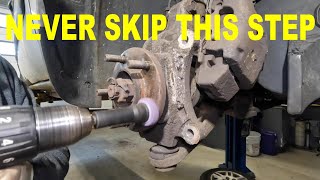
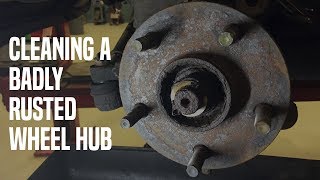
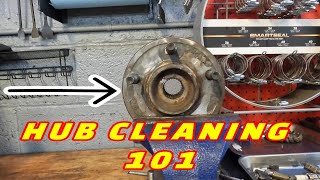
- Thoroughly cleaning the wheel hub of all rust before installing the new rotor is critical to prevent vibration.
Symptoms of a Bad or Failing Disc Brake Rotor
When your Thunderbird's rotors are worn out, they will give you clear warning signs. Ignoring them can lead to poor stopping performance and damage to other brake components.
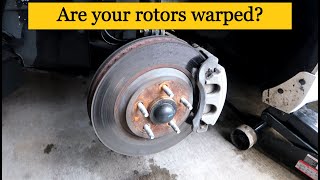
- Vibration or Pulsing: The most common symptom is a pulsing sensation in the brake pedal or a vibration in the steering wheel when you apply the brakes. This is typically caused by the rotor surface becoming uneven, a condition often called 'warping'. 🎬 Watch: 6 signs of warped rotors and what causes it.
- Grinding or Squealing Noises: A loud grinding or scraping noise when braking usually means the brake pads are completely worn away and the metal backing plate is digging into the rotor. A rhythmic squeak or groan can also point to a warped rotor.
- Visible Damage: A visual inspection can reveal a lot. Look for deep grooves, scoring, or heavy rust on the rotor's surface. Blue or dark spots are a sign the rotor has been severely overheated, which can compromise the metal's integrity.
- Reduced Stopping Power: If your car is taking longer to stop than it used to, worn rotors could be a contributing factor.
Choosing the Right Aftermarket Rotor
For a classic car like the 1973-1977 Thunderbird, new Original Equipment Manufacturer (OEM) rotors from Ford are no longer available. The good news is that today's aftermarket parts often use more advanced metallurgy and manufacturing techniques than the originals from the 1970s. The key is to choose a quality brand. All rotors should be replaced in pairs (both front wheels) to ensure even braking.
Good: Standard Replacement Rotors
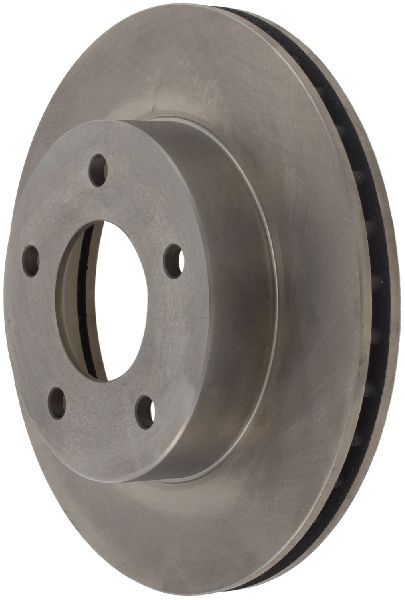
These are your basic, budget-friendly options. They meet or exceed original factory specifications and are a perfect choice for a daily or occasional driver. Brands like Centric's C-TEK line or Raybestos' R-Line fall into this category. They offer reliable performance at a great price, but they typically do not have protective coatings, meaning the hat (the center part of the rotor) will develop surface rust over time.
Better: Coated OEM-Quality Rotors
This is the sweet spot for most owners. These rotors feature a special coating (often black or grey) on the hat and inside the cooling vanes. This coating provides excellent long-term rust protection, keeping your wheels looking clean. This is a great feature for a classic car that might see occasional washing or get caught in the rain. Look for brands like Bendix, Centric Premium, or Raybestos Element3. They offer the durability of a standard rotor with the added benefit of corrosion resistance.
Best: Enhanced Coated Rotors
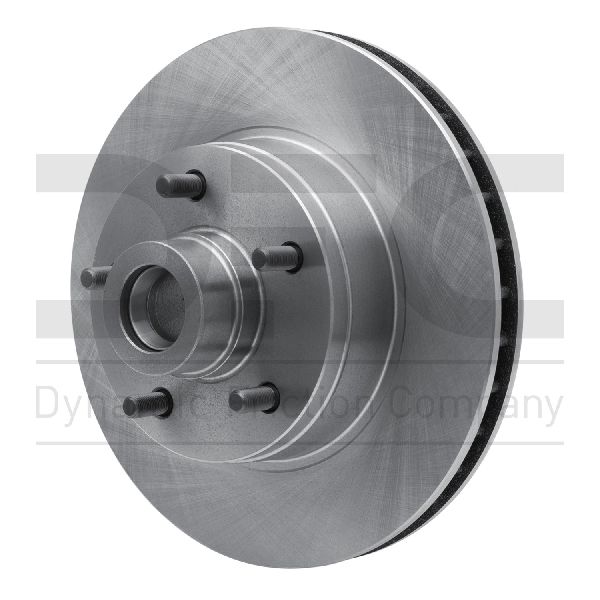
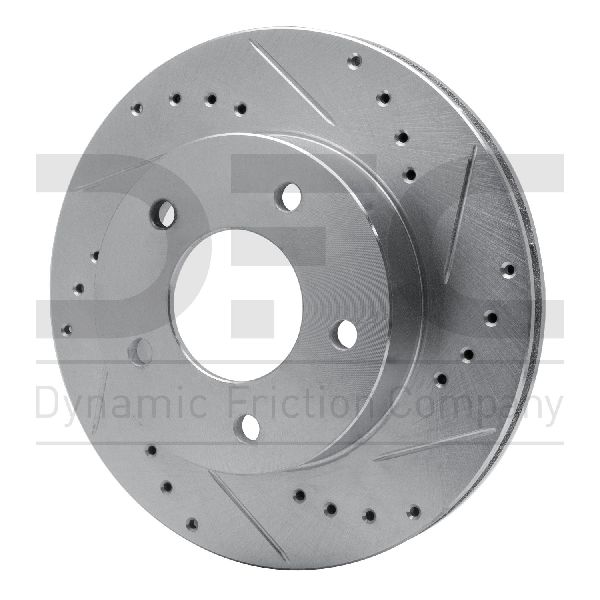
For those who want the best appearance and durability, brands like Dynamic Friction (DFC) offer fully coated rotors. These rotors often feature advanced coatings that cover the entire rotor surface, including the braking area (this light coating is safely scrubbed off by the pads in the first few stops). This ensures maximum rust protection out of the box and a clean look behind your Thunderbird's wheels.
Aftermarket Brand Quality Tiers
| Tier | Brands | Key Feature | Best For |
|---|---|---|---|
| Good | Centric C-TEK, Raybestos R-Line | Uncoated, meets OEM specs | Budget-conscious repairs, dry climates |
| Better | Bendix, Centric Premium, Raybestos Element3 | Coated hat and vanes for rust protection | Most owners, providing the best balance of value and performance. |
| Best | Dynamic Friction Coated | Full rotor coating for superior rust prevention | Show cars or owners demanding the cleanest look and longest life. |
Pro Tip: Clean the Hub!
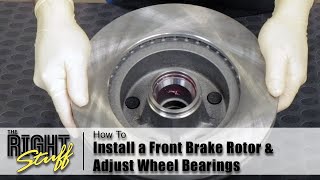
Before installing a new rotor, it is critical to clean any rust or debris from the wheel hub's mounting surface. Even a small amount of rust can cause the new rotor to sit at a slight angle, leading to the same vibration and pulsing you were trying to fix. Use a wire brush to clean the surface until it is smooth, bare metal.
🎬 Watch: How to clean a wheel hub perfectly every time.Frequently Asked Questions (FAQ)
Do I have to replace my rotors in pairs?
Yes. You should always replace disc brake rotors on the same axle at the same time. This ensures that braking performance is even on both sides of the vehicle, which is critical for safety. Replacing only one rotor can cause the car to pull to one side during braking.
Can I just 'turn' or 'resurface' my old rotors?
While rotor machining (turning) was once common, it is less so today. The process involves removing a thin layer of metal to create a new, flat surface. For a classic car, finding a shop with the right equipment might be difficult. Given the affordable price of new aftermarket rotors, replacement is almost always the better and safer option, as it provides a full-thickness rotor with fresh metallurgy.
What are 'coated' rotors and are they worth it for my Thunderbird?
Coated rotors have a protective layer applied to the non-braking surfaces, like the center hat and cooling vanes. This prevents rust and corrosion, which is a major cosmetic and longevity benefit for a classic car. Given the small price difference, coated rotors from brands like Centric, Raybestos, or Bendix are highly recommended.
Do I need special tools to replace my rotors?
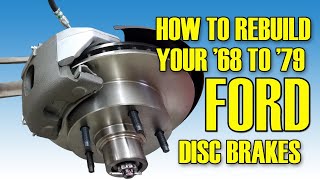
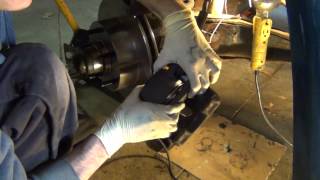
Replacing rotors on a 1973-1977 Thunderbird requires basic hand tools like a socket set, wrenches, a jack, and jack stands. You won't need highly specialized tools, but a C-clamp or piston compression tool to retract the caliper piston is very helpful. The most common challenge is dealing with bolts that may be rusted in place.
Helpful Videos
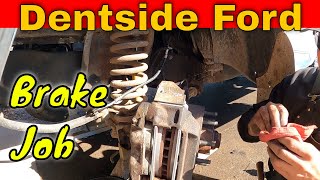
Technical Specifications
The 1973-1977 Ford Thunderbird uses a front disc, rear drum brake system. The front rotors are a vented, one-piece hub-and-rotor assembly. The specific diameter and thickness can vary, so ordering by your vehicle's exact year is crucial.
We Have This Part in Stock

The information in this article is provided for general reference and educational purposes only. Vehicle specifications, procedures, and part compatibility can vary by production date, trim level, and region. Always consult your vehicle's factory service manual and verify part numbers before purchasing or performing repairs. Safety-critical components such as airbags, seat belts, and braking systems should be installed by a qualified professional.
- 🎬 Helpful Videos
- 🛍️ Shop This Part
- Symptoms of a Bad or Failing Disc Brake Rotor
- Choosing the Right Aftermarket Rotor
- Good: Standard Replacement Rotors
- Better: Coated OEM-Quality Rotors
- Best: Enhanced Coated Rotors
- Aftermarket Brand Quality Tiers
- Pro Tip: Clean the Hub!
- Frequently Asked Questions (FAQ)
- 🎟️ Get 5% Off