

1973-1978 Buick Century Parking Brake Cable: A Replacement Guide
Don't let a worn-out cable compromise the safety of your classic Buick Century.
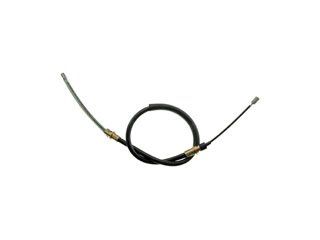
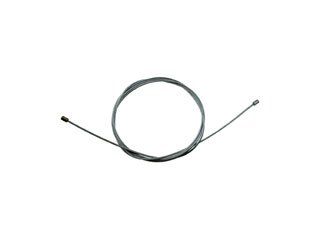
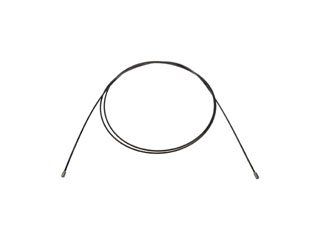
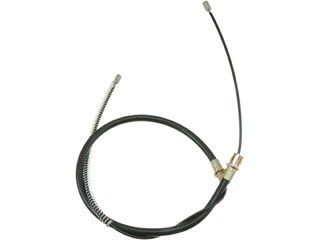
- Your Century has three cables (front, rear left, rear right); inspect to identify which one has failed before ordering.
- Both Dorman and Raybestos aftermarket cables have reported fitment issues; be prepared for potential adjustments or returns.
- Always compare the new cable to your old one before installation to check for differences in length and fittings.
- A stretched or rusted cable should be replaced, as adjustment is only a temporary solution for minor slack.
Symptoms of a Failing Parking Brake Cable
On a car from the 1970s, parking brake cables fail from age, rust, and stretching. The signs are usually obvious and should not be ignored.
- Loose or Spongy Pedal: If the parking brake pedal feels loose, has too much travel, or goes to the floor with little resistance, the cable has likely stretched or snapped.
- Car Won't Hold on a Hill: The most direct symptom is when the parking brake is fully applied, but the car still rolls on an incline. This means the cable isn't transferring enough force to the brakes.
- Brake Fails to Release: Rust and corrosion can cause the cable to seize inside its protective sheath. This can lead to the parking brake sticking on, causing the rear brakes to drag, overheat, and wear out prematurely.
- Visible Damage: A quick look under the car may reveal a frayed, rusted, or broken cable. Sometimes the metal stops on the cable ends can pull loose.
Choosing the Right Aftermarket Cable: Dorman vs. Raybestos
For a vehicle like the 1973-1978 Buick Century, finding new original equipment (OEM) parts is nearly impossible. Your only realistic option is the aftermarket. The two main brands available are Dorman and Raybestos. Based on owner experiences across various classic car communities, neither brand is a guaranteed perfect fit, so it's important to know what you might be getting into.
| Brand | General Reputation & Quality Assessment |
|---|---|
| Dorman | Dorman's quality is often described as "hit or miss." Some owners find their parts fit and work just like the original. However, many others report issues, including cables that require modification to fit properly. For example, a user noted the end of a Dorman cable had to be ground down to fit into its bracket. While their products are widely available, be prepared to potentially make small adjustments. |
| Raybestos | While Raybestos is a respected name in brakes, their aftermarket cables have received specific criticism. Multiple forum users have reported that the press-fit ends that secure the cable to the brake backing plate are incorrectly sized, being too small to hold securely. This can cause the cable to be loose and ineffective. Some owners have expressed strong dissatisfaction with the fitment of these parts. |
Pro Tip: Compare Before You Install
Regardless of which brand you choose, the best practice is to lay the new cable next to the old one before starting the installation. Carefully compare the overall length, the sheath length, and the style and size of the end fittings. Catching a major difference at this stage can save you hours of frustration under the car.
Typical Replacement Costs
The cost to replace a parking brake cable is reasonable, with the parts themselves being inexpensive. Labor makes up the majority of the cost if you have a shop do the work.
| Part/Service | Estimated Cost |
|---|---|
| New Aftermarket Cable (Dorman, Raybestos) | $25.46 - $54.56 |
| Shop Labor | $150 - $250 |
| Total Estimated Cost | $175 - $305 |
Note: Labor costs are estimates and can vary based on shop rates and your vehicle's condition. A rusty vehicle may require more labor time.
Frequently Asked Questions
Do I need the front, rear left, or rear right cable?
Your Buick Century has three separate cables. The single front cable runs from the pedal to a component called an equalizer. From there, two rear cables (left and right) run to each wheel. You must first inspect your system to see which specific cable has failed. It's common for the rear cables to fail from rust and road debris, but the front cable can also stretch or break.
Can't I just adjust my old cable?
You can, but it's often a temporary fix. There is an adjustment nut on the cable system, usually where the front cable meets the equalizer, that can take up some slack. However, if the cable is stretched beyond its adjustment range, is internally rusted, or is frayed, replacement is the only safe and reliable solution. Adjusting a seized cable will not make it work.
How difficult is the replacement?
For a DIY mechanic, this job is moderately difficult. It requires safely lifting and supporting the vehicle, removing the rear wheels and brake drums, and working under the car. The hardest part is often compressing the small metal fingers that hold the cable housing into the brake backing plate. Expect it to be a dirty job that can take a few hours.
What if the new aftermarket cable doesn't fit right?
This is a known issue with aftermarket cables for older vehicles. If an end fitting is too small, some mechanics may try to modify the bracket or cable, but this is not ideal. If the cable is the wrong length, it is unusable. The best course of action is to contact the seller for a return or exchange and try the other available brand, emphasizing the importance of comparing the new part to the old one before installation.
Technical Specifications
Due to the vehicle's age, original OEM part numbers are difficult to verify and are not reliable for sourcing. Parts should be selected based on the vehicle's year (1973-1978), model (Century), and the specific cable position required (Front, Rear Left, or Rear Right). The system uses a foot-pedal actuator and rear drum brakes.
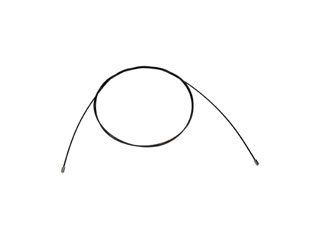
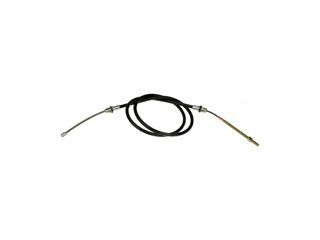
We Have This Part in Stock

The information in this article is provided for general reference and educational purposes only. Vehicle specifications, procedures, and part compatibility can vary by production date, trim level, and region. Always consult your vehicle's factory service manual and verify part numbers before purchasing or performing repairs. Safety-critical components such as airbags, seat belts, and braking systems should be installed by a qualified professional.