

A Dodge Dart Owner's Guide to Radiator Coolant Hoses (1973-1978)
Don't let a bad radiator hose leave your classic Dart stranded on the side of the road.
- Always use molded radiator hoses specifically for your Dart's year and engine; avoid universal flex hoses.
- Gates is often preferred for better fit, but Dayco is also a reliable brand.
- The internal spring from the old lower hose must be transferred to the new one to prevent collapse.
- Replace your hose clamps at the same time as the hoses for a leak-free repair.
Signs of a Failing Radiator Hose
For a car from the 70s, age is the biggest enemy of rubber parts. Inspect your hoses during every oil change. Look for these clear warning signs:
- Visible Leaks or Drips: Puddles of green, yellow, or orange coolant under the front of your car are the most obvious sign. You might also see dried coolant stains (a whitish or colored crust) on the hoses or engine parts nearby.
- Cracks and Brittleness: If the hose looks cracked, feels hard, or makes a crunching sound when you squeeze it (with the engine cold!), it's very old and ready to fail.
- Bulging or Swelling: A bulge in the hose, especially near the clamps, means the internal structure has failed. This hose is a time bomb and could burst at any moment.
- Spongy or Soft Spots: If any part of the hose feels soft or mushy, it has likely been contaminated by oil or is breaking down from the inside. It needs to be replaced immediately.
Critical Failure Warning
A complete hose failure will cause your engine to lose all its coolant in minutes. This will lead to rapid overheating and can result in a cracked engine block or warped cylinder head. Never ignore a suspect radiator hose.
Choosing the Right Aftermarket Hose
For a 1973-1978 Dodge Dart, finding original Mopar (OEM) hoses is nearly impossible. If you did find one, it would be "New Old Stock" (NOS), and the rubber would likely be too old to be trustworthy. Aftermarket hoses are the standard, and modern rubber compounds are often superior to what was available in the 1970s.
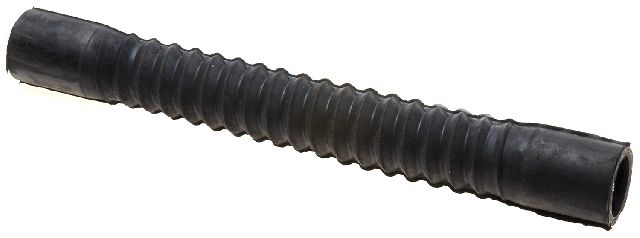
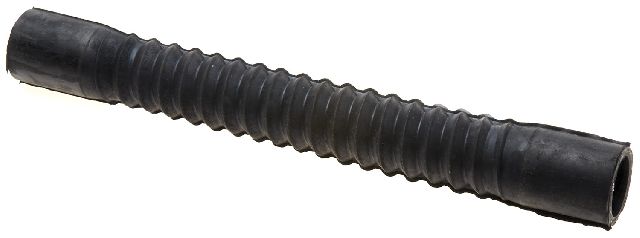
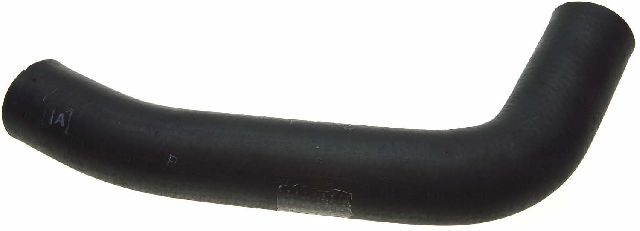
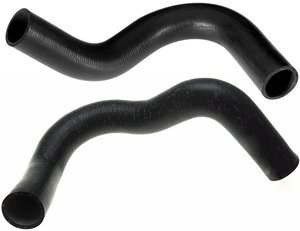
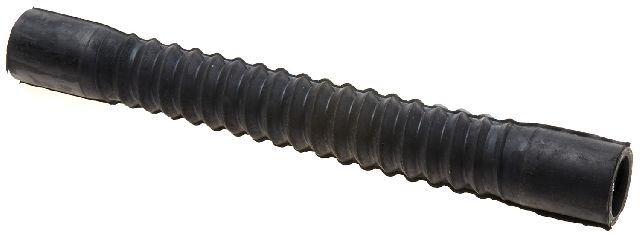
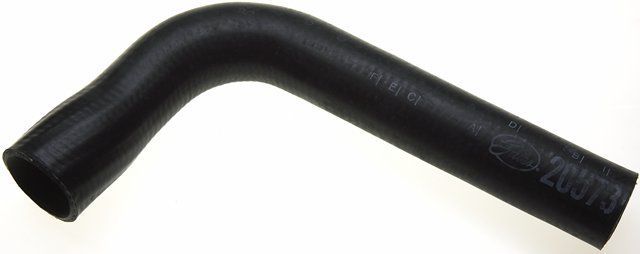
The most important factor is getting a molded hose. These are pre-shaped to fit your Dart's specific engine and radiator layout perfectly. Avoid using a universal or flexible "ribbed" hose, as they can easily kink, restrict coolant flow, and cause overheating.
Brand Quality: Gates vs. Dayco
Both Gates and Dayco are well-known aftermarket brands that produce reliable hoses. However, based on owner feedback in classic car forums, there are some differences:
- Gates: Often considered the premium choice. Owners report that Gates hoses tend to have a more accurate shape, closer to the original factory fit. This can make installation easier and reduce the risk of kinks or rubbing.
- Dayco: A solid, dependable option that is widely available. While generally good quality, some owners have noted occasional fitment issues where the hose might be slightly off-shape compared to the original. This isn't always the case, and sometimes a Dayco hose may fit an application perfectly well.
Pro Tip: When possible, compare the new hose to your old one before installation to ensure all the bends and angles match up. This is especially important for classic cars where parts from different years or models may have been swapped in by previous owners.
Estimated Replacement Costs
The cost to replace radiator hoses on a '73-'78 Dart is very reasonable, especially if you do it yourself. The parts are inexpensive, and the job is straightforward.
| Part/Service | Estimated Cost |
|---|---|
| Aftermarket Radiator Hoses (Upper & Lower) | $22 - $54 |
| Shop Labor | $100 - $200 |
| Total Professional Replacement | $122 - $254 |
Frequently Asked Questions
Do I need a spring in the lower radiator hose?
Yes. The lower hose is on the suction side of the water pump. The internal spring prevents the hose from collapsing under vacuum, which would starve the engine of coolant. Many new aftermarket hoses do not come with a spring. You should carefully remove the spring from your old hose and install it in the new one.
Should I replace my hose clamps at the same time?
Absolutely. Old clamps can lose their tension or corrode, leading to leaks even with a new hose. It's highly recommended to use new clamps. Many mechanics prefer modern spring-style clamps over the screw-type (worm gear) clamps, as they provide more consistent pressure as the hose expands and contracts with temperature.
How many radiator hoses does my Dart have?
Your Dart's main cooling system has two primary radiator hoses: an upper hose and a lower hose. You may also have smaller heater hoses and a bypass hose, which should also be inspected and replaced if they show signs of age or wear.
Can I use a universal flexible hose?
It is strongly recommended that you do not. Universal hoses do not have the correct pre-formed bends for your Dart. They can easily kink or rub against other components, leading to restricted flow or premature failure. Always use a molded hose designed for your vehicle.
Technical Specifications
Construction: Molded EPDM Rubber. The lower hose requires an internal anti-collapse spring. Fitment varies based on engine size (Slant-6 vs. V8) and options like air conditioning.
We Have This Part in Stock

The information in this article is provided for general reference and educational purposes only. Vehicle specifications, procedures, and part compatibility can vary by production date, trim level, and region. Always consult your vehicle's factory service manual and verify part numbers before purchasing or performing repairs. Safety-critical components such as airbags, seat belts, and braking systems should be installed by a qualified professional.