

1973-1978 Ford Mustang Starter Solenoid Replacement Guide
A failing starter solenoid can leave you stranded, but choosing the right replacement for your classic Mustang is straightforward.
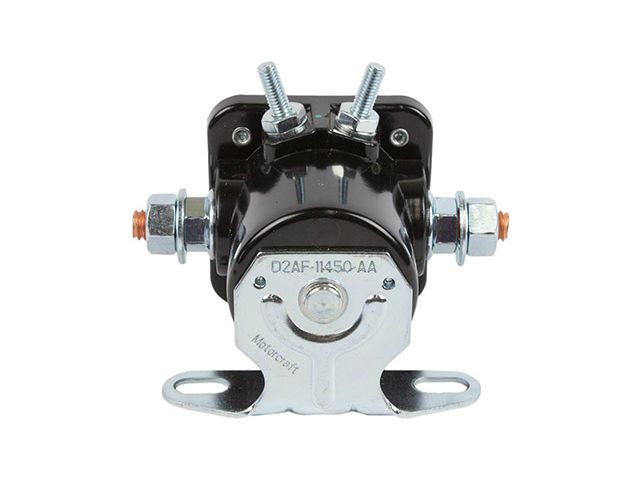
- The starter solenoid on a 1973-1978 Mustang is a fender-mounted relay, not part of the starter motor.
- A single loud click with no crank is the most common symptom of a failed solenoid.
- Heat soak (failure to start when hot) is a very common problem for this part on classic Fords.
- Replacement is very easy and a good first step in diagnosing a no-start condition.
Is Your Mustang's Starter Solenoid Failing?
A bad starter solenoid on a 1973-1978 Mustang has classic, easy-to-spot symptoms. Because this part is so critical for starting the engine, its failure is often mistaken for a dead battery or a bad starter motor. Knowing the signs can save you time and money.
Common Failure Symptoms:
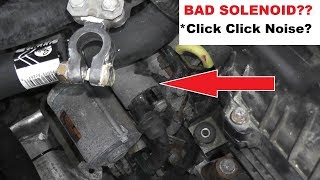
- Single Loud Click: The most common sign is a single, loud "click" from the engine bay when you turn the key, but the engine doesn't crank. 🎬 Watch: How to test a solenoid making a clicking sound. This means the solenoid is receiving the signal but failing to send full power to the starter.
- No Sound at All: Sometimes, the solenoid can fail internally, creating a dead spot. When you turn the key, nothing happens—no click and no crank. Trying the key several times might eventually work, indicating an intermittent connection issue inside the solenoid.
- Rapid Clicking Sound: A rapid series of clicks can sometimes point to a solenoid issue, but it's more often a sign of a low battery that can't provide enough power to keep the solenoid engaged.
- Engine Won't Start When Hot (Heat Soak): A very common issue with these Fords is heat soak. The engine starts fine when it's cold, but after a drive, it won't restart until it has cooled down for a while. High engine bay temperatures increase resistance in the solenoid's internal windings, preventing it from working correctly.
- Starter Stays Engaged: In rare cases, the solenoid's internal contacts can weld themselves together. This will cause the starter motor to keep running even after you've released the key, which can seriously damage the starter and flywheel.
Heat Soak is a Known Issue
The fender-mounted location on these Mustangs was an attempt to avoid the heat-soak problems common on starter-mounted solenoids. However, due to engine bay temperatures, especially with V8 models or aftermarket headers, the fender-mounted units can still fail when hot. If your car only has starting problems after it's warmed up, you are likely experiencing heat soak.
Choosing a New Aftermarket Starter Solenoid
For a part this critical, quality matters. While a Motorcraft part is the original equipment choice, several aftermarket brands offer reliable alternatives. The key difference often comes down to the quality of the internal materials, like the copper windings and contact points.
Brand Quality & Tiers
- Motorcraft (OEM): Generally considered the most reliable, long-lasting option by Ford enthusiasts. If you want a fit-and-forget part that matches the original's quality, Motorcraft is the benchmark. Many owners report that aftermarket solenoids are lighter and feel less durable than original Motorcraft units.
- Standard Ignition (Standard Motor Products): A well-respected aftermarket brand that produces quality replacement parts. Their T-Series solenoids are designed to meet original specifications and are a solid choice if a Motorcraft part isn't available.
- Accel (Performance): Accel offers a performance-oriented solenoid, often featuring a chrome finish and heavy-duty internals designed to handle severe conditions and reduce voltage drop. This is a good option for modified vehicles or for owners who want extra durability, especially against issues like heat soak.
Pro Tip: When replacing your solenoid, also take the time to clean all your battery cable connections, including the main ground to the engine block and the cable running to the starter. Poor connections can cause symptoms that mimic a bad solenoid.
Cost of a New Starter Solenoid (1973-1978 Ford Mustang)
| Part Type | Estimated Price Range |
|---|---|
| New Aftermarket (Accel, Standard Ignition) | $49.14 - $58.50 |
| New OEM (Motorcraft) | $60 - $75 |
| Shop Labor | $50 - $100 |
Pricing is estimated and may vary based on location and supplier.
Frequently Asked Questions
Where is the starter solenoid located on my 1973-1978 Mustang?
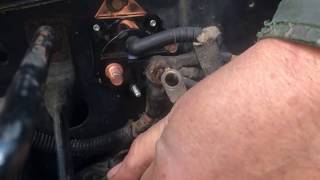
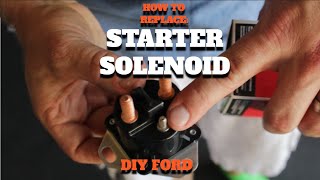
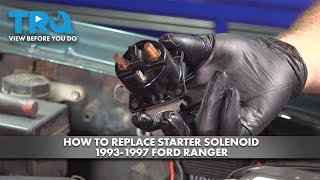
The starter solenoid is located in the engine bay, typically mounted to the inner fender or firewall on the passenger side. It's a small cylindrical part with two large posts for the battery cables and one or two smaller posts for the ignition switch wires.
Can I replace the starter solenoid myself?
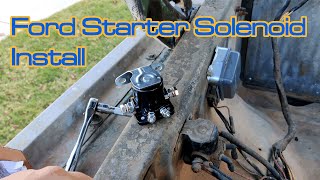
Yes, this is a very DIY-friendly job. The difficulty is low, requiring only basic hand tools. The process involves disconnecting the negative battery terminal, unbolting the wires from the old solenoid, removing two mounting bolts, and installing the new one in reverse order. The entire job usually takes less than 30 minutes.
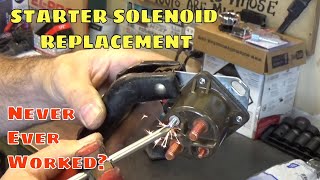
🎬 Watch this quick fix for a no-start, no-crank Ford engine.Is a single click when I turn the key always a bad solenoid?
While it's the most common symptom, a single click can also be caused by a seized starter motor or a very poor connection on a main battery cable. However, because the solenoid is inexpensive and easy to replace, it's often the first part to check and replace when diagnosing a no-crank issue.
Are there any recalls for the starter solenoid on these Mustangs?
A search of the National Highway Traffic Safety Administration (NHTSA) database shows no specific recalls for the starter solenoid on 1973-1978 Ford Mustangs. Any issues are related to age and wear rather than a manufacturing defect.
Helpful Videos
Technical Specifications
OEM Part Numbers: B6AZ11450B D2AF11450AA SW3
12V, 4-Terminal, Fender Mount, Intermittent Duty
We Have This Part in Stock


The information in this article is provided for general reference and educational purposes only. Vehicle specifications, procedures, and part compatibility can vary by production date, trim level, and region. Always consult your vehicle's factory service manual and verify part numbers before purchasing or performing repairs. Safety-critical components such as airbags, seat belts, and braking systems should be installed by a qualified professional.