

Ford Thunderbird HVAC Blower Motor Guide: 1973-1978 Models
Get your Thunderbird's heat and A/C moving air again by diagnosing and choosing the right replacement blower motor.
- Symptoms of failure include no airflow, weak airflow, or loud noises from the passenger dash area.
- If the fan only works on high, the blower motor resistor is likely the problem, but it's wise to replace both parts.
- Aftermarket brands like Continental offer premium quality, while Four Seasons provides a reliable, budget-friendly option.
- This is a manageable DIY repair for most owners with basic tools, saving on labor costs.
Is Your Thunderbird's Blower Motor Failing?
For a car like the 1973-1978 Thunderbird, the HVAC system is straightforward. When the blower motor starts to fail, the signs are usually obvious. You don't need complex tools to notice something is wrong.
- No Air From Vents: The most common symptom is a complete lack of airflow when you turn the fan on. You might hear a faint click, but no air moves.
- Weak Airflow: The fan blows, but it feels weak even on the highest setting. Owners have reported this issue, sometimes suspecting a blockage, but a worn-out motor is often the cause.
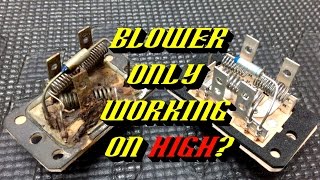
- Fan Only Works on High: If you can only get air on the highest fan setting, this usually points to a failed blower motor resistor, not the motor itself. The resistor controls the lower speeds, and the high setting bypasses it. It's common to replace the resistor and motor at the same time.
- Unusual Noises: Squealing, grinding, or rattling sounds from the passenger side dash or firewall area when the fan is on are clear signs of trouble. This can be caused by worn-out motor bearings or debris hitting the fan cage.
Choosing the Right Aftermarket Blower Motor
Original Ford (OEM) blower motors for a vehicle of this age are practically impossible to find new. The good news is that the aftermarket offers several reliable options that fit and function correctly. Aftermarket parts are not only available but are often more affordable than OEM ever was. Here’s a breakdown of common brand tiers you'll encounter.
Pro Tip: Check Your Resistor
Before ordering a new motor, check your blower motor resistor. It's a small part that controls fan speeds. If your fan only works on high, the resistor is the likely culprit. Given the age of the vehicle, it's smart to replace both the motor and the resistor together to save yourself from doing the job twice.
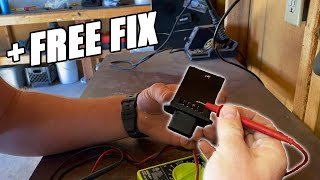
🎬 See how to inspect and test your blower motor resistor.Brand Quality Tiers
When shopping, you'll see brands like Continental, Four Seasons, and Global Parts. They represent different levels of quality and price.
- Premium Aftermarket (Example: Continental): Continental is a well-respected manufacturer that often supplies original parts to automakers. Choosing a blower motor from them generally means you are getting a part built to a very high standard, often resulting in quieter operation and a longer lifespan.
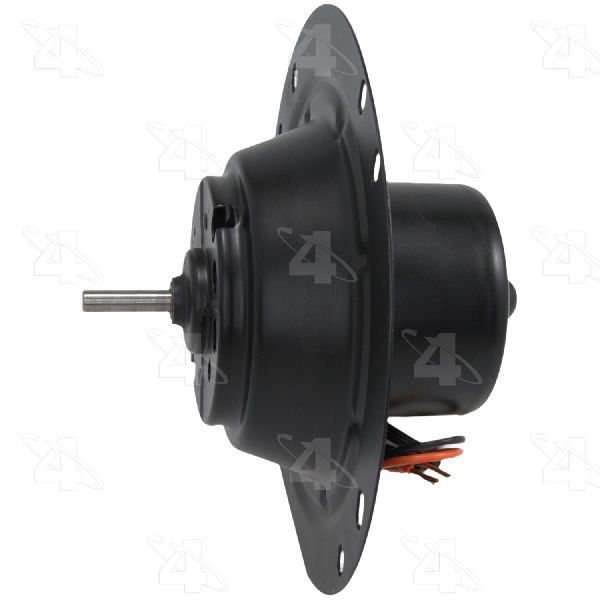
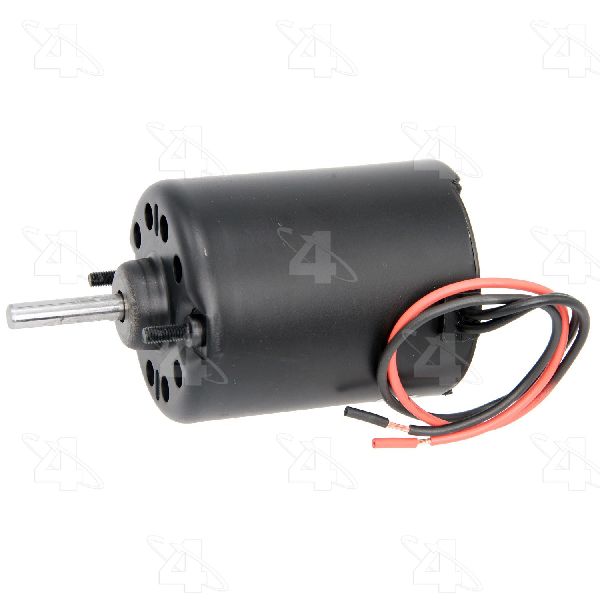
- Standard Aftermarket (Example: Four Seasons): Four Seasons is a huge name in the aftermarket HVAC world. Their parts are known for being affordable and widely available. While some users report they can be slightly noisier than a premium brand, they are a solid, cost-effective choice that gets the job done.
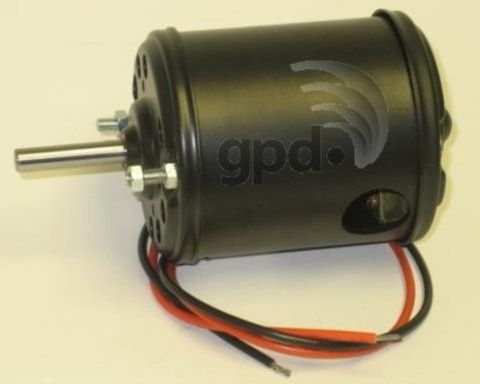
- HVAC Specialists (Example: Global Parts/GPD): GPD is another brand that focuses specifically on climate control components. They offer a good balance of quality and value, making them a reliable choice for your Thunderbird.
Cost of Replacing Your Thunderbird's Blower Motor
Replacing the blower motor on a classic car like this is a manageable job for a DIY mechanic. The part itself is affordable, and labor at a shop shouldn't be excessive.
| Part/Service | Estimated Cost |
|---|---|
| New Aftermarket Blower Motor | $48 - $94 |
| Shop Labor | $110 - $220 |
| Total Estimated Cost (at a shop) | $158 - $314 |
A Note on Installation
While there are no specific recalls or service bulletins for the 1973-1978 Thunderbird's blower motor, accessing it can be tricky. On similar Fords from this era, the motor is typically on the passenger side, either under the hood on the firewall or inside under the dashboard. You may need to remove the glove box or work around the A/C plenum. Be prepared for tight spaces and potentially brittle plastic or wiring.
🎬 Watch this step-by-step removal guide for late 70s Thunderbirds.Frequently Asked Questions
Why does my fan only work on the 'High' setting?
This is a classic symptom of a failed blower motor resistor, not the motor itself. The resistor controls the lower fan speeds. The 'High' setting sends full battery voltage directly to the motor, bypassing the resistor. It's a separate, inexpensive part that is often replaced at the same time as the motor.
Is a noisy blower motor a serious problem?
A noisy motor is a sign that it's failing. While it won't leave you stranded, the noise will only get worse. Eventually, the motor will seize completely, leaving you without heat or defrost capabilities, which can be a safety issue in cold or wet weather.
Can I replace the blower motor myself?
Yes, this is a very feasible DIY job for someone with basic mechanical skills. The main challenges are accessing the motor's mounting screws and electrical connector, which can be in a tight spot under the dash or on the firewall. You'll need basic hand tools like sockets and screwdrivers.
🎬 Watch this walkthrough for removing the motor on non-A/C models.Should I buy the cheapest aftermarket motor available?
While tempting, the cheapest options can sometimes be noisier or fail sooner. For a part that runs right in the cabin with you, spending a little more for a premium brand like Continental can lead to a quieter, more pleasant driving experience. However, standard brands like Four Seasons offer a great value and are a perfectly acceptable repair.
Helpful Videos

Technical Specifications
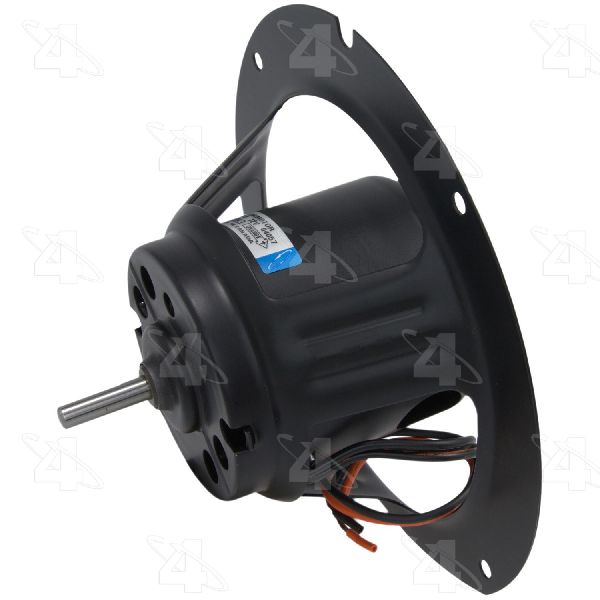
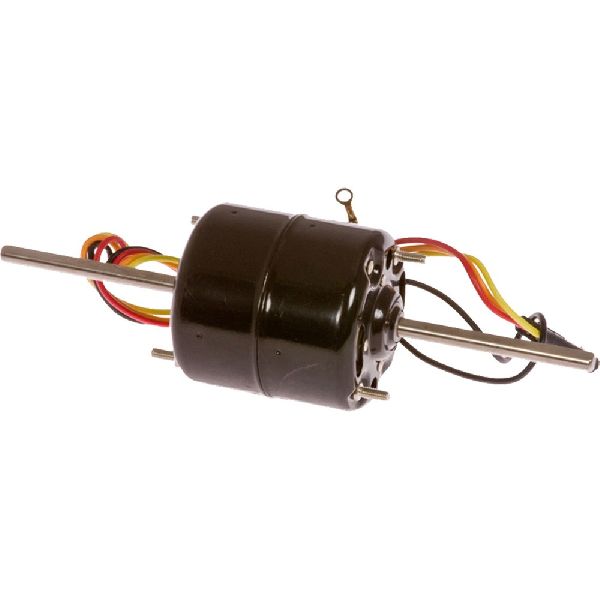
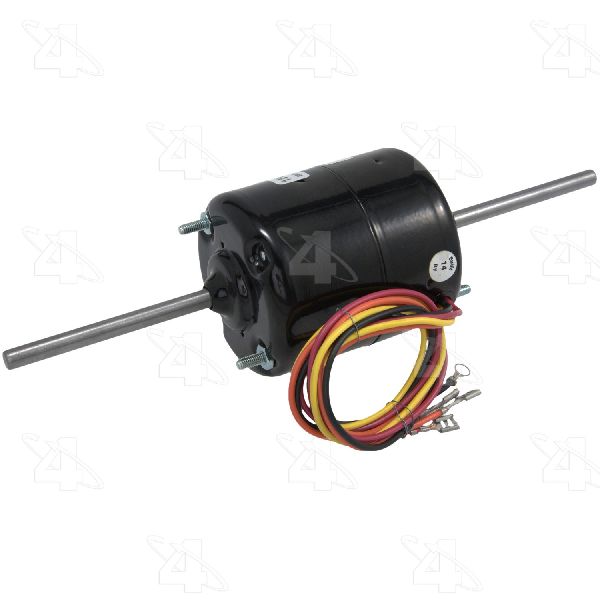
12-volt electric motor with attached 'squirrel cage' fan. Mounts to the HVAC housing on the passenger side.
We Have This Part in Stock

The information in this article is provided for general reference and educational purposes only. Vehicle specifications, procedures, and part compatibility can vary by production date, trim level, and region. Always consult your vehicle's factory service manual and verify part numbers before purchasing or performing repairs. Safety-critical components such as airbags, seat belts, and braking systems should be installed by a qualified professional.