

Accessory Drive V-Belt Guide for the 1973-1979 Audi Fox
Keep your classic Fox running reliably by understanding its essential V-belts.
- Your Audi Fox uses a V-belt system, not a single serpentine belt, and may have multiple belts.
- Inspect belts regularly for cracks, fraying, and proper tension to prevent being stranded.
- Squealing noises are a clear sign that a belt needs attention or replacement.
- Quality aftermarket brands like Continental, Gates, and Dayco offer reliable replacement options.
Understanding the V-Belts in Your Audi Fox
Your 1973-1979 Audi Fox uses a V-belt system, which was common for vehicles of its era. These are individual belts that loop around pulleys to power different accessories. This is different from a modern serpentine belt, which is one long, flat, ribbed belt that snakes around everything. The key takeaway is that your car may have more than one accessory belt, and they all need to be in good condition. These belts are made of durable rubber compounds, but heat, friction, and age will eventually cause them to wear out and require replacement.
Symptoms of a Failing V-Belt
A failing V-belt usually provides clear warning signs. Ignoring them can lead to a breakdown, as the belt powers critical systems. Be aware of the following:
- Squealing or Chirping Noises: This is the most common symptom. The noise is often worse when starting the engine cold or during sharp turns and will increase in pitch as the engine revs. It indicates the belt is slipping on the pulleys.
- Visible Wear and Damage: Regularly inspect the belts. Look for cracks, fraying, glazing (a shiny surface), or missing chunks. Any visible damage means the belt's integrity is compromised.
- Dimming Headlights or Battery Warning Light: If the belt driving the alternator is slipping or broken, the battery won't charge properly. You might notice flickering lights or a battery warning light on your dashboard.
- Engine Overheating: If the belt that drives the water pump fails, coolant will stop circulating through the engine. This will cause the engine to overheat quickly, which can lead to severe engine damage.
Critical Failure Warning
If a V-belt snaps while driving, your car will lose power to whatever component it was turning. This could mean an immediate loss of battery charging and/or engine cooling. Pull over safely as soon as possible if you suspect a belt has broken.
Choosing the Right Aftermarket V-Belt
For a vintage vehicle like the Audi Fox, OEM parts are generally unavailable. The aftermarket, however, provides excellent, high-quality options. Brands like Continental, Gates, and Dayco are well-regarded in the industry.
Premium Brands (OEM Quality):
- Continental: Often an original equipment manufacturer for German vehicles, Continental belts are known for their precise fit and durability. They are an excellent choice if you want peace of mind and OEM-level performance.
Standard, High-Quality Brands:
- Gates: A major name in the belt industry, Gates offers reliable and long-lasting V-belts that meet or exceed OEM specifications. They are a trusted, go-to option for many mechanics.
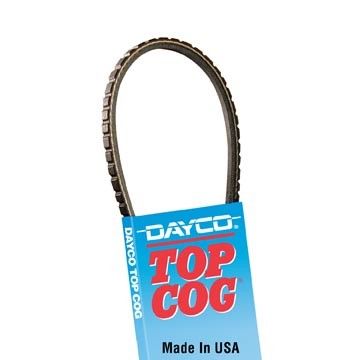
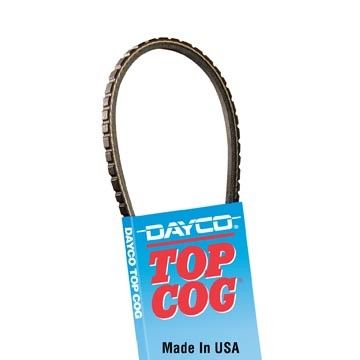
- Dayco: Dayco belts are another top-tier choice, known for their raw edge construction and durability, which helps them run cooler and last longer.
Pro Tip: Since the belts are inexpensive and critical to your engine's operation, it's wise to replace all of them at the same time, even if only one is showing signs of failure. Also, consider replacing the belt tensioner if it is worn.
Estimated Cost for an Accessory Drive Belt
| Part Type | Price Range |
|---|---|
| New Aftermarket (Continental, Gates, Dayco) | $22.24 - $28.39 |
| Shop Labor for Installation | $75 - $150 |
Frequently Asked Questions (FAQ)
How many accessory belts does my 1973-1979 Audi Fox have?
It depends on the accessories your car came with from the factory. At a minimum, you will have a belt for the alternator and water pump. If your car has air conditioning, it will likely have an additional belt for the A/C compressor. It is best to visually inspect your engine to confirm the number of belts.
What is the difference between a V-belt and a serpentine belt?
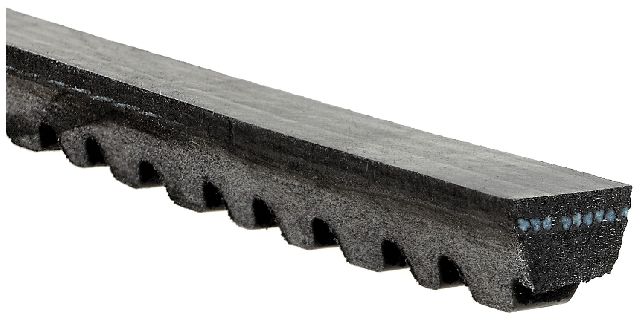
A V-belt is a trapezoidal-shaped belt that fits into a V-shaped groove on a pulley. Older cars like the Audi Fox use one or more V-belts to run accessories. A serpentine belt is a single, flat, multi-grooved belt that winds its way around all the engine accessories. V-belts are simpler but require individual tensioning.
How often should I replace the V-belts?
There is no exact mileage interval for a classic car. It's best to inspect the belts annually or every 10,000-15,000 miles. Due to age, heat, and use, rubber degrades over time. Belts should be replaced based on their condition (cracks, fraying, glazing) rather than a strict schedule. Given the low cost, proactive replacement every 4-5 years is a good preventative measure.
Can I replace the accessory drive belts myself?
Yes, this is a very DIY-friendly job on the Audi Fox. The process involves loosening the alternator or other accessory to release tension, removing the old belt, and installing the new one. You will then need to properly tension the new belt by hand before tightening the accessory back down. No special tools are typically required beyond standard wrenches.
Technical Specifications
Belt Type: V-Belt Common Size: 10mm Top Width, approx. 960mm Outside Length. Note: Multiple belt sizes may be required depending on factory options (e.g., with or without A/C). Always verify the correct size for each specific accessory drive.
We Have This Part in Stock

The information in this article is provided for general reference and educational purposes only. Vehicle specifications, procedures, and part compatibility can vary by production date, trim level, and region. Always consult your vehicle's factory service manual and verify part numbers before purchasing or performing repairs. Safety-critical components such as airbags, seat belts, and braking systems should be installed by a qualified professional.