

Radiator Coolant Hose Guide for the 1973-1979 Buick Electra
Keep your classic Electra's big V8 running cool by understanding when and how to replace its essential radiator hoses.
- Visually inspect your Electra's radiator hoses for cracks, bulges, or soft spots at every oil change.
- A burst hose can cause catastrophic engine damage; do not drive if you see steam or the temperature gauge is in the red.
- Choose a quality molded aftermarket hose from a brand like Gates or Continental for the best fit and longevity.
- Always replace hose clamps and check the condition of your radiator cap when replacing hoses.
Signs of a Failing Radiator Hose
On a classic car like the Buick Electra, rubber parts are often the first to wear out. It's important to inspect your radiator hoses regularly. A failure can happen suddenly and leave you stranded. Look for these common warning signs:
- Coolant Leaks: Puddles of green, yellow, or orange fluid under the front of your car are a major red flag. You might also notice a sweet smell after driving.
- Visible Damage: Check the hoses for cracks, splits, or fraying. Over time, the rubber becomes hard and brittle.
- Swelling or Bulging: Soft, spongy, or swollen spots on a hose mean it's getting weak from the inside and could burst at any moment. This can be caused by oil contamination or internal degradation.
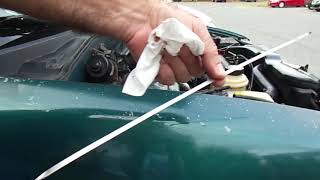
- Collapsed Hose: If a hose looks flattened or sucked inward 🎬 Watch this guide on fixing a radiator hose that's sucked in. (especially the lower hose), it could be due to a weak hose structure or a problem with the radiator cap creating a vacuum.
- Engine Overheating: If your temperature gauge climbs into the red, a failing hose could be the cause, preventing proper coolant flow.
Critical Failure Warning
A burst radiator hose will cause a rapid loss of coolant, leading to quick engine overheating and potential for major engine damage like a cracked block or warped cylinder heads. If you see steam coming from under the hood, pull over immediately and shut off the engine.
Choosing the Right Aftermarket Hose
For a vehicle from the 1970s, finding a "New Old Stock" (NOS) OEM GM hose is nearly impossible and often not recommended, as rubber degrades over time even when unused. Aftermarket brands are the go-to choice for keeping these classics on the road. The key is choosing a quality brand that ensures proper fitment.
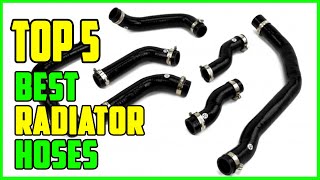
🎬 Check out this review of the best radiator hose brands.Brand Quality Tiers
- Top Tier (Gates, Continental): Gates is a highly respected name in the industry and was an original equipment supplier for many GM vehicles. Their hoses are known for good fitment and durability, engineered to resist collapse and electrochemical degradation. Continental is another premium brand with a strong reputation.
- Standard Tier (Dayco): Dayco is a widely available and generally reliable option. While most users find them acceptable, some have reported occasional fitment issues compared to Gates or OEM parts, where the bends might not be an exact match to the original. However, for many classic applications, they work perfectly fine.
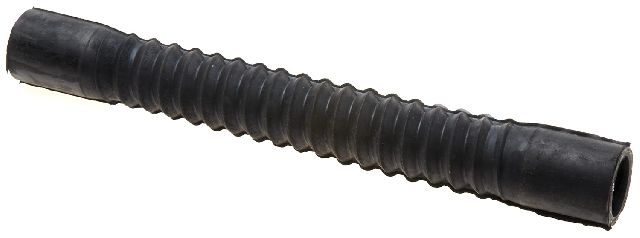
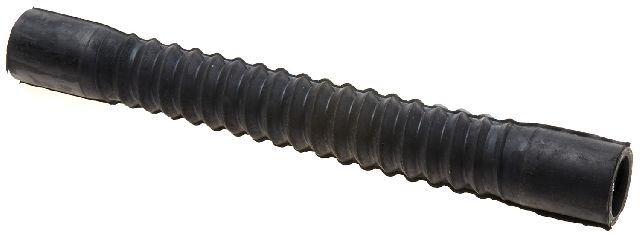
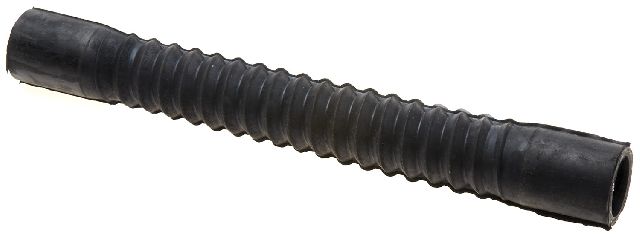
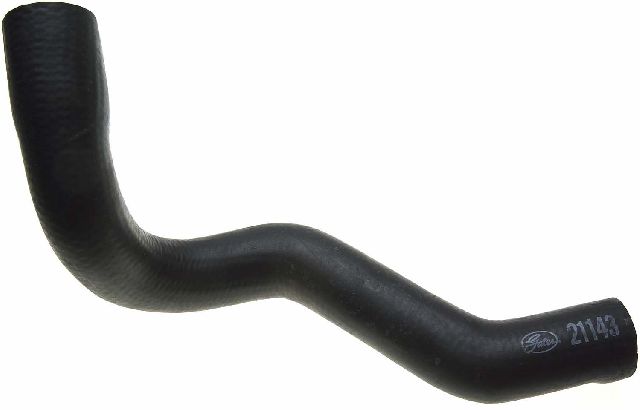
Pro Tip: Always choose a "molded" hose over a universal flexible one for your Electra. Molded hoses are pre-shaped to the exact curves needed to avoid contact with belts, pulleys, and other engine parts, ensuring a perfect fit and preventing rubbing or kinking.
Estimated Costs for Radiator Hose Replacement
| Part/Service | Estimated Cost |
|---|---|
| New Aftermarket Hoses (Upper & Lower) | $25.19 - $55.67 |
| Shop Labor | $100 - $200 |
| Total Estimated Cost | $125 - $256 |
Note: Prices are estimates and can vary based on your location and specific repair shop rates. This does not include the cost of new coolant.
Frequently Asked Questions (FAQ)
Should I replace the hose clamps at the same time?
Yes, absolutely. Old hose clamps can lose their tension or corrode, leading to leaks even with a new hose. It's a small, inexpensive part that provides peace of mind. Many mechanics prefer worm-gear style clamps for their reliability.
How many radiator hoses does my 1973-1979 Electra have?
Your Electra has two main radiator hoses: an upper hose and a lower hose. You may also have smaller hoses for the heater and coolant bypass, which should also be inspected and replaced if they show signs of wear.
Do aftermarket hoses for my Electra come with an internal spring like the original?
Many original lower radiator hoses had an internal spring to prevent collapse under suction from the water pump. Most modern aftermarket hoses from brands like Dayco and Gates are made with stronger materials and construction that resist collapse, so they no longer include this spring. This is normal and not a cause for concern.
What kind of coolant should I use in my Buick Electra?
For a classic car from this era, the standard green or yellow conventional coolant is appropriate. Avoid using modern coolants like DEX-COOL (orange/pink) unless you have completely and thoroughly flushed the entire cooling system, as mixing coolant types can cause serious problems.
Helpful Videos
Technical Specifications
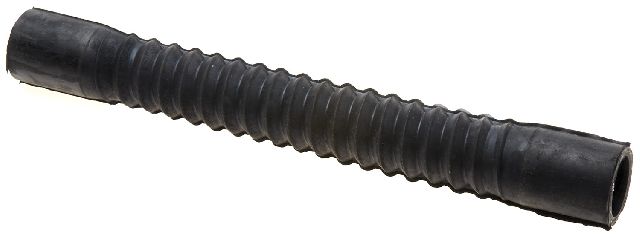
The 1973-1979 Buick Electra requires two primary molded radiator hoses: one upper and one lower. The exact shape and diameter depend on the specific engine option (e.g., 350, 455 V8) and year. Aftermarket hoses are typically made from durable EPDM rubber designed to resist heat and chemical degradation.
We Have This Part in Stock

The information in this article is provided for general reference and educational purposes only. Vehicle specifications, procedures, and part compatibility can vary by production date, trim level, and region. Always consult your vehicle's factory service manual and verify part numbers before purchasing or performing repairs. Safety-critical components such as airbags, seat belts, and braking systems should be installed by a qualified professional.