

Guide to the 1973-1979 Ford F-250 Speedometer Cable
Fix your F-250's bouncing or dead speedometer needle for good.
- A bouncing needle is the #1 symptom of a failing cable, usually due to lack of lubrication.
- You MUST measure your old cable before ordering a new one; lengths vary significantly.
- Always lubricate a new aftermarket cable with graphite or lithium grease before installation.
- Standard brands like ATP and Pioneer are affordable options, while Lokar offers a premium, cut-to-fit solution.
Is Your Speedometer Acting Up?
A faulty speedometer cable is the most common reason for speedometer problems in a classic Ford truck. Because it's a moving part, the inner core can bind, wear out, or snap over time. The outer housing can also get damaged, allowing dirt and water in, which causes the core to fail. Recognizing the signs of a bad cable can save you from a future breakdown or a speeding ticket.
Symptoms of a Failing Speedometer Cable
If you notice any of these issues, your speedometer cable is likely the culprit:
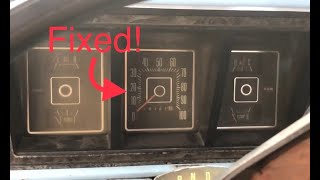
- Bouncing Needle: The most common symptom is a speedometer needle that wavers or jumps around, especially at certain speeds. This is usually caused by the inner cable binding and releasing as it rotates inside a dry or kinked housing. 🎬 Watch: How to fix a shaky speedometer with the best lube.
- No Speed Reading: If the needle doesn't move at all, the inner cable has likely snapped or become disconnected at the transmission or the speedometer head. This can happen if an old, binding cable finally gives way.
- Squealing or Grinding Noises: A high-pitched squeal or a grinding sound from behind the dashboard can indicate a dry cable scraping inside its housing. This is a warning sign that the cable is about to fail completely.
Choosing the Right Aftermarket Cable
For a vintage truck like the 1973-1979 F-250, original Ford (OEM) cables are no longer manufactured. New Old Stock (NOS) parts are extremely rare and expensive. Aftermarket cables are your main option, and they come in a few different tiers.
Aftermarket Brand Tiers
| Tier | Brands | Description |
|---|---|---|
| Standard Replacement | ATP, Pioneer Cable | These brands offer direct-fit replacement cables designed to function like the original part. They are affordable and readily available. However, quality can sometimes be inconsistent, and some users report they are not as durable as higher-end options. It's a good practice to lubricate these cables before installation, even if they come pre-lubed. |
| Premium / Custom | Lokar | Lokar specializes in high-quality, often American-made, parts for custom and hot rod builds. Their cables often feature braided stainless steel housings and are "cut-to-fit," allowing for custom routing. While more expensive, they are known for durability and smooth operation. One user who had issues with a Pioneer cable found success with a custom cable from a specialty shop. |
Common Ordering Mistake: Measure First!
Ford used several different cable lengths for these trucks, with common sizes being 76", 95", and 118". Do not rely on vehicle information alone. The only way to be sure is to remove and measure your old cable from tip to tip. If your new cable is slightly longer, you can route it with wider, smoother bends, but a cable that is too short is useless.
Frequently Asked Questions
Is it hard to replace the speedometer cable myself?
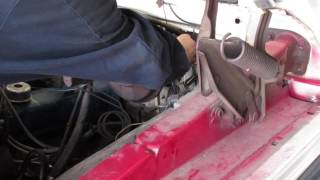
No, this is a great DIY job for a beginner or intermediate mechanic. It typically involves unbolting the cable from the transmission, unclipping it from the back of the instrument cluster, and routing the new one. The hardest part is often accessing the back of the gauge cluster. You should be able to complete it in about an hour.
🎬 Watch this step-by-step guide to replacing your 1970s Ford cable.Do I need to lubricate my new speedometer cable?
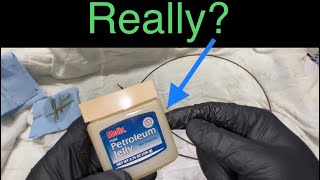
Yes, it's highly recommended. Even if the manufacturer says it's pre-lubricated, many experienced mechanics pull the inner core out, apply a light coat of white lithium grease or graphite lubricant, and re-insert it. This ensures smooth operation and a longer life, preventing the common bouncing needle problem.
🎬 See how to properly lubricate your cable for smooth operation.What tools do I need for the job?
You'll need basic hand tools like a wrench or socket to remove the bolt holding the cable to the transmission. You may need a screwdriver to remove parts of the dash trim to access the instrument cluster. No special tools are usually required unless you are using a cut-to-fit cable kit, which often includes the necessary crimping tool.
My truck has cruise control. Does that change anything?
Yes. On models with factory cruise control, you may have a two-piece cable system with a transducer in the middle. You'll need to identify which section of the cable has failed and order the correct part. Many owners choose to bypass the old cruise control system by using a single, longer cable.
Helpful Videos

![How To Fix A Shaky/Bouncing Speedometer [BEST CABLE LUBE]](https://img.youtube.com/vi/FFvVLIaxOb4/mqdefault.jpg)
Technical Specifications
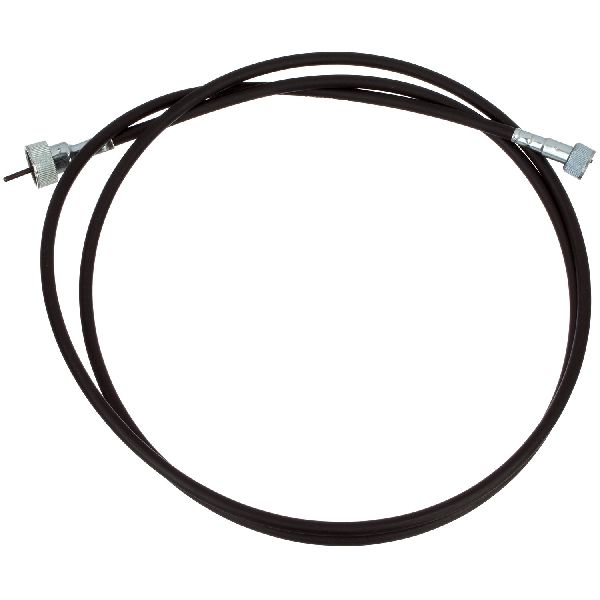
The cable is a mechanical part consisting of a flexible inner core and a protective outer housing. Connection types are typically a clip-on style at the speedometer head and a bolt-on retainer at the transmission. Common lengths for the 1973-1979 F-250 are 76", 95", and 118". It is critical to measure the original cable to ensure correct fitment.
We Have This Part in Stock


The information in this article is provided for general reference and educational purposes only. Vehicle specifications, procedures, and part compatibility can vary by production date, trim level, and region. Always consult your vehicle's factory service manual and verify part numbers before purchasing or performing repairs. Safety-critical components such as airbags, seat belts, and braking systems should be installed by a qualified professional.