

Honda Civic Distributor Cap Guide for 1973-1979 Models
Keep your classic Civic running smoothly by understanding when and how to replace your distributor cap.
- Replace the distributor cap and rotor together as part of a regular tune-up.
- Choose an aftermarket cap with brass terminals for better durability, such as those from Standard Ignition.
- This is a simple DIY job; just make sure to transfer spark plug wires one at a time to keep the correct firing order.
- Symptoms of a bad cap include rough idle, misfiring, and hard starting.
Signs of a Failing Distributor Cap
A distributor cap is a wear-and-tear item. Over time, heat, vibration, and high voltage cause the plastic to break down and the metal terminals to corrode. When this happens, your Civic's engine performance will suffer. Look out for these common symptoms.
- Engine Misfires: The engine may sputter or hesitate, especially when accelerating. This happens when spark can't reliably reach the spark plug.
- Rough Idle: A worn cap can cause the engine to shake or run unevenly when stopped.
- Hard Starting: If the cap is cracked or the terminals are heavily corroded, the engine may crank but struggle to start, or not start at all.
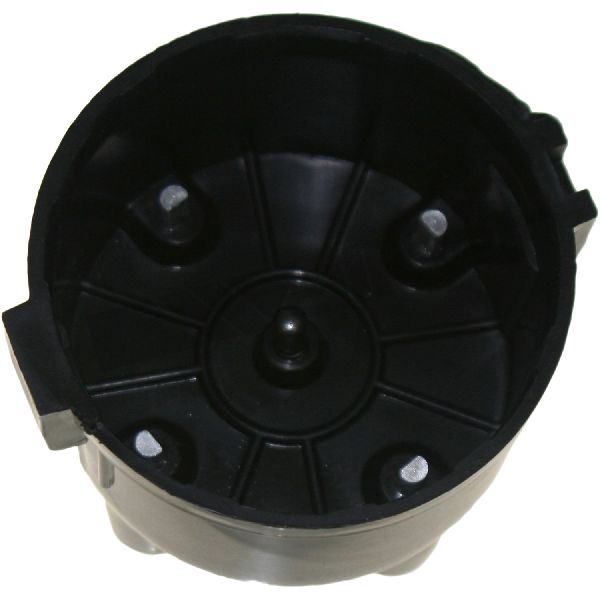
- Visible Damage: Pop the hood and look at the cap. Obvious cracks, a white or reddish dust inside, or burnt-looking metal contacts are clear signs it needs replacement. Moisture inside the cap can also cause problems.
Check the Rotor, Too
The distributor cap works with a small spinning part underneath it called the rotor. This part wears out just like the cap. It's a best practice to replace the rotor every time you replace the cap. They are often sold together in a kit.
Choosing the Right Aftermarket Cap
For a classic vehicle like the 1973-1979 Civic, original Honda (OEM) parts are generally no longer available. The market is served by aftermarket brands that make replacement parts. Quality can vary, but reputable brands offer parts that meet or exceed original specifications.
Brand Tiers for Your Civic:
- Standard Ignition (SMP): A well-regarded brand in the aftermarket, Standard Ignition often produces parts that are considered OE-quality replacements. Their caps are typically made from high-quality, heat-resistant plastic with brass terminals, which resist corrosion better than cheaper aluminum ones.
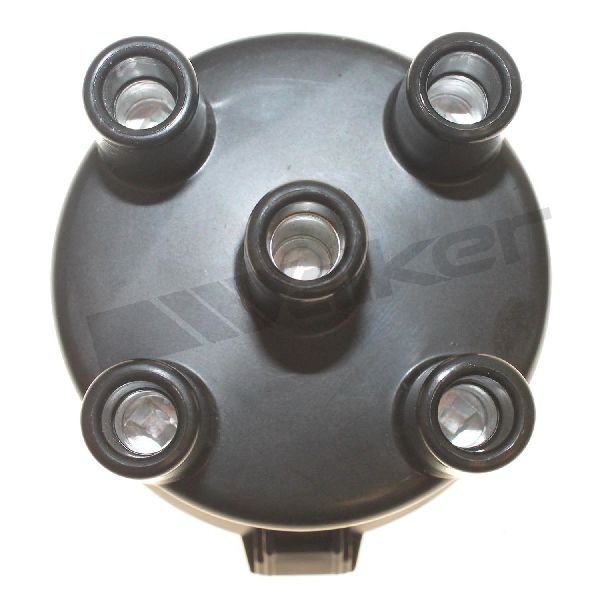
- Walker Products: Walker is another established aftermarket manufacturer. While some online discussions show mixed feelings about their electronic parts like coils, their mechanical components are generally seen as a reliable budget-friendly option. They focus on providing an OE-grade fit and function.
For a critical ignition part, spending a few extra dollars on a cap with brass terminals (like those from Standard) over aluminum is a wise investment for long-term reliability.
Cost of Replacing a 1973-1979 Civic Distributor Cap
| Part or Service | Estimated Cost | Notes |
|---|---|---|
| New Aftermarket Distributor Cap | $16 - $28 | This is the most common option. Price depends on the brand and material (brass vs. aluminum terminals). |
| New OEM Distributor Cap | N/A | Original parts are no longer produced by Honda for this model year range. |
| Shop Labor | $40 - $70 | This is a very quick job for a professional mechanic, typically taking less than an hour. |
Known Issues, Recalls, and Bulletins
A search of the National Highway Traffic Safety Administration (NHTSA) database shows no recalls or technical service bulletins (TSBs) specifically for the distributor cap on the 1973-1979 Honda Civic. However, a significant recall was issued in 1981 for undercarriage rust on these vehicles due to road salt. While unrelated to the ignition system, it highlights the importance of checking for overall corrosion on any classic Civic.
Frequently Asked Questions (FAQ)
How often should I replace the distributor cap?
For these older Civics, a good rule of thumb is to inspect the distributor cap and rotor at every major tune-up or every 30,000 miles. If you see any cracks, corrosion, or carbon tracking, it's time for a replacement.
Is this a difficult DIY job?
No, this is a great beginner-level DIY job. It usually only requires a screwdriver and about 30 minutes. The most important part is to transfer the spark plug wires from the old cap to the new one in the exact same order. Mixing them up will prevent the car from running.
What's the difference between brass and aluminum terminals?
Brass terminals offer better conductivity and are more resistant to corrosion and pitting from the electrical spark. Aluminum terminals are cheaper but will wear out faster. For the small price difference, brass is the superior choice for durability.
My new cap didn't come with screws. Is that normal?
Sometimes, yes. It's common for aftermarket caps to require you to reuse the original mounting screws. Be careful not to lose them during the replacement. If the old screws are stripped or in bad shape, you may need to find matching ones at a hardware store.
Technical Specifications
The key specification is the terminal material. Brass terminals are preferred over aluminum for their superior conductivity and corrosion resistance. The cap must be an exact fit for the distributor housing on 1973-1979 Honda Civic models.
We Have This Part in Stock


The information in this article is provided for general reference and educational purposes only. Vehicle specifications, procedures, and part compatibility can vary by production date, trim level, and region. Always consult your vehicle's factory service manual and verify part numbers before purchasing or performing repairs. Safety-critical components such as airbags, seat belts, and braking systems should be installed by a qualified professional.