

Choosing the Right Universal Joint for Your 1973-1979 Oldsmobile Omega
Understand the signs of a failing U-joint and find the best aftermarket replacement for your classic Omega.
- Your Omega has two U-joints on its driveshaft; it is best to replace them in pairs.
- A clunking noise when shifting or a vibration at speed are serious symptoms that require immediate attention.
- Dana/Spicer is considered a top-tier brand for durability, while Moog and SKF offer excellent quality for most applications.
- Do not drive with a failing U-joint, as a complete failure can cause the driveshaft to detach and lead to a loss of control.
Is Your Omega's U-Joint Failing?
A failing universal joint is not just a noisy annoyance; it's a serious safety issue. If a U-joint breaks completely, the driveshaft can detach from the vehicle, leading to a loss of power and control, and potentially causing significant damage to the underside of your car. Listen and feel for these common symptoms:
- Clunking Noise: A loud "clunk" or "bang" when you shift from park into drive or reverse is a classic sign of a worn U-joint with too much play.
- Vibration While Driving: You may feel a vibration that increases with speed, often felt through the floor of the car. This happens when the worn joint throws the driveshaft out of balance.
- Squeaking Noise: A rhythmic squeak that matches your wheel speed, especially at lower speeds, often means the U-joint has lost its lubrication and is grinding metal-on-metal.
- Visible Rust or Wear: If you look under the car, you might see rust dust around the U-joint's bearing caps, which indicates the internal needle bearings are failing.
Can I Still Drive?
Driving with a failing U-joint is not recommended. A complete failure can cause the driveshaft to fall, resulting in a sudden loss of power and potentially causing you to lose control of the vehicle. It is critical to replace a worn U-joint as soon as symptoms appear.
Choosing the Right Aftermarket U-Joint
For a classic vehicle like the 1973-1979 Omega, new OEM parts are no longer available. However, the aftermarket offers a wide range of quality replacements. Aftermarket U-joints are often built to meet or exceed original specifications. They are typically divided into two main types: greaseable and non-greaseable (sealed).
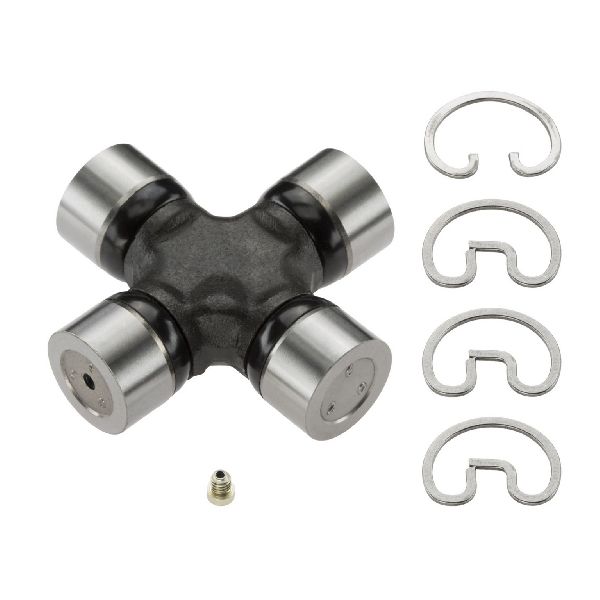
- Non-Greaseable (Sealed) U-Joints: These are often preferred for their strength and longevity, as they are sealed from the factory and don't have the internal channels for grease that can slightly weaken the cross. Many experts consider them a 'fit-and-forget' solution similar to what the factory installed.
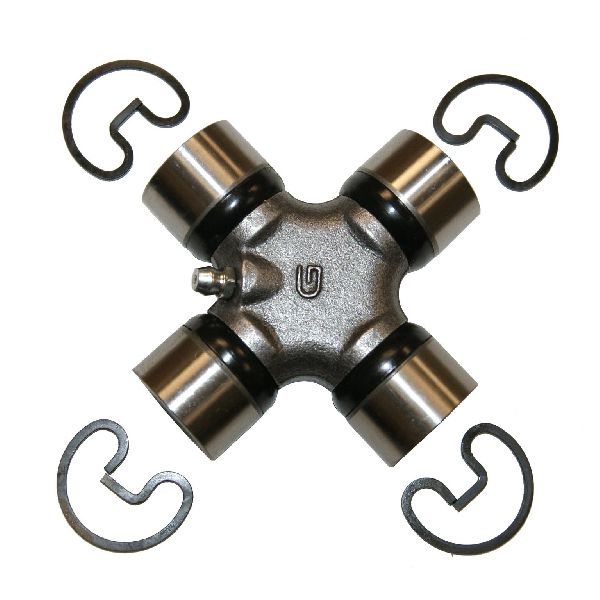
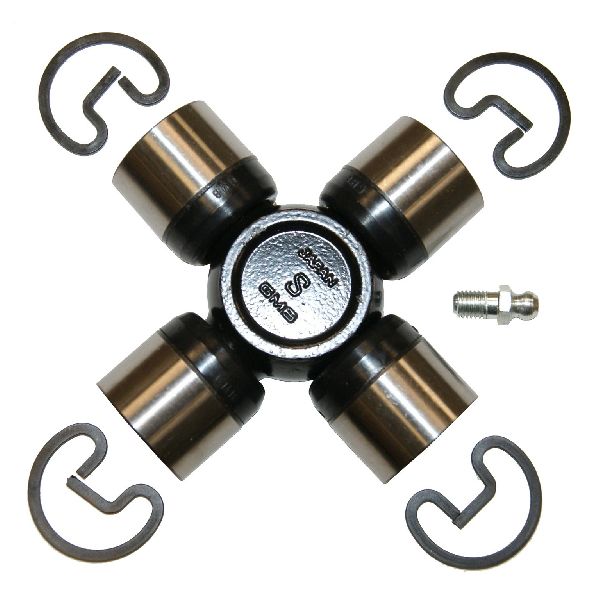
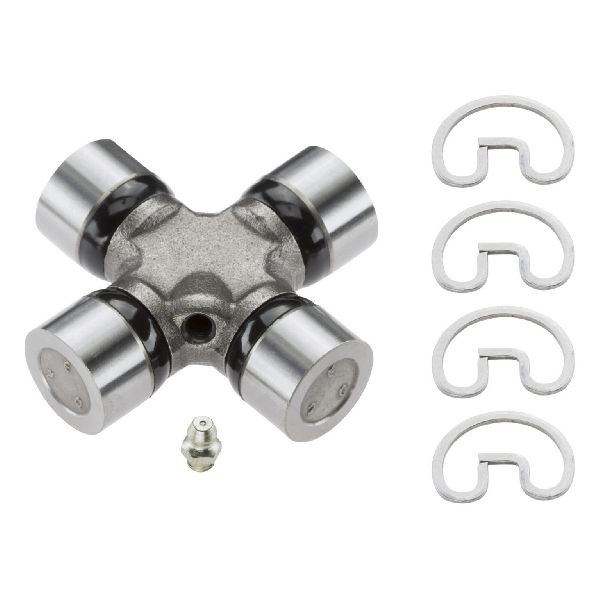
- Greaseable U-Joints: These have a zerk fitting that allows you to add new grease periodically. While this can extend their life if maintained properly, it requires regular service. If you don't grease them, they can fail faster than sealed joints.
Brand Quality Tiers
When shopping for your Omega, consider these brands known for their quality in the classic GM community:
- Premium Quality (Heavy Duty/Top Tier): Dana/Spicer is widely regarded as the benchmark for quality and durability, often considered original equipment for many manufacturers. Yukon Gear is known for high-strength components, making them a robust choice.
- Quality Aftermarket: Moog and SKF are well-respected brands that offer reliable, quality parts that meet or exceed OEM standards. They are a popular choice for restorations and daily drivers.
- Standard/Economy: GMB provides a cost-effective solution that is manufactured to OEM specifications and is a good option for standard-duty use.
| Brand Tier | Common Brands | Estimated Price Per Joint |
|---|---|---|
| Premium | Dana Spicer, Yukon Gear | $40 - $110 |
| Quality | Moog, SKF | $25 - $60 |
| Standard | GMB, House Brands | $18 - $35 |
Frequently Asked Questions (FAQ)
How many U-joints does my 1973-1979 Omega have?
Most 1973-1979 Oldsmobile Omegas have a simple rear-wheel-drive setup with one driveshaft. This means you will have two universal joints to service: one at the transmission end and one at the rear axle (differential) end. It is highly recommended to replace both U-joints at the same time.
Are there any recalls or TSBs for my Omega's U-joints?
A search of the National Highway Traffic Safety Administration (NHTSA) database shows no specific recalls or Technical Service Bulletins (TSBs) related to universal joints for the 1973-1979 Oldsmobile Omega. Failures are typically due to normal wear and tear over the vehicle's long life.
What is the difference between inside and outside snap rings?
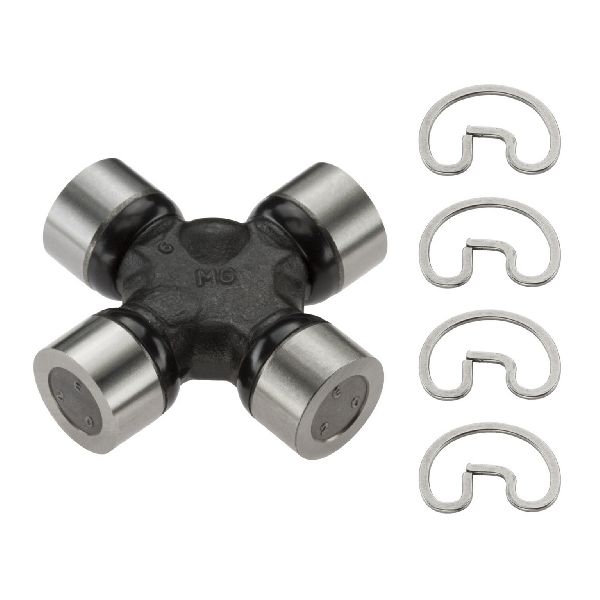
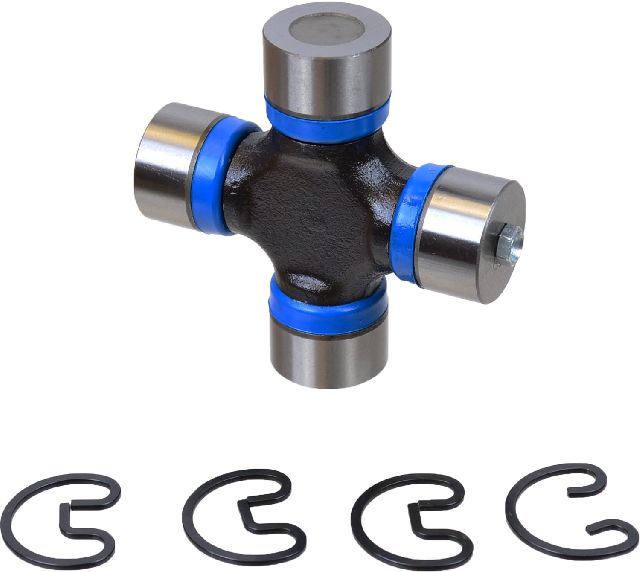
Snap rings are what hold the U-joint's bearing caps in place in the driveshaft yoke. Your Omega likely uses an "outside" snap ring design, where the clips fit into grooves on the outside of the yoke ears. Some GM vehicles used internal plastic injections from the factory, which must be melted or pressed out during the first replacement. All modern aftermarket replacements will use mechanical snap rings.
Can I replace a U-joint myself?
Yes, replacing a U-joint is a feasible DIY project for someone with mechanical experience. However, it requires tools like a large hammer and sockets, a bench vise, or a hydraulic press to remove the old joint and install the new one without damaging the driveshaft yoke. If you are not comfortable with this process, a repair shop can perform the labor.
Technical Specifications
The 1973-1979 Oldsmobile Omega typically uses two universal joints on the rear driveshaft. Common aftermarket parts may feature different cap diameters and snap ring styles (e.g., 1.063 in and 1.125 in caps, with internal and external clips), so it is crucial to measure your original parts or confirm fitment before ordering. Many replacements are greaseable, featuring a zerk fitting in the cross or cap.
We Have This Part in Stock

The information in this article is provided for general reference and educational purposes only. Vehicle specifications, procedures, and part compatibility can vary by production date, trim level, and region. Always consult your vehicle's factory service manual and verify part numbers before purchasing or performing repairs. Safety-critical components such as airbags, seat belts, and braking systems should be installed by a qualified professional.