

Engine Coolant Bypass Hose Guide for 1973-1980 Dodge CB300
Don't let a small, inexpensive hose cause a major overheating problem in your classic Dodge van.
- Do not drive with a suspected coolant leak; it can lead to catastrophic engine failure.
- Always use a pre-molded aftermarket hose from a quality brand like Gates, Dayco, or ACDelco for a proper fit.
- Inspect all coolant hoses regularly for signs of aging like cracks, swelling, or mushiness.
- Replace the hose clamps at the same time as the hose to ensure a secure, long-lasting seal.
Is Your Classic Van Leaking Coolant? Check This Hose.
If you own a vintage 1973-1980 Dodge CB300, you know that rubber parts don't last forever. Decades of heat and pressure take their toll. The engine coolant bypass hose is a common and often overlooked source of coolant leaks that can lead to serious engine problems if ignored. A failure here can quickly leave you stranded with an overheating engine.
Symptoms of a Failing Bypass Hose
A bad bypass hose usually makes itself known in a few ways. Being aware of these signs can help you catch a problem before it causes major damage.
- Coolant Leaks: This is the most obvious sign. You might find a puddle of green or orange fluid under the front of your van. The leak often originates near the water pump and alternator area.
- Sweet Smell: If the hose leaks onto hot engine parts, the coolant will burn off, creating a distinct sweet smell coming from under the hood. You might smell it long before you see a puddle.
- Engine Overheating: A significant leak means less coolant to cool the engine. If your temperature gauge starts climbing into the red, a hose failure is a likely cause.
- Visible Hose Damage: When the engine is cool, inspect the hose. If it feels rock-hard, brittle, mushy, or you see cracks and bulges, it's past its service life and needs immediate replacement.
Warning: Do Not Drive with a Coolant Leak
Driving with a leaking coolant bypass hose is not recommended. A sudden failure can dump all your coolant in minutes, leading to rapid overheating and catastrophic engine damage like warped cylinder heads or a blown head gasket.
Choosing the Right Aftermarket Hose
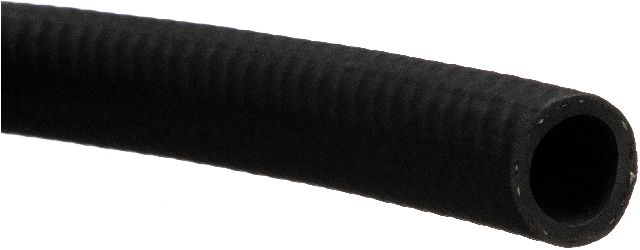
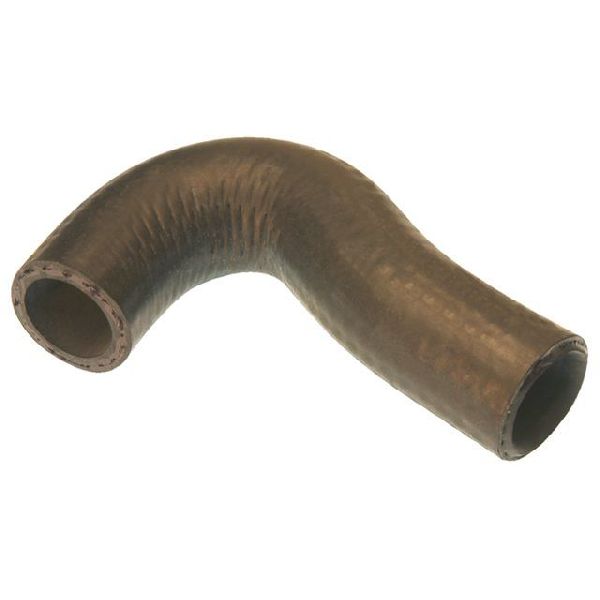
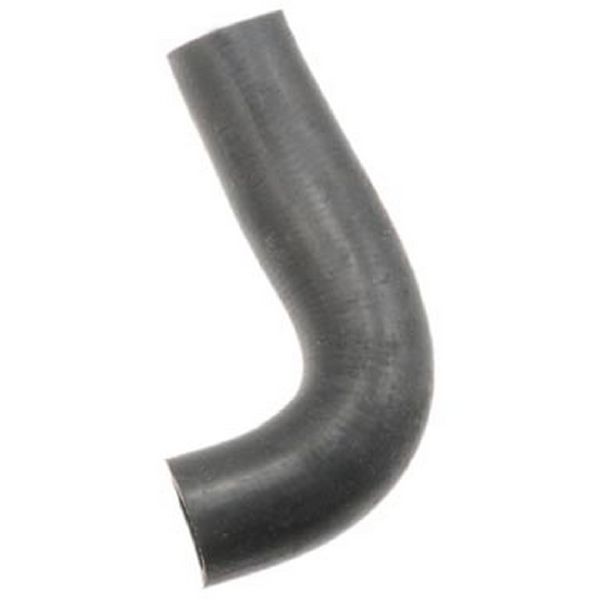
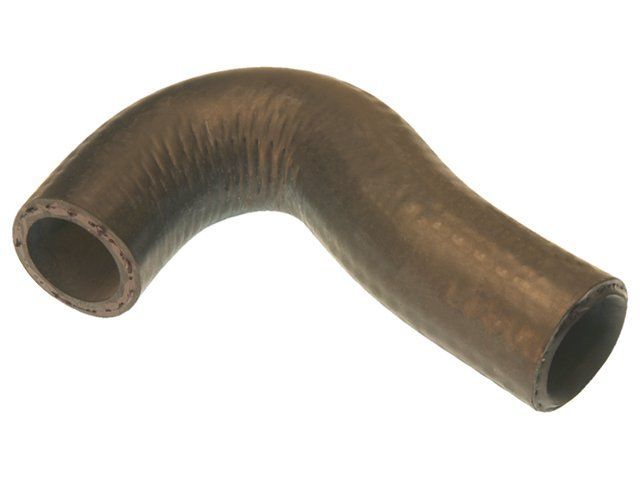
For a vehicle of this age, new OEM (Original Equipment Manufacturer) hoses are generally not available. Fortunately, modern aftermarket hoses are excellent and often made from superior materials compared to the originals. The key is to use a molded hose specifically designed for your van's engine, not a generic straight or flexible hose which can kink and restrict flow.
Brand Tiers
- Premium (Gates): Gates is widely regarded as a top-tier manufacturer for belts and hoses, often supplying parts directly to automakers. Mechanics and experienced DIYers often prefer Gates for their quality construction and reliable fitment. They are a trusted choice for a critical part like a coolant hose.
- OEM-Quality (Dayco, ACDelco): Dayco and ACDelco are also reputable brands that produce quality replacement parts. While some users report occasional fitment issues with Dayco compared to Gates, they are generally considered a reliable and widely available option. Both brands provide a dependable replacement for the original hose.
Pro Tip: Replace the Clamps
Always use new hose clamps when replacing any coolant hose. Old clamps can lose their tension or corrode, leading to leaks even with a new hose. Spring-style clamps are often recommended as they maintain constant tension as the hose expands and contracts with heat.
| Part | Price Range |
|---|---|
| Aftermarket Engine Coolant Bypass Hose | $20.08 - $81.22 |
Frequently Asked Questions
What engines were available in the 1973-1980 Dodge CB300?
The CB300, being a 1-ton van, was typically equipped with V8 power. Common engines included the 5.2L (318ci) V8 and the 5.9L (360ci) V8. Less common were the 3.7L (225ci) Slant Six and the large 7.2L (440ci) V8. Always verify your engine size before ordering parts, as the bypass hose is engine-specific.
Can I use a straight piece of hose instead of a molded one?
It is strongly recommended that you do not. The bypass hose often has specific bends to clear other components. Using a straight hose can cause it to kink or rub against other parts, leading to premature failure and restricted coolant flow.
How often should I inspect my coolant hoses?
On a vintage vehicle like the CB300, it's wise to inspect all coolant hoses at every oil change. Check for any signs of cracking, swelling, or sponginess. Given the age of the vehicle, proactive replacement of all coolant hoses is a good strategy to prevent being stranded.
Are there any recalls for the cooling system on these vans?
Searches of the NHTSA database did not reveal any recalls specifically for the engine coolant bypass hose on the 1973-1980 Dodge CB300. Any recalls would have been issued decades ago; at this point, component failure is due to age and wear.
Technical Specifications
Varies by engine (3.7L, 5.2L, 5.9L, 7.2L). Must be a molded hose, not a universal or flex hose. Typically connects the water pump housing to the intake manifold.
We Have This Part in Stock

The information in this article is provided for general reference and educational purposes only. Vehicle specifications, procedures, and part compatibility can vary by production date, trim level, and region. Always consult your vehicle's factory service manual and verify part numbers before purchasing or performing repairs. Safety-critical components such as airbags, seat belts, and braking systems should be installed by a qualified professional.