

Choosing the Best Spark Plugs for Your 1973-1980 Dodge CB300
Get the right spark for your classic Dodge van's engine to ensure reliability and smooth performance.
- You must identify your engine (3.7L, 5.2L, or 5.9L) to buy the correct spark plugs.
- Standard copper-core plugs from brands like Autolite or NGK are highly recommended by other owners for reliability.
- Always verify the spark plug gap before installation; 0.035 inches is a common spec for V8 models.
- There are no recalls or TSBs for spark plugs on this vehicle; common problems relate to fouling on older engines.
First: Identify Your Engine
Before buying spark plugs, you must know which engine is in your Dodge CB300. During this period, these vans were commonly equipped with a 3.7L (225ci) Slant-6, a 5.2L (318ci) V8, or a 5.9L (360ci) V8. The number of plugs you need (6 or 8) and the specific type of plug depend entirely on the engine. Check the information sticker under the hood or on the door jamb, or visually inspect the engine to confirm.
Symptoms of Failing Spark Plugs
Your van's simple, pre-computerized system means you have to rely on your senses to spot a problem. Unlike modern cars, there's no "Check Engine" light to tell you about a misfire. Look out for these signs:
- Rough Idling: The engine may shake or vibrate more than usual when stopped.
- Poor Acceleration: The van may feel sluggish or hesitant when you press the gas pedal.
- Hard Starting: The engine may take longer to crank and start, or it might not start at all.
- Engine Misfires: You might feel a stumble or hear a popping sound from the engine, especially under load.
- Reduced Fuel Economy: Worn plugs can cause incomplete combustion, making your engine use more fuel.
Choosing the Right Aftermarket Spark Plug
The ignition systems in these classic Dodge vans were designed for traditional copper-core spark plugs. While modern platinum and iridium plugs last longer, they often don't provide a performance benefit in these older engines and are not necessary. Sticking with a quality copper plug is a reliable and cost-effective choice.
Brand Quality Tiers for Dodge CB300
| Tier | Brands | Assessment |
|---|---|---|
| Tier 1: Highly Recommended | Autolite, NGK | Many classic Mopar owners prefer Autolite and NGK plugs over the original factory brand. They are widely praised for their reliability, resistance to fouling, and consistent performance in engines like the 318 and 360 V8. |
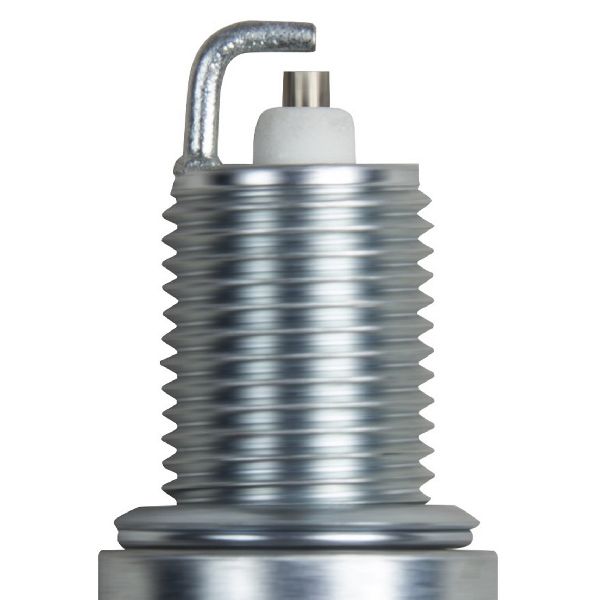
| Tier 2: OEM & Traditional Choice | Champion | Champion was the original equipment (OEM) plug for many Chrysler vehicles of this era. Some owners insist on using them for originality, but many others feel the quality has declined over the years and have experienced issues with fouling and premature failure. |
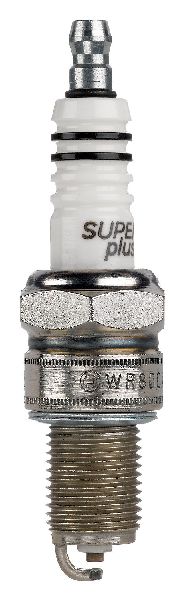
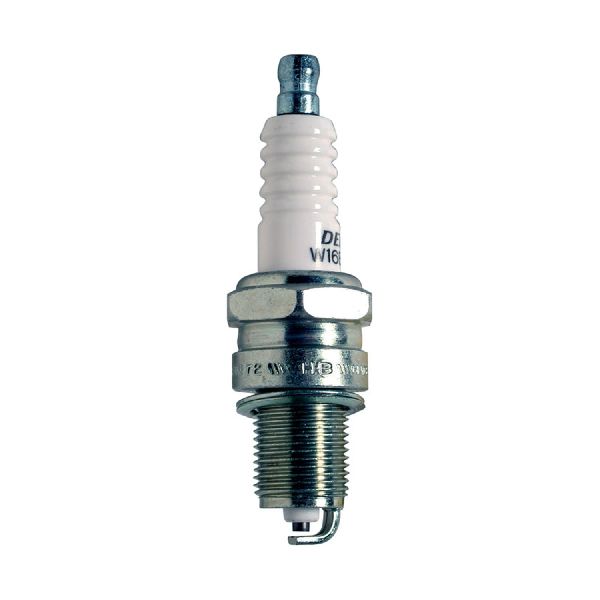
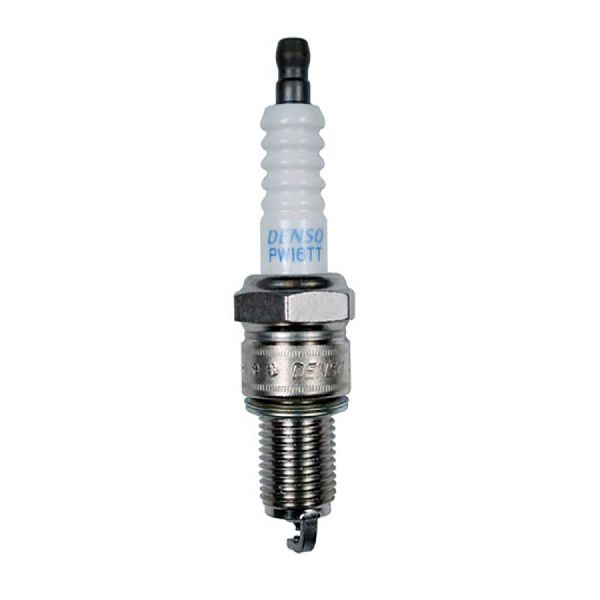
| Tier 3: Quality Alternatives | Bosch, Denso | These are reputable brands that manufacture quality spark plugs. While less commonly discussed in forums for this specific vehicle, they are a solid choice if your preferred brand isn't available. |
| Tier 4: Performance Focus | Accel, MSD | These brands are geared towards modified and racing engines. They are a good option if you have upgraded your CB300's ignition system or engine, but are likely unnecessary for a stock vehicle. |
| Tier 5: Budget / Gimmick | Skyward, E3 | Skyward is a budget-friendly option, but with little information on long-term reliability. Plugs marketed with special electrode designs, like E3 or Splitfire, are often considered gimmicks by experienced mechanics and may not offer any real benefit. |
Known Issues, Recalls, or TSBs
There are no official recalls or Technical Service Bulletins (TSBs) from the NHTSA related to spark plugs for the 1973-1980 Dodge CB300. The most common issue reported by owners is spark plug fouling, which can be caused by a rich fuel mixture or oil consumption in an older, high-mileage engine. In some cases, a part called a "spark plug non-fouler" can be used to help prevent a plug from getting coated in oil.
Pro Tip: Always Check the Gap
Even if plugs are advertised as "pre-gapped," you should always verify the gap with a feeler gauge before installation. The most common specification for the V8 engines in this van is 0.035 inches. An incorrect gap can lead to poor performance and misfires.
Frequently Asked Questions (FAQ)
How often should I change the spark plugs on my CB300?
For standard copper plugs in these older engines, a good rule of thumb is to inspect them at every tune-up and replace them every 10,000 to 20,000 miles, or sooner if you notice performance issues. They are inexpensive and critical for engine health.
Should I use anti-seize on the new spark plug threads?
This is a topic of debate. Some plug manufacturers, like NGK, apply a special plating to their plugs that acts as an anti-seize and recommend not adding more. If you do use anti-seize, apply only a very small amount to the threads, avoiding the electrode, and be careful not to over-tighten the plug.
What do the different spark plug heat ranges mean?
A spark plug's heat range refers to how quickly it transfers heat away from its tip. A "hotter" plug retains more heat, which helps burn off carbon deposits during low-speed city driving. A "colder" plug transfers heat away faster, which is better for high-speed or heavy-load driving to prevent overheating. For a stock engine, using the standard, factory-recommended heat range is always the best choice.
Are expensive iridium or platinum plugs worth it for my van?
No. The ignition systems on these vans were not designed for fine-wire plugs. While they won't necessarily harm the engine, you will not see a performance gain, and they may not work as effectively as a standard copper plug. Save your money and stick with quality copper plugs from brands like Autolite or NGK.
Technical Specifications
OEM Part Numbers: RN14YC
Engine Type: 3.7L (225) I6, 5.2L (318) V8, 5.9L (360) V8 Plug Type: Standard Copper Core Common Spark Plug Gap: 0.035 in.
We Have This Part in Stock


The information in this article is provided for general reference and educational purposes only. Vehicle specifications, procedures, and part compatibility can vary by production date, trim level, and region. Always consult your vehicle's factory service manual and verify part numbers before purchasing or performing repairs. Safety-critical components such as airbags, seat belts, and braking systems should be installed by a qualified professional.