

Choosing the Right Front Disc Brake Rotors for Your 1973-1981 Buick Regal
Stop safely and confidently by understanding the best new aftermarket brake rotor options for your classic Regal.
- Verify your rotor size: 1973-1977 models typically use 11-inch rotors, while 1978-1981 models often use 10.5-inch rotors.
- Always replace rotors and pads in pairs on the same axle to ensure even braking.
- For a daily driven classic Regal, a quality plain-faced, coated rotor from a brand like Centric is a better choice than drilled/slotted rotors.
- A grinding noise is a critical safety issue that requires immediate attention.
Signs of a Failing Disc Brake Rotor
Worn or failing brake rotors make specific noises and create distinct feelings while you drive. Ignoring these signs can be dangerous. If you feel a pulsation or shaking in the brake pedal or steering wheel when you brake, it's a common sign of a warped rotor. A grinding noise means your brake pads are likely worn completely away, and now metal is grinding on metal, which damages the rotor. You might also hear a high-pitched squealing, which is often caused by worn pads but can also indicate a problem with the rotor surface.
Critical Failure Warning
A grinding sound is a critical warning. It means your braking system's effectiveness is severely reduced. If you hear grinding, you should not drive the car until the brakes are inspected and repaired. Continuing to drive can lead to total brake failure.
Choosing the Right Aftermarket Rotor
Since your Regal is a classic, finding New Old Stock (NOS) OEM rotors is nearly impossible. The aftermarket is your primary source, and today's parts are often better than what was available in the 70s and 80s. The most important factor is ensuring you buy the correct size for your year. Regals from 1973-1977 typically use an 11-inch front rotor, while many 1978-1981 models use a smaller 10.5-inch rotor. Always confirm the size before ordering.
Aftermarket Brand Tiers for Your Regal
Here’s an honest breakdown of the brands available for your car, based on general reputation and quality for classic vehicles.
- Good - Daily Driver (Bendix, Centric, Dynamic Friction): These brands are excellent choices for a car that is driven normally. Centric is frequently recommended in car forums for its quality and value, especially their premium rotors that have a black e-coating to prevent rust on the hub and edges. Bendix is a well-known, reliable brand. Dynamic Friction also offers solid, OE-style replacements. For a stock Regal, a quality plain-face rotor from one of these brands is more than enough.
- Better - Performance Street (Powerstop, EBC Brakes): If you have a modified Regal or simply want a more aggressive look and potential performance gain, these brands are popular. Powerstop often sells complete kits with drilled and slotted rotors that can help vent heat and gas during heavy braking. EBC is known for high-quality materials and is considered a step-up for performance driving.
Do You Need Drilled or Slotted Rotors?
For a stock 1973-1981 Regal, you do not need drilled and slotted rotors. A good quality plain rotor provides the best braking for everyday driving. Drilled and slotted rotors are designed for high-performance or track use to dissipate extreme heat. On a classic street car, their main benefit is cosmetic, but they can increase brake pad wear and sometimes make more noise.
Common Ordering Mistakes
The biggest mistake is ordering the wrong size. The front rotors on GM's A/G-body platform changed during this period. Be sure to measure your existing rotor or confirm part numbers. The 1973-1977 models generally use an 11-inch rotor, while the downsized 1978-1981 models often use a 10.5-inch rotor. Always verify fitment for your specific year and model before purchasing.
| Item | Cost Range |
|---|---|
| New Aftermarket Rotors (Pair) | $82 - $190 |
| New OEM (GM) | Generally unavailable |
| Shop Labor (Front Pair) | $150 - $300 |
Frequently Asked Questions
Do I have to replace my brake pads when I replace my rotors?
Yes. It is highly recommended. New rotors need a fresh, flat pad surface to bed-in correctly. Putting old, worn pads on new rotors will create grooves and can cause noise and vibration. Most mechanics will insist on replacing them together.
Should I replace rotors in pairs?
Absolutely. Always replace both the left and right rotors on an axle at the same time. Replacing only one can cause the car to pull to one side during braking, which is very dangerous.
What does "bedding in" new brakes mean?
Bedding-in is the process of transferring a thin, even layer of friction material from the new brake pads onto the new rotors. This is done by performing a series of controlled stops after installation. It's crucial for smooth, quiet, and powerful braking performance. Your parts manufacturer will provide specific instructions for this process.
Are there any recalls for my Regal's brakes?
There was a recall in May 1986 for 1978-1981 Regals related to the rear brake backing plate, which could lead to a loss of rear braking. Another recall from 1974 affected some 1973 models for a power brake vacuum booster issue. There are no specific recalls for the front disc brake rotors themselves on these models.
Technical Specifications
OEM Part Numbers: 334348 1249146
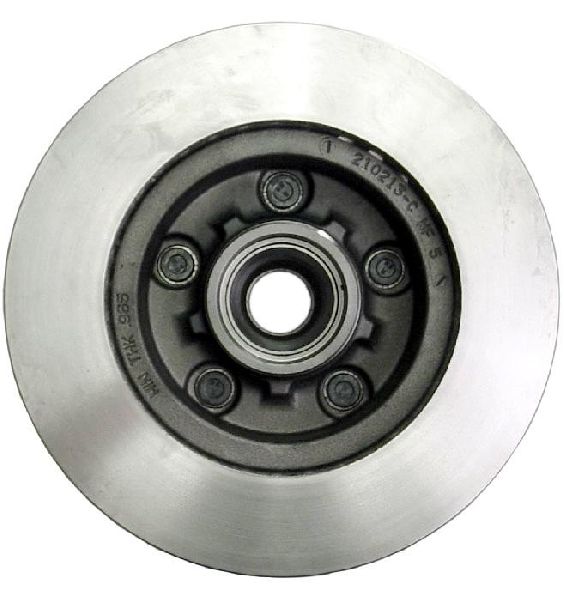
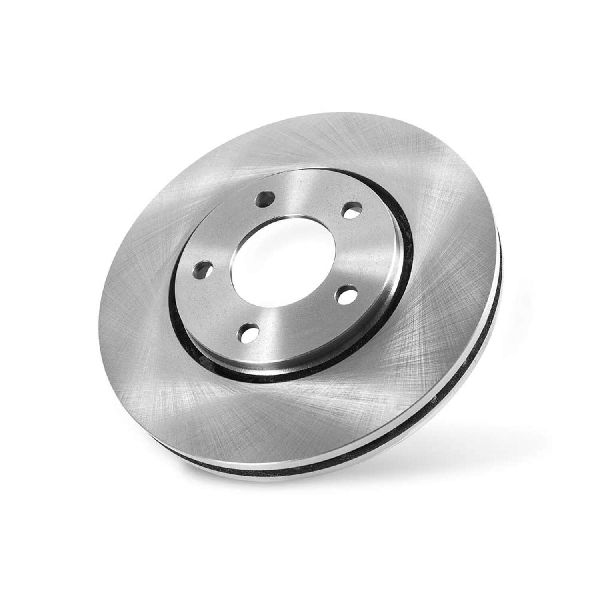
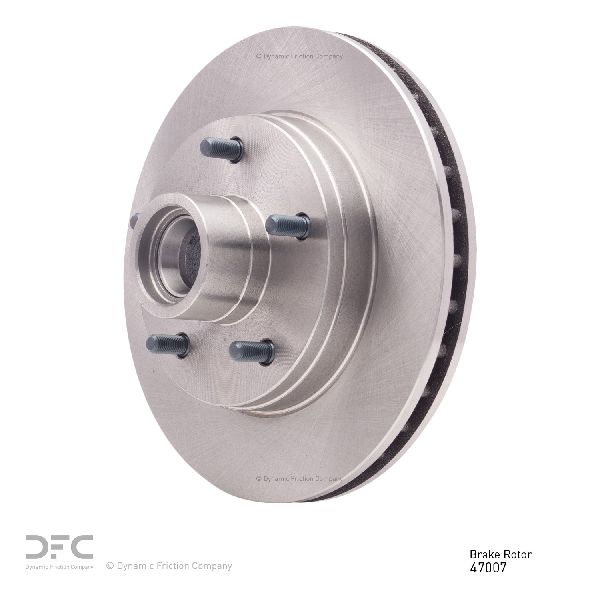
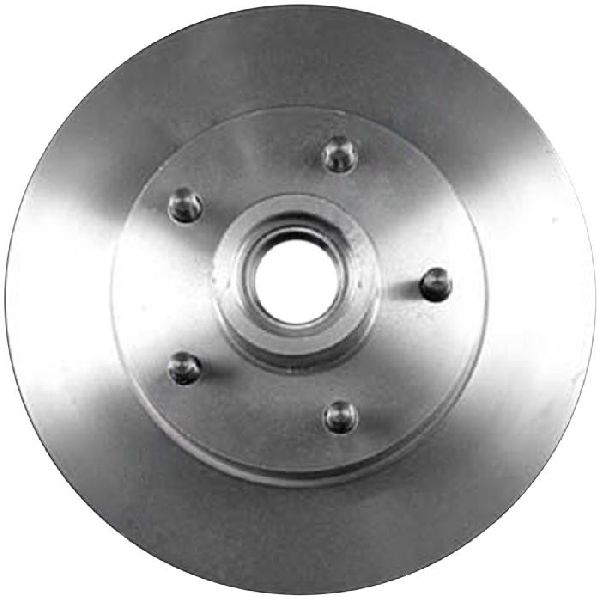
Diameter: 11 inches (approx. for 1973-1977) or 10.5 inches (approx. for 1978-1981). Bolt Pattern: 5 x 4.75 inches. Type: Vented.
We Have This Part in Stock

The information in this article is provided for general reference and educational purposes only. Vehicle specifications, procedures, and part compatibility can vary by production date, trim level, and region. Always consult your vehicle's factory service manual and verify part numbers before purchasing or performing repairs. Safety-critical components such as airbags, seat belts, and braking systems should be installed by a qualified professional.