

A/C Accumulator Guide for the 1973-1981 GMC Jimmy
Keep your classic Jimmy's A/C blowing cold by understanding this critical part.
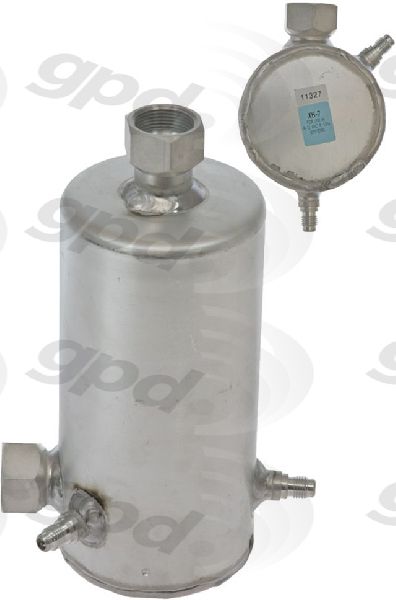
- The A/C accumulator is a critical filter and moisture absorber for the GMC Jimmy's A/C system.
- It is mandatory to replace the accumulator anytime the A/C system is opened for service, such as a compressor replacement.
- Symptoms of failure include poor cooling, rattling noises, and visible leaks.
- Due to the need for specialized refrigerant handling equipment, this replacement is best performed by a professional A/C shop.
Is Your Jimmy's A/C Not as Cold as It Used to Be?
If the air conditioning in your classic GMC Jimmy isn't performing, a failing A/C accumulator could be the culprit. This component is more than just a filter; it's a safeguard for your entire A/C system. Over time, the desiccant material inside becomes saturated with moisture and can no longer protect the system. Any time the A/C system is opened for service, the accumulator must be replaced to protect your investment in other repairs, like a new compressor.
Symptoms of a Failing A/C Accumulator
- Poor Cooling Performance: If the accumulator is clogged or saturated, refrigerant flow is restricted, leading to warm or barely cool air from the vents.
- Rattling Noises: A rattling sound from the engine bay when the A/C is on can indicate that internal parts of the accumulator have broken loose.
- Visible Refrigerant Leaks: Oily residue or visible leaks on the accumulator canister or its fittings are a clear sign of failure. The leak is typically refrigerant oil, not the refrigerant itself, which evaporates quickly.
- Moldy or Musty Smell: While less common, a failed accumulator that allows moisture to build up in the system can contribute to the growth of mold and mildew, causing a bad smell from the vents.
Choosing an Aftermarket A/C Accumulator
For a vehicle from the 1973-1981 model years, finding new Original Equipment Manufacturer (OEM) parts is nearly impossible. The market for these classic trucks is served by aftermarket manufacturers. The good news is that A/C accumulators are a common replacement part, and aftermarket brands produce direct-fit replacements that meet or exceed original specifications. Brands like Global Parts Distributors (GPD), Four Seasons, and UAC are common providers for this generation of GM truck. Reviews for Global Parts are generally positive regarding fit and quality. Since the accumulator is a standard service part, a new aftermarket unit is a reliable choice and a mandatory replacement whenever the A/C system is opened.
Estimated Replacement Costs
| Part Type | Estimated Cost |
|---|---|
| New Aftermarket Part | $20 - $40 |
| Shop Labor & System Recharge | $150 - $300 |
| Total Estimated Cost | $170 - $340 |
Note: Costs are estimates and can vary based on your location and the specific shop. Labor includes evacuating the old refrigerant, installing the new part, and recharging the system.
Frequently Asked Questions (FAQ)
Do I have to replace the accumulator when I replace my A/C compressor?
Yes, absolutely. Most compressor warranties require the replacement of the accumulator and orifice tube. A failed compressor often releases debris into the system, and the new accumulator will filter it out, protecting your new compressor. An old, saturated accumulator will not protect the new compressor from moisture, leading to premature failure.
Can I replace the A/C accumulator myself?
Physically replacing the part is straightforward for a DIY mechanic. However, handling refrigerant requires special equipment to safely evacuate the system before starting and to vacuum and recharge it afterward. It is illegal and harmful to the environment to release refrigerant into the atmosphere. For this reason, the job is best left to a professional shop with the proper equipment.
What is a desiccant and why is it important?
A desiccant is a drying agent, typically in the form of silica gel beads, stored in a bag inside the accumulator. Its job is to absorb any moisture that enters the A/C system. Moisture in the refrigerant can freeze and block the system or mix with refrigerant to form corrosive acids that destroy internal components.
My Jimmy was originally R-12. Does that matter?
Yes. Many 1973-1981 GMC Jimmys have been converted from the original R-12 refrigerant to the modern R-134a. Aftermarket accumulators are compatible with R-134a. If you are converting your system, you must use a new accumulator designed for the new refrigerant and compatible PAG oil. Ensure the service ports on the new accumulator match the refrigerant type you are using, or use the correct adapters.
Technical Specifications
System uses an orifice tube; accumulator is on the low-pressure side. Must be replaced when system is serviced. Contains a desiccant bag to absorb moisture.
We Have This Part in Stock

The information in this article is provided for general reference and educational purposes only. Vehicle specifications, procedures, and part compatibility can vary by production date, trim level, and region. Always consult your vehicle's factory service manual and verify part numbers before purchasing or performing repairs. Safety-critical components such as airbags, seat belts, and braking systems should be installed by a qualified professional.