

A Comprehensive Guide to the 1973-1982 Buick Century Automatic Transmission Mount
Eliminate drivetrain clunks and excessive vibrations by choosing the right replacement transmission mount for your classic Century.
- A loud 'clunk' when shifting into gear is the most common sign of a failed transmission mount.
- Budget-friendly rubber mounts (Anchor, DEA, Westar) have inconsistent quality reviews; some fail prematurely.
- Polyurethane mounts (Prothane, Daystar) are a durable upgrade but will increase cabin vibration and noise.
- Always inspect the two engine mounts when replacing the transmission mount, as they wear out together.
Is Your Buick Century Clunking and Vibrating?
The transmission mount is a part that wears out over time. After decades of heat, road grime, and stress, the original rubber becomes hard, brittle, and eventually cracks or separates. When this happens, the transmission is no longer held securely, leading to symptoms that are hard to ignore.
Common Signs of a Bad Transmission Mount:
- Clunking or Banging Noises: A loud "clunk" or "bang" when you shift from Park into Reverse or Drive is the most common symptom. You might also hear this noise when you accelerate or brake suddenly. This is the sound of the transmission lifting and hitting the floor pan or crossmember.
- Excessive Vibration: If the rubber has failed, it can no longer absorb drivetrain vibrations. You may feel a new or excessive vibration through the floor, seats, or steering wheel, especially when idling in gear or accelerating.
- Visible Movement: With the vehicle safely secured, you can often see the transmission and engine assembly move excessively when shifting between gears. This excessive movement is a clear sign the mount is no longer doing its job.
Choosing the Right Aftermarket Mount for Your Century
Since original GM mounts are likely discontinued, you will be choosing from aftermarket options. These fall into two main categories: standard rubber replacements and performance-oriented polyurethane upgrades.
Good: Standard Rubber Mounts (OE-Style)
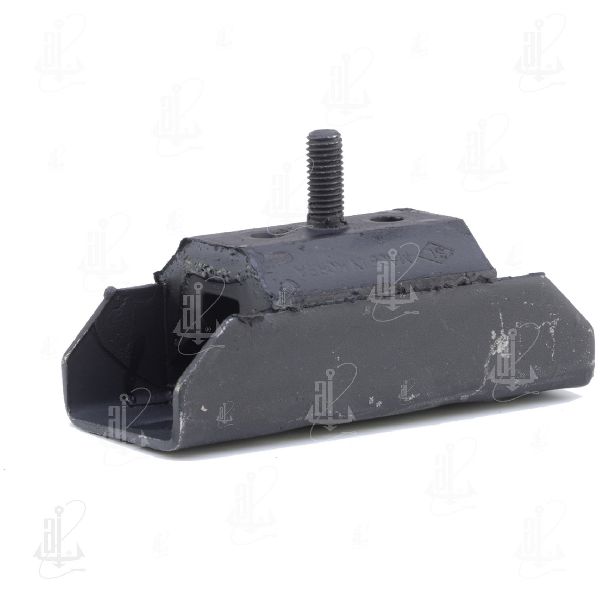
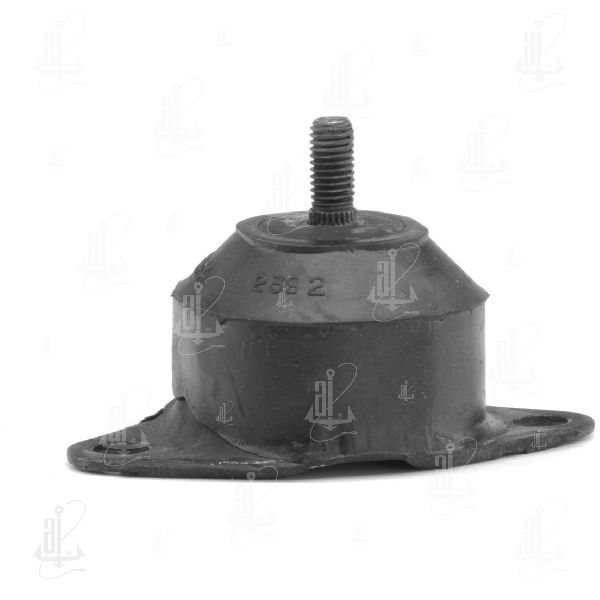
These mounts are designed to be direct, factory-style replacements. They use soft rubber to absorb vibrations, providing a ride quality similar to the original. They are affordable and widely available.
Brands: Anchor, DEA, Westar, Pioneer Cable, Skyward
Best For: Daily drivers and restorations where maintaining original ride comfort is the priority.
Honest Assessment: Budget-friendly brands like Anchor, DEA, and Westar have very mixed reviews in owner forums. Some users report premature failure, poor fitment, and rubber that is too hard, leading to unwanted vibrations right out of the box. While they are the most affordable option, be aware that the quality can be inconsistent.
Better: Polyurethane Mounts (Performance Upgrade)
Polyurethane is a much stronger and more durable material than rubber. It does not break down from oil exposure and will last much longer. It also significantly reduces transmission movement, which can result in crisper-feeling shifts.
Brands: Prothane, Daystar, Lakewood
Best For: Performance-oriented vehicles, or owners who want a permanent solution and don't mind a trade-off in comfort.
Honest Assessment: The biggest drawback of polyurethane is a noticeable increase in Noise, Vibration, and Harshness (NVH) inside the car. Because the material is so stiff, more of the drivetrain's natural vibrations are transferred to the frame and into the cabin. This is a trade-off you must be willing to accept for the added durability and performance. Some owners find it acceptable, while others find it too rough for a comfortable cruise.
Pro Tip: Inspect Your Engine Mounts
The engine and transmission mounts work together as a system. A failed transmission mount puts extra stress on the two engine mounts, and vice-versa. If you are replacing the transmission mount, it is critical to inspect your engine mounts for signs of cracking or separation. It is highly recommended to replace them all at the same time for the best results.
Cost of a New Transmission Mount for a 1973-1982 Buick Century
The cost for the part itself is low. The main cost variable is labor if you have a shop perform the work.
| Part Type | Part Cost (Approx.) | Shop Labor Cost (Approx.) |
|---|---|---|
| Aftermarket Rubber Mount | $7.93 - $20.00 | $100 - $200 |
| Aftermarket Polyurethane Mount | $25.00 - $34.29 |
Frequently Asked Questions
Can I replace the transmission mount myself?
Yes, for a classic rear-wheel-drive car like the 1973-1982 Century, this is a very feasible DIY job for someone with basic mechanical skills and tools. The process involves safely supporting the transmission from underneath with a jack and a block of wood, unbolting the mount from the crossmember and transmission, and installing the new one. Always use jack stands to support the vehicle frame for safety.
What's the difference between rubber and polyurethane mounts?
Rubber mounts provide a smoother, quieter ride by absorbing more vibration, but they wear out faster and can be damaged by oil. Polyurethane mounts are much more durable and performance-oriented but transmit significantly more vibration and noise into the car's cabin.
Are there any recalls for the 1973-1982 Buick Century transmission mount?
No, searches of the National Highway Traffic Safety Administration (NHTSA) database did not find any specific recalls or technical service bulletins (TSBs) for the automatic transmission mount on the 1973-1982 Buick Century. Any issues are typically related to age and normal wear and tear.
How do I know for sure if my transmission mount is bad?
The easiest way to check is to safely raise the vehicle and support it on jack stands. With the transmission in neutral and the parking brake firmly set, use a pry bar to gently lift the back of the transmission where the mount is located. If you see significant movement, cracking, or complete separation of the rubber from the metal, the mount needs to be replaced.
Technical Specifications
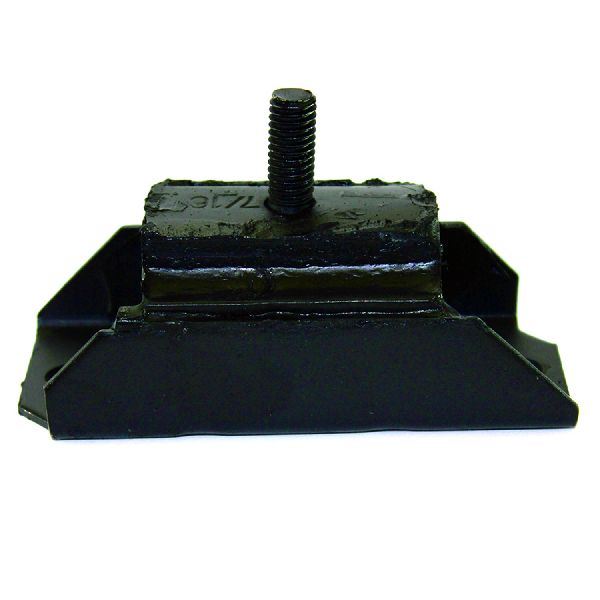
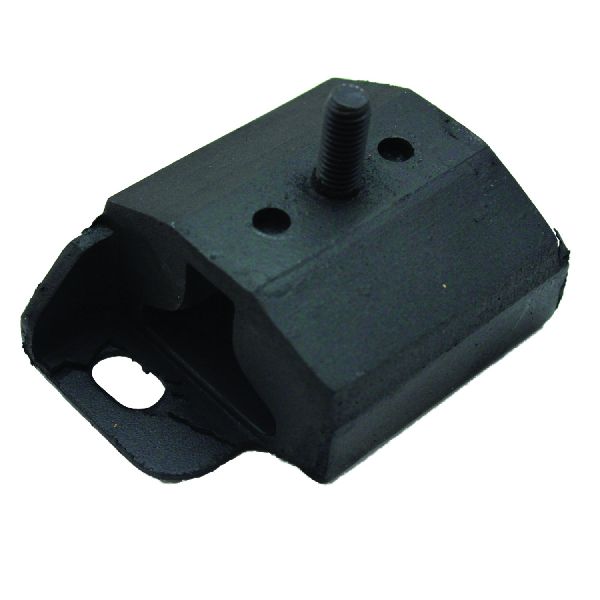
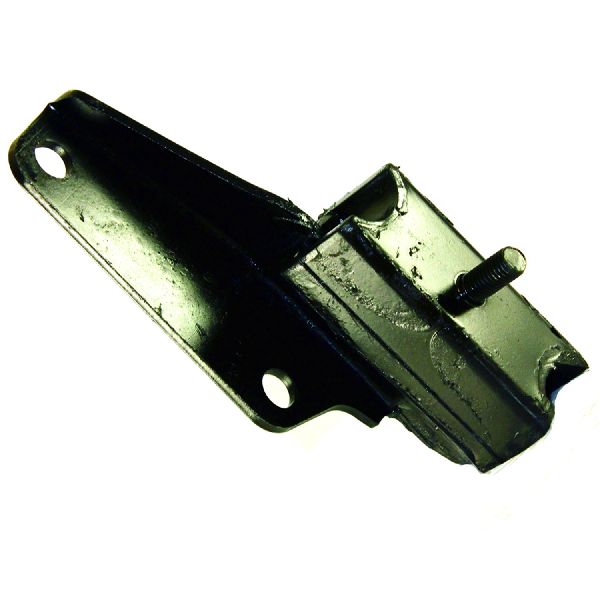
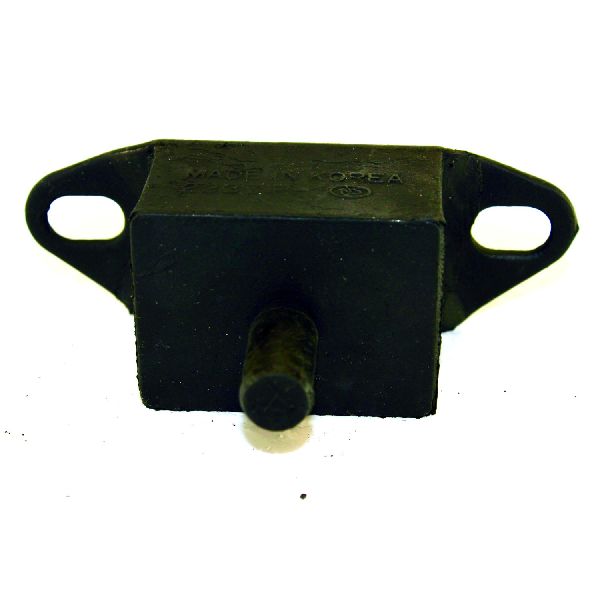
The standard mount for this vehicle is a single, bolt-through design that attaches the tailshaft of the transmission to the frame's crossmember. It consists of a rubber block bonded between two metal plates.
We Have This Part in Stock

The information in this article is provided for general reference and educational purposes only. Vehicle specifications, procedures, and part compatibility can vary by production date, trim level, and region. Always consult your vehicle's factory service manual and verify part numbers before purchasing or performing repairs. Safety-critical components such as airbags, seat belts, and braking systems should be installed by a qualified professional.
- 🛍️ Shop This Part
- Is Your Buick Century Clunking and Vibrating?
- Choosing the Right Aftermarket Mount for Your Century
- Good: Standard Rubber Mounts (OE-Style)
- Better: Polyurethane Mounts (Performance Upgrade)
- Pro Tip: Inspect Your Engine Mounts
- Cost of a New Transmission Mount for a 1973-1982 Buick Century
- Frequently Asked Questions
- 🎟️ Get 5% Off