

A Guide to Replacing Engine Mounts on Your 1973-1982 Buick Century
Eliminate excessive engine vibration and clunking noises by choosing the right new engine mounts for your classic Century.
- Symptoms of failure include heavy vibration, clunking noises, and visible engine lifting during acceleration.
- Standard rubber mounts (Anchor, DEA, Westar) are affordable but have mixed reviews on longevity.
- Polyurethane mounts (Energy Suspension) are durable and improve performance but create more cabin vibration.
- Always replace engine mounts in pairs and inspect the transmission mount at the same time.
Is Your Buick Century Shaking or Clunking? It Could Be the Engine Mounts
The engine mounts on your 1973-1982 Buick Century are wear-and-tear items. The rubber that absorbs vibrations gets hard and brittle over decades of use, exposure to heat, and contact with engine oil. When they fail, the symptoms are usually hard to ignore.
Common Signs of a Bad Engine Mount:
- Excessive Vibration: If you feel a new, strong vibration through the steering wheel, floor, or seats, especially when idling, the rubber in the mounts may have failed.
- Loud Noises: A distinct 'clunk' or 'bang' from the engine bay when you accelerate, decelerate, or shift gears is a classic sign. This is the sound of the engine moving too much and hitting other components.
- Visible Engine Movement: A simple way to check is to have a friend watch the engine while the car is in drive with the brakes held firmly. Briefly and carefully apply the throttle. If the engine lifts or twists excessively, the mounts are likely worn out.
A Note on Oil Leaks
Engine oil is the enemy of the rubber used in most engine mounts. If you have an oil leak, it can drip onto the mounts and cause the rubber to swell, soften, and fail prematurely. Before installing new mounts, inspect for and repair any oil leaks to protect your new parts.
Choosing the Right Aftermarket Mount for Your Century
Finding genuine GM parts for a vehicle of this era is difficult. The market today consists almost entirely of aftermarket replacements. They generally fall into two categories:
Good: Standard Rubber Mounts (OEM Style)
These mounts are designed to be direct, factory-style replacements. They use rubber to absorb vibrations, providing a ride quality similar to the original. They are affordable and widely available.
- Brands: Anchor, DEA, Westar, Pioneer
- Best For: Daily drivers and restorations where maintaining original ride comfort is the priority.
- Honest Assessment: Brands like Anchor, DEA, and Westar are known for being budget-friendly. Forum discussions show mixed results; some mechanics and owners use them without issue, while others have reported premature failures or fitment problems. Pioneer is sometimes cited as having a slightly better reputation for fit and finish. For a stock vehicle that sees normal use, these are a practical choice.
Better: Polyurethane Mounts (Performance)
Polyurethane is a much stronger and more durable material than rubber. It does not break down from oil exposure and will last much longer. It also significantly reduces engine movement, which can improve throttle response.
- Brands: Energy Suspension
- Best For: Modified vehicles, performance driving, or owners who want a long-lasting part and don't mind a rougher ride.
- Honest Assessment: The main drawback of polyurethane is a major increase in Noise, Vibration, and Harshness (NVH) inside the car. Because the material is so stiff, more of the engine's natural vibrations are transferred to the frame and into the cabin. This is a trade-off you must be willing to accept for the added durability and performance.
Pro Tip: Replace in Pairs
It is highly recommended to replace your engine mounts in pairs (left and right). If one has failed, the other is likely not far behind. Replacing only one can put extra stress on the new mount and the old transmission mount.
Cost of New Engine Mounts for 1973-1982 Buick Century
The cost for parts is relatively low. The main cost difference comes from labor if you have a shop perform the work.
| Part Type | Part Cost (Per Mount) |
|---|---|
| Aftermarket Rubber Mount (e.g., Anchor, Westar, DEA) | $16.49 - $35.00 |
| Aftermarket Polyurethane Mount (e.g., Energy Suspension) | $30.00 - $50.62 |
Frequently Asked Questions
How many engine mounts does my Buick Century have?
Most V8 and V6 rear-wheel-drive cars of this era have two engine mounts and one transmission mount. The transmission mount is located at the back of the transmission and should also be inspected when replacing the engine mounts.
What is the difference between rubber and polyurethane mounts?
Rubber mounts provide a smoother, quieter ride by absorbing more vibration, but they wear out faster and can be damaged by oil. Polyurethane mounts are much more durable and performance-oriented but transmit significantly more vibration and noise into the car's cabin.
Can I replace the engine mounts myself?
Yes, for a classic rear-wheel-drive car like the 1973-1982 Century, this is a very feasible DIY job for someone with basic mechanical skills and tools. The process involves safely supporting the engine from underneath with a jack and a block of wood, unbolting the old mounts, and installing the new ones. Always use jack stands to support the vehicle frame for safety.
Are there any recalls for Buick Century engine mounts?
No specific recalls or technical service bulletins (TSBs) were found for engine mount failures on the 1973-1982 Buick Century. Issues on record are typically for much newer models or different problems.
Technical Specifications
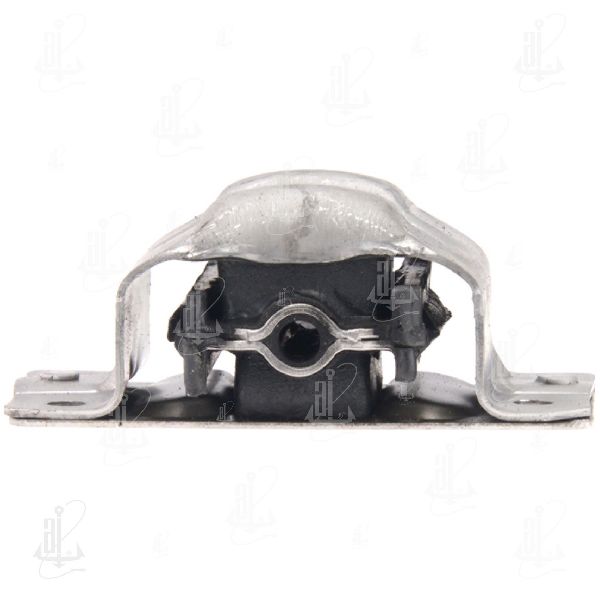
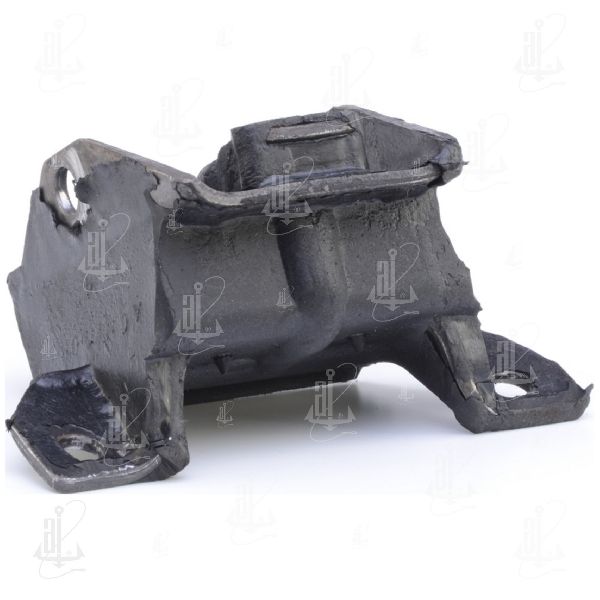
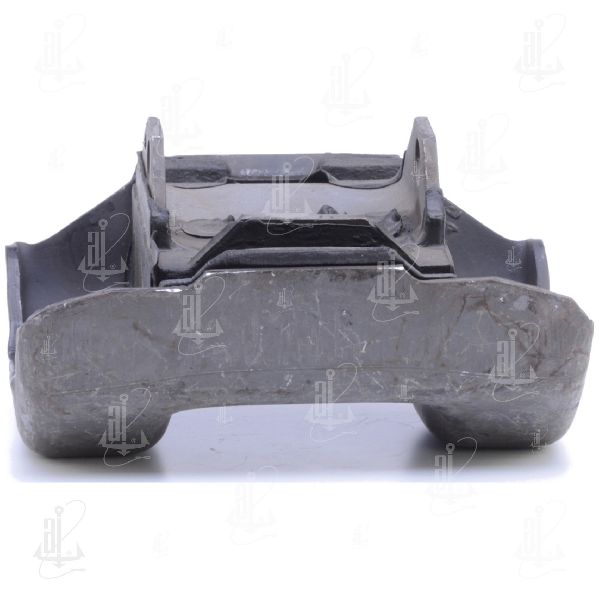
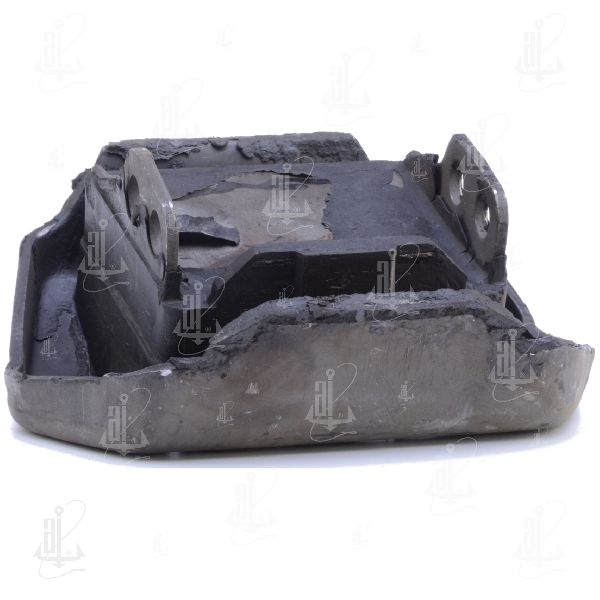
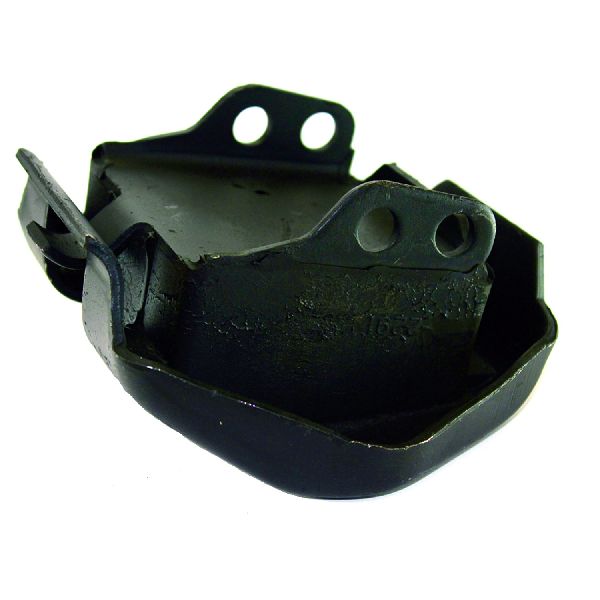
Vehicle configuration typically uses two engine mounts (left and right) and one transmission mount. Mounts are a clamshell or block style, made of steel and rubber or polyurethane.
We Have This Part in Stock


The information in this article is provided for general reference and educational purposes only. Vehicle specifications, procedures, and part compatibility can vary by production date, trim level, and region. Always consult your vehicle's factory service manual and verify part numbers before purchasing or performing repairs. Safety-critical components such as airbags, seat belts, and braking systems should be installed by a qualified professional.
- 🛍️ Shop This Part
- Is Your Buick Century Shaking or Clunking? It Could Be the Engine Mounts
- Common Signs of a Bad Engine Mount:
- A Note on Oil Leaks
- Choosing the Right Aftermarket Mount for Your Century
- Good: Standard Rubber Mounts (OEM Style)
- Better: Polyurethane Mounts (Performance)
- Pro Tip: Replace in Pairs
- Cost of New Engine Mounts for 1973-1982 Buick Century
- Frequently Asked Questions
- 🎟️ Get 5% Off