

A Mechanic's Guide to the 1973-1982 Buick Century Power Steering Pump
Steering your classic Century shouldn't be a workout; here's what to know about replacing your power steering pump.
- The most common failure symptoms are whining noises that change with engine RPM and stiff steering at low speeds.
- Quality of remanufactured pumps from brands like Cardone and BBB Industries can be inconsistent; a new aftermarket unit may offer more reliability.
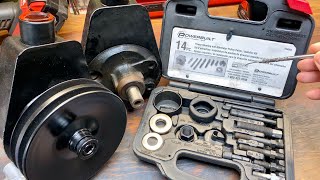
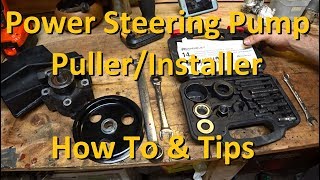
- A special pulley remover/installer tool is required for the job, as the original pulley must be transferred to the new pump.
- Always flush the old fluid and bleed the air from the system after installation to prevent noise and damage to the new pump.
Symptoms of a Failing Power Steering Pump
The Saginaw-style power steering pumps used in this generation of Buick Century have some classic warning signs when they start to fail. Ignoring them can lead to more expensive repairs if the pump fails completely and sends metal debris through the steering system.
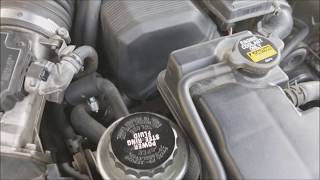
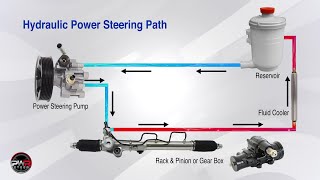
- Whining or Groaning Noises: This is the most common symptom. You'll hear a whining or groaning sound that gets louder when you turn the wheel and changes pitch with the engine's RPM. 🎬 Watch: How to diagnose whining noises and hard steering. This is often caused by low fluid or air getting into the system.
- Stiff Steering: If turning the wheel, especially at a stop or at low speeds, requires a lot of muscle, your pump is likely not producing enough pressure. This can happen suddenly or get progressively worse.
- Fluid Leaks: Finding reddish or brownish fluid drips under the front of your car is a strong sign of a leak. The pump has several seals that can wear out over time, leading to leaks from the pump body or shaft.
- Dirty Fluid: If you check your power steering fluid and it looks dark, murky, or has shiny metal flakes in it, the pump is likely wearing out internally.
Check Hoses and Fluid First
Before condemning the pump, always check the power steering fluid level and condition. Also, inspect the high-pressure and return hoses for leaks, cracks, or softness. A leaking hose can introduce air into the system and cause whining noises similar to a failing pump.
Choosing the Right Aftermarket Pump
For a classic car like the 1973-1982 Century, finding a brand-new, original equipment (OEM) pump is not a realistic option. Your choices will be in the aftermarket, primarily between new and remanufactured units.
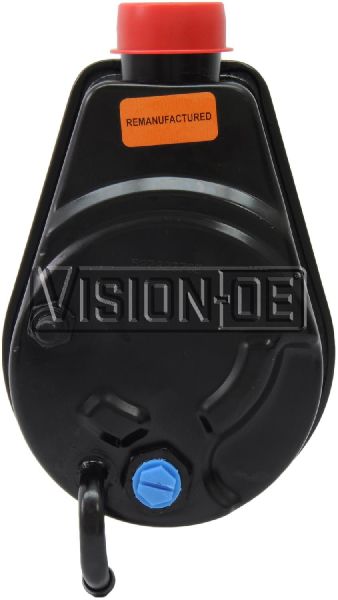
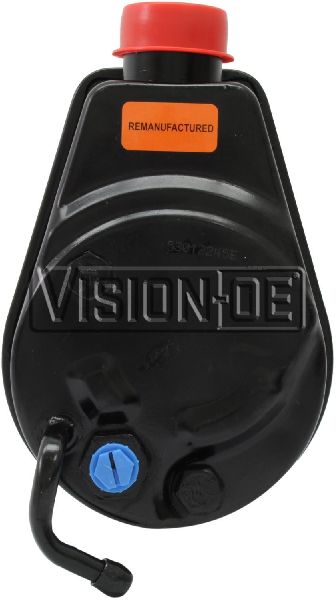
- Remanufactured Aftermarket Pumps (e.g., A1 Cardone, BBB Industries): These are original pump cores that have been rebuilt. They are disassembled, cleaned, and worn components like seals and O-rings are replaced. However, the quality of remanufactured parts can be inconsistent. Forum users frequently report issues with premature leaks or noisy operation, sometimes requiring multiple replacements to get a good unit. While they are a budget-friendly option, be aware of the potential for quality control issues.
- New Aftermarket Pumps (e.g., Cardone New): Some brands offer completely new pumps that are designed to match OEM specifications. These often come with a better warranty (sometimes lifetime) compared to remanufactured units. While they cost more than remanufactured options, they can provide better peace of mind and reduce the risk of a premature failure.
Pro Tip: Flush The System
When you replace your power steering pump, it is critical to flush the entire system with fresh, manufacturer-recommended power steering fluid. Old, contaminated fluid can damage your new pump and void its warranty. Consider adding an inline filter to the low-pressure return line to catch any remaining debris and protect your new investment.
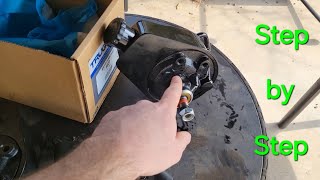
🎬 See this step-by-step guide for replacing your steering pump.Estimated Replacement Costs
The cost to replace the power steering pump on your Buick Century will vary based on the part you choose and whether you do the work yourself.
| Item | Estimated Cost |
|---|---|
| New Aftermarket Pump | $120 - $250 |
| Remanufactured Aftermarket Pump | $83 - $150 |
| Shop Labor | $150 - $300 |
| Total Estimated Cost (Shop) | $233 - $550 |
Frequently Asked Questions
Do I have to swap the pulley?
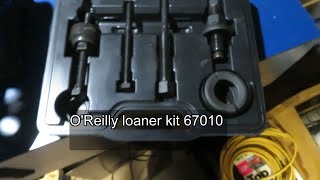
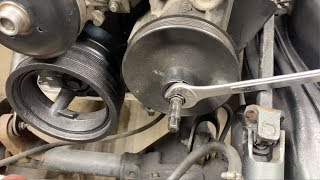
Yes, in most cases. Replacement pumps for this vehicle typically do not come with a new pulley. You will need to remove the pulley from your old pump and install it on the new one. This requires a special power steering pump pulley puller/installer tool, which can often be rented from auto parts stores. Do not use a standard jaw puller, as this can damage the pulley or the pump.
🎬 Watch: How to use a loaner tool to swap pulleys.Why is my new pump whining?
A whining noise after installation is almost always caused by air trapped in the power steering system. After installing the pump and filling the reservoir, you must bleed the system. With the engine off, turn the steering wheel from lock to lock several times to work the fluid into the system. Then, start the engine and repeat the process, topping off the fluid as the level drops. It may take several cycles to purge all the air.
What kind of fluid should I use?
Always use the fluid type recommended for your vehicle. For this era of GM vehicle, standard power steering fluid is typically specified. Do not use automatic transmission fluid (ATF) unless it is explicitly called for. Using the wrong fluid can damage seals and cause poor performance.
Are there any recalls for this issue?
No. Searches of the NHTSA database show no open recalls for the power steering pump on the 1973-1982 Buick Century. Recalls for Buick power steering systems are for much newer models with different technologies.
Helpful Videos


Technical Specifications
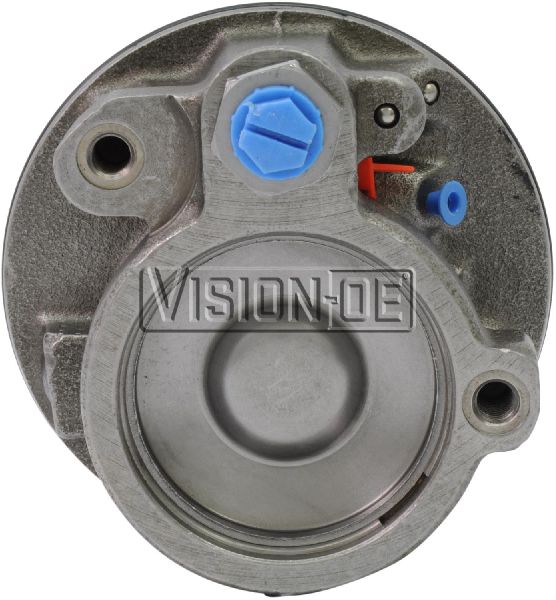
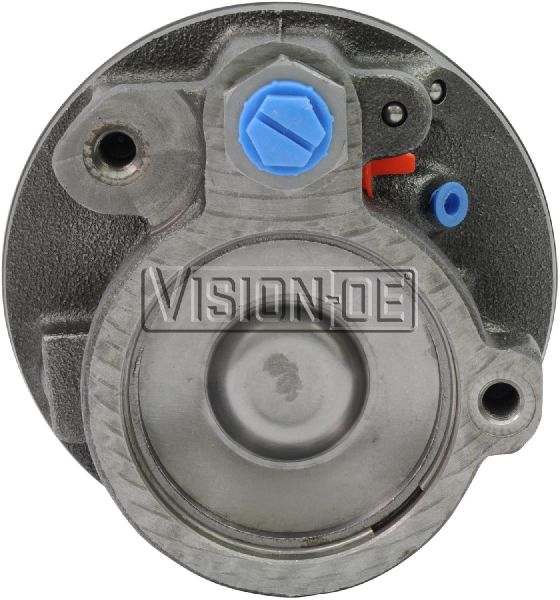
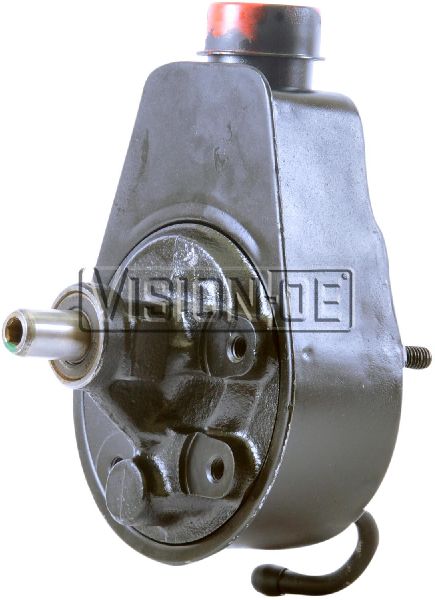
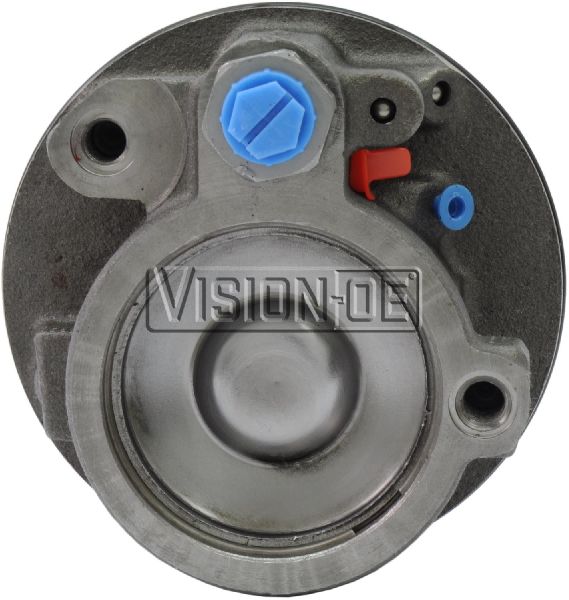
The 1973-1982 Buick Century uses a GM Saginaw style power steering pump, often with a keyed shaft for the pulley. It is a self-contained unit with an integrated fluid reservoir, sometimes referred to as a 'canned ham' style pump.
We Have This Part in Stock

The information in this article is provided for general reference and educational purposes only. Vehicle specifications, procedures, and part compatibility can vary by production date, trim level, and region. Always consult your vehicle's factory service manual and verify part numbers before purchasing or performing repairs. Safety-critical components such as airbags, seat belts, and braking systems should be installed by a qualified professional.