

Suspension Stabilizer Bar Link Kit Guide for the 1973-1982 Buick Century
Eliminate front-end clunks and tighten up the handling on your classic Century by choosing the right stabilizer link kit.
- The most common sign of failure is a clunking noise from the front end when going over bumps.
- Always replace stabilizer links in pairs to ensure even handling and prevent repeat repairs.
- This is a very DIY-friendly repair that requires basic tools and less than an hour for most owners.
- When tightening, compress the bushings only until they bulge to the diameter of the washers to avoid damage.
Symptoms of a Failing Stabilizer Link Kit
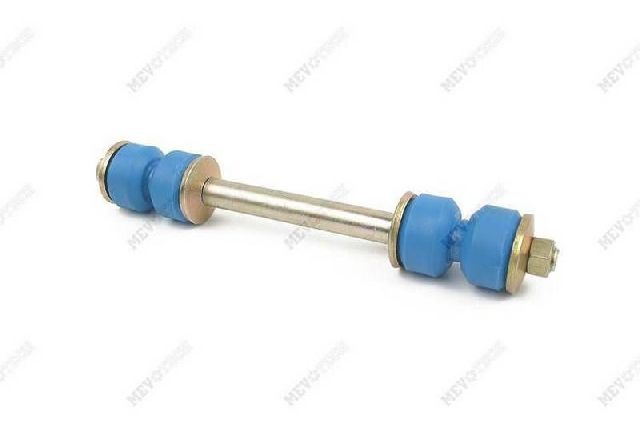
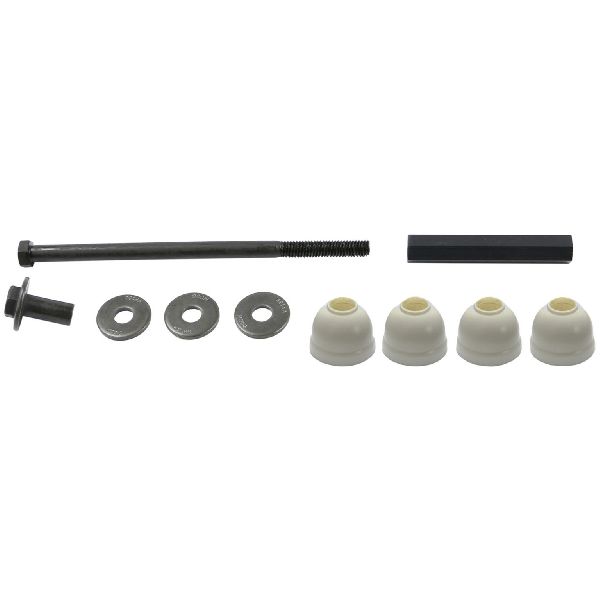
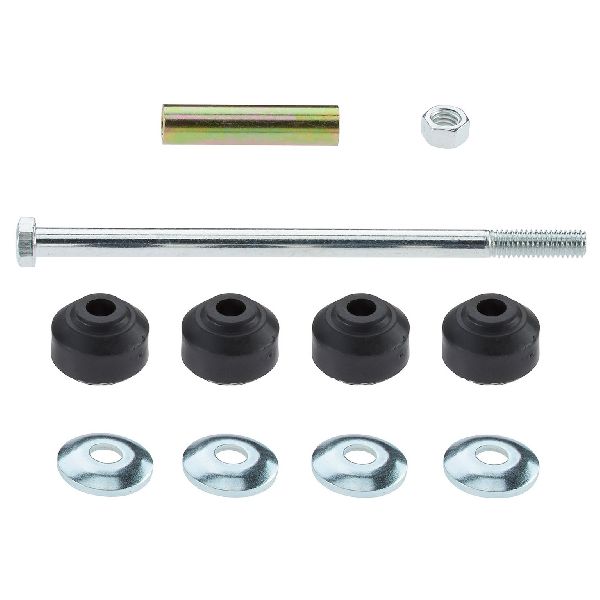
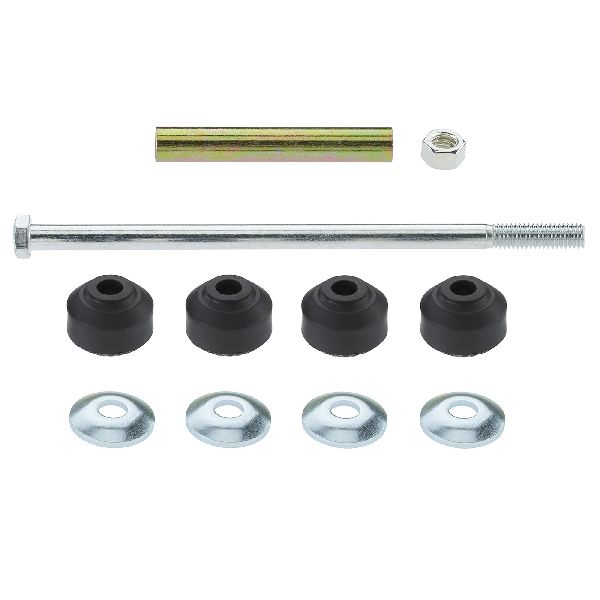
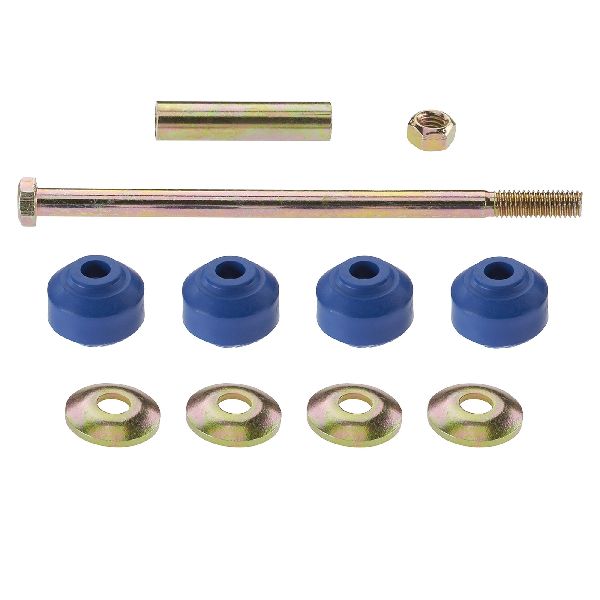
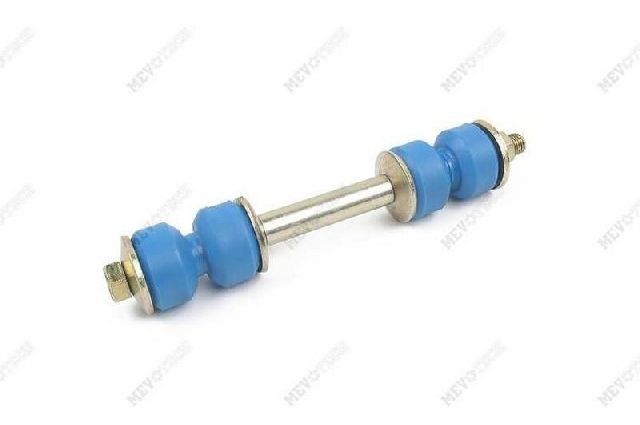
For the 1973-1982 Buick Century, the stabilizer link design is a basic bolt-and-bushing style. Over decades of use, the rubber bushings dry out, crack, and fall apart, and the metal components can rust or bend. When this happens, you'll likely notice some distinct issues.
Key Failure Symptoms
- Clunking or Rattling Noises: This is the most common symptom. You'll hear a metallic clunk or rattle from the front end, especially when driving over bumps, uneven roads, or turning at low speeds. This noise is the sound of the loose or broken link parts moving around.
- Excessive Body Roll & Poor Handling: If the links are broken, the stabilizer bar is no longer connected to the suspension. Your Century will lean more heavily in turns, feeling less stable and “wallowy.” This can compromise handling, especially in quick maneuvers.
- Visible Damage: A quick visual inspection can often confirm the problem. Look for cracked, squashed, or missing rubber bushings where the link connects to the sway bar and control arm. You might also see that the link's main bolt is bent or heavily rusted.
Choosing the Right Aftermarket Link Kit
Since original OEM parts for this era are scarce, the aftermarket is your go-to source. The good news is that for a simple part like this, aftermarket quality is often excellent. The main differences come down to the quality of the hardware and, most importantly, the bushing material.
Brand Quality Tiers
For your Century, the available brands can be grouped into general quality tiers based on owner feedback and reputation.
- Premium (Moog, Mevotech Supreme): Moog is a well-regarded brand, often known for its "Problem Solver" parts that may feature design improvements over the original. For a classic car, this could mean more durable bushings or better corrosion-resistant hardware. Mevotech's higher-end lines are also considered good quality. These brands are a great choice if you prioritize longevity and performance.
- Standard (Delphi, Dorman): Delphi is a major OEM supplier, so their parts are typically trusted to meet original specifications. Dorman offers a vast catalog and is a reliable choice for a standard, direct-fit replacement. These brands offer a good balance of quality and cost.
- Economy (QuickSteer): QuickSteer is generally positioned as a budget-friendly option. For a simple part like a stabilizer link on a classic car, this can be a perfectly adequate choice if cost is your primary concern.
Pro Tip: Rubber vs. Polyurethane Bushings
Some premium kits may offer polyurethane bushings instead of standard rubber. Polyurethane is stiffer and more durable than rubber, which can provide a slightly firmer ride and more responsive handling. However, traditional rubber bushings will give you a ride feel that is closer to the original factory comfort. The choice depends on whether you prefer performance or originality.
Typical Replacement Costs
The cost to replace stabilizer bar links on a 1973-1982 Century is very reasonable due to the low part cost and simple labor involved.
| Item | Estimated Cost |
|---|---|
| New Aftermarket Part (Pair) | $10 - $45 |
| Shop Labor | $75 - $150 |
| Total Estimated Cost | $85 - $195 |
Frequently Asked Questions (FAQ)
Should I replace my stabilizer links in pairs?
Yes, it is highly recommended to replace both the left and right side links at the same time. Since they are exposed to the same conditions and wear at a similar rate, if one has failed, the other is likely not far behind. Replacing them in pairs ensures balanced handling and prevents you from having to do the same job twice.
How difficult is it to replace the stabilizer links myself?
This is a great DIY job for beginners. The replacement is straightforward and requires basic hand tools like wrenches and sockets. The most common difficulty is dealing with rusted nuts, so having penetrating oil on hand is a good idea. The entire process for both sides usually takes less than an hour.
Are there any recalls for this part on my Buick Century?
No, there are no specific recalls for the suspension stabilizer bar links on the 1973-1982 Buick Century. While there were other recalls for this vehicle generation, none addressed the sway bar links.
How tight should I make the nuts on the new links?
Do not overtighten the nuts. The general rule for this style of link is to tighten the nut until the rubber or polyurethane bushing swells to be about the same diameter as the metal washer. Overtightening can crush and destroy the new bushings, causing them to fail prematurely.
Technical Specifications
The design for this vehicle is a simple bolt-and-bushing style. The primary specification difference between aftermarket kits is the bushing material, which is typically either standard rubber (for an original ride feel) or firmer polyurethane (for enhanced performance).
We Have This Part in Stock

The information in this article is provided for general reference and educational purposes only. Vehicle specifications, procedures, and part compatibility can vary by production date, trim level, and region. Always consult your vehicle's factory service manual and verify part numbers before purchasing or performing repairs. Safety-critical components such as airbags, seat belts, and braking systems should be installed by a qualified professional.