

A Guide to the Engine Timing Cover Gasket Set for 1973-1982 Buick Regal
Leaking oil from the front of your Regal's engine? Your timing cover gasket has likely failed.
- You must identify your specific engine (e.g., 231 V6, 350 V8) to buy the correct gasket set.
- While the cover is off, always replace the front crankshaft seal and inspect the timing chain for wear.
- Properly cleaning the mating surfaces on the engine block and cover is the most critical step for a leak-free repair.
- Use a small amount of RTV sealant at the corners where the timing cover, block, and oil pan meet.
Symptoms of a Failing Timing Cover Gasket
On a classic car like the 1973-1982 Buick Regal, gaskets degrade over time due to age and heat. When the timing cover gasket fails, the symptoms are usually hard to miss.
- Oil Leaks: The most common sign is an oil leak at the front of the engine. You may see drips on the ground or a coating of oily grime on the engine block, crossmember, and oil pan.
- Coolant Leaks: If your Regal's water pump mounts to the timing cover, the gasket also seals coolant passages. A failure can cause a coolant leak from the front of the engine, which can be mistaken for a bad water pump.
- Burning Smell: Oil dripping onto the hot exhaust components will create a distinct burning smell that can be noticeable while driving or after parking.
- Low Fluid Levels: A persistent leak will require you to constantly top off your engine oil or coolant. Driving with low oil can lead to severe engine damage.
Important: Identify Your Engine!
The 1973-1982 Buick Regal was available with several different engines, most commonly the Buick 231 V6 and various V8s (like the Buick 350). These engines use different timing cover gaskets. Before ordering, you must correctly identify your engine to ensure you get the right parts. Check the VIN or engine block casting numbers if you are unsure.
Choosing the Right Aftermarket Gasket Set
Since original OEM parts for this vehicle are largely unavailable, the market consists of aftermarket brands. Quality varies, but even budget-friendly options can provide a good seal if installed correctly. The key difference is often in material technology and longevity.
Brand Quality Tiers
- Premium / High-Performance (Cometic, Sce Gaskets): These brands are known for producing high-end gaskets, often using Multi-Layer Steel (MLS) or other advanced materials. They are an excellent choice for high-compression, high-RPM, or rebuilt performance engines. For a stock daily driver, they might be overkill but offer maximum peace of mind.
- Quality Standard Replacement (Edelbrock, Victor Gaskets/Reinz): Brands like Victor Reinz are well-respected and often supply original manufacturers. Edelbrock is a staple in the performance aftermarket. These gaskets meet or exceed OEM specifications and are a reliable choice for stock rebuilds and daily drivers.
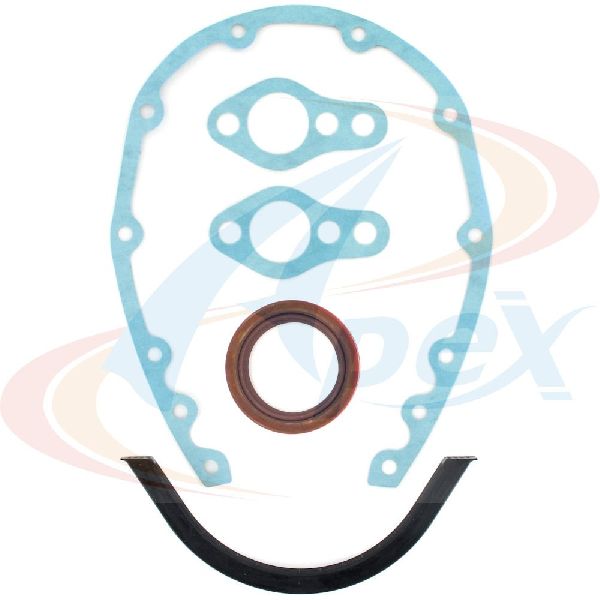
- Economy (Apex): These gaskets are designed to be a functional, budget-friendly solution. They will seal properly but may use simpler materials like standard paper or cork/rubber composites. For a reliable seal, meticulous surface preparation is key with any brand, but especially important here.
Pro Tip: Most timing cover gasket sets for these Buick engines include a new front crankshaft seal. It is highly recommended that you replace this seal while the timing cover is off, as it is a common source of front-engine oil leaks.
🎬 See a full walkthrough of the timing cover and seal replacement.Estimated Costs for Replacement
The cost to replace the timing cover gasket set can vary based on who does the work. The parts themselves are affordable.
| Item | Estimated Cost |
|---|---|
| Aftermarket Gasket Set | $12 - $62 |
| Shop Labor | $300 - $550 |
Note: Labor costs are an estimate for a classic vehicle and can vary significantly by shop and location. This job is less complex than on modern cars.
Frequently Asked Questions (FAQ)
Is this a difficult job to do yourself?
For a DIY mechanic with some experience, this is a manageable but involved job. It requires draining the oil and coolant, and removing the radiator, fan, belts, water pump, and harmonic balancer to access the cover. The most critical part is cleaning the old gasket material from the engine block and timing cover without scratching the surfaces.
Should I use sealant on the new gaskets?
Yes, but sparingly. It's common practice to apply a very thin layer of RTV silicone sealant to hold the gaskets in place during assembly. A small dab of RTV is also crucial where the timing cover, engine block, and oil pan meet to prevent leaks at these corners. Follow the gasket manufacturer's instructions.
Should I replace the timing chain at the same time?
Since you'll have the cover off, it is the perfect time to inspect the timing chain and gears for wear and stretching. If the engine has high mileage or the chain has significant slack, replacing it is a smart move. This adds minimal labor to the overall job.
🎬 Watch a detailed demonstration of Buick V6 timing chain replacement.What is the difference between a multi-piece and one-piece gasket?
Some kits come with multiple gaskets for the timing cover, oil pan, and water pump. Others may offer a more integrated design. For this vehicle, you will typically receive a set with the main timing cover gasket, a front crank seal, and sometimes water pump and oil pan gaskets. Ensure the kit you buy has the parts you intend to replace.
Helpful Videos
Technical Specifications
Gasket materials vary by brand and include paper, fiber, cork-rubber composites, and Multi-Layer Steel (MLS). Sets typically include the main timing cover gasket and a front crankshaft seal.
We Have This Part in Stock


The information in this article is provided for general reference and educational purposes only. Vehicle specifications, procedures, and part compatibility can vary by production date, trim level, and region. Always consult your vehicle's factory service manual and verify part numbers before purchasing or performing repairs. Safety-critical components such as airbags, seat belts, and braking systems should be installed by a qualified professional.