

A Practical Guide to the 1973-1982 Buick Regal Power Steering Pump
Everything you need to know before replacing the power steering pump on your classic second or third-generation Regal.
- For this vehicle, 'new' aftermarket pumps are actually remanufactured. Quality can be inconsistent, even with known brands like Cardone.
- Having your original GM pump rebuilt by a trusted shop is often a more reliable option than buying a mass-market remanufactured part.
- Proper installation is critical. You must flush all old fluid and debris from the system and bleed the air out correctly to avoid damaging the new pump.
- There are no relevant recalls or TSBs for the 1973-1982 models; failures are due to age and normal wear.
Is Your Power Steering Pump Failing?
The power steering system on these classic Buicks is straightforward but subject to wear after 40+ years of service. Failure usually isn't sudden. You'll likely notice one or more of these symptoms getting progressively worse.
Common Symptoms of a Bad Pump:
- Whining or Groaning Noises: A distinct whining sound that gets louder when you turn the wheel or rev the engine is the most common sign of a failing pump. This is often caused by low fluid or internal wear.
- Stiff Steering: If turning the steering wheel, especially in parking lots or at low speeds, requires a lot of muscle, your pump is likely not providing enough hydraulic assistance.
- Fluid Leaks: Puddles of reddish or clear fluid under the front of your car are a tell-tale sign. While hoses can also leak, the pump's seals are a frequent failure point.
- Contaminated Fluid: If you check your power steering fluid and it looks dark and dirty, or has shiny metal flakes in it, the pump is likely failing internally.
Choosing the Right Aftermarket Pump
For a vehicle from the 1973-1982 model years, finding a "new" OEM power steering pump from GM is not a realistic option. Your choice will be between remanufactured aftermarket pumps and finding a used original pump to have rebuilt. The parts you see for sale are almost always remanufactured units.
Aftermarket Brand Tiers
| Brand | Tier | Notes |
|---|---|---|
| Cardone | Economy / Standard | Cardone is a very common remanufacturer. However, quality can be inconsistent. Forum users report mixed experiences, with some parts failing quickly or being defective out of the box. They are widely available and often come with a lifetime warranty, but you might be doing the job more than once. |
| BBB Industries | Standard | BBB Industries is another major remanufacturer. They are generally considered to be a step above store-brand parts. Some mechanics view them as a more reliable choice when an original part isn't available. Still, as with any remanufactured part for a classic car, quality can vary. |
| Local Rebuilder / Used OEM | Variable | Many experts on classic car forums suggest that having your original GM pump rebuilt by a reputable local shop is the best path to reliability. An original factory pump is often a better starting point for a rebuild than a mass-market remanufactured unit. |
Pro Tip: Regardless of the brand you choose, the installation process is critical. You must completely flush the old, contaminated fluid from the entire system (including the steering box) before installing the new pump. Failing to do so can cause the new pump to fail immediately.
Known Issues, Recalls, and Service Bulletins
There are no active recalls or widespread Technical Service Bulletins (TSBs) from the NHTSA for the hydraulic power steering systems on 1973-1982 Buick Regals. Any recalls you may find for a Buick Regal power steering system are for much newer models (2016+) with completely different electric steering systems and do not apply to your vehicle. The most common problems are simply due to the age and wear of the components.
Cost of Replacement
The cost to replace a power steering pump on a '73-'82 Regal is more reasonable than on a modern car. The job is straightforward for a mechanic.
| Item | Estimated Cost |
|---|---|
| Remanufactured Aftermarket Part | $83 - $248 |
| Shop Labor | $150 - $250 (1.5-2 hours) |
| Estimated Total | $233 - $498 |
Costs are estimates and will vary by location and the specific parts chosen. This does not include taxes or shop fees.
Frequently Asked Questions
Do I need a special tool to replace the pump?
Yes. You will need a power steering pump pulley remover and installer tool. These pumps have a pulley that is press-fit onto the shaft. Attempting to use a standard jaw puller will likely damage the pulley. You can often rent this tool from auto parts stores.
Should I replace the hoses at the same time?
It is highly recommended. If your pump has failed, the hoses are just as old and have been exposed to the same heat and pressure. Replacing the high-pressure and return hoses is a smart investment to prevent a future leak and avoid having to do the job twice.
What kind of power steering fluid should I use?
For this era of GM vehicle, standard power steering fluid is appropriate. Always check the instructions on your replacement pump, but avoid using fluids that say they are specifically for Honda/Acura or other non-GM vehicles. Flushing the system and refilling with fresh, clean fluid is the most important step.
Why did my new remanufactured pump fail right away?
This can happen for two main reasons. First, remanufactured parts can sometimes be defective out of the box. Second, and more commonly, the failure is due to improper installation. If the old, contaminated fluid and any metal debris from the previous failed pump were not completely flushed from the steering box and lines, that debris will circulate and destroy the new pump very quickly.
Technical Specifications
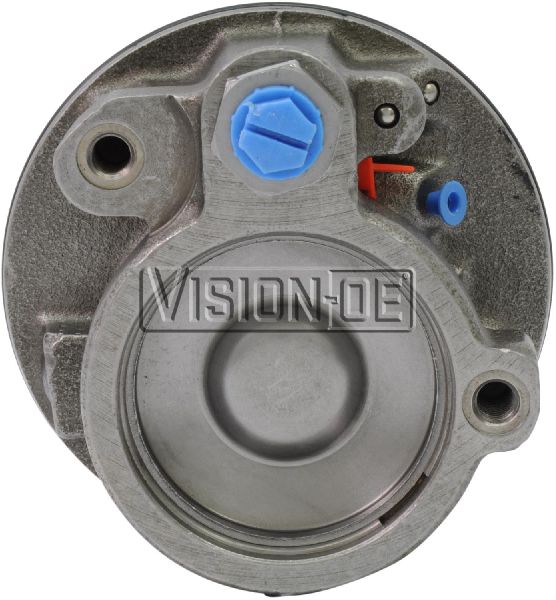
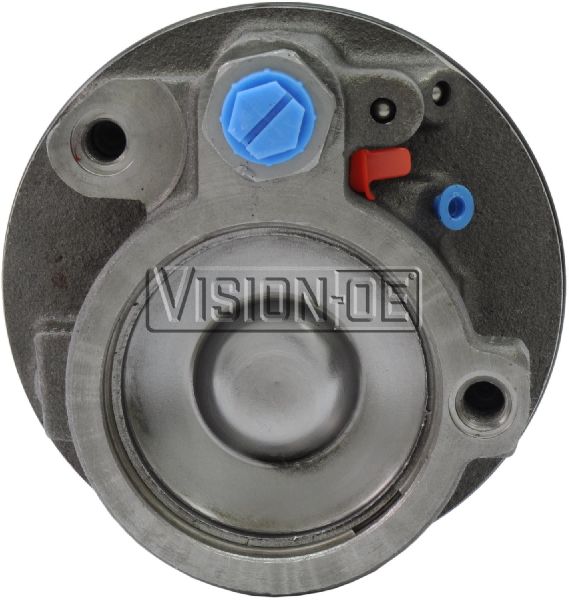
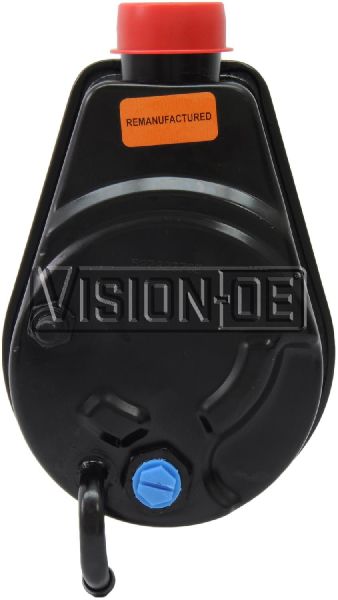
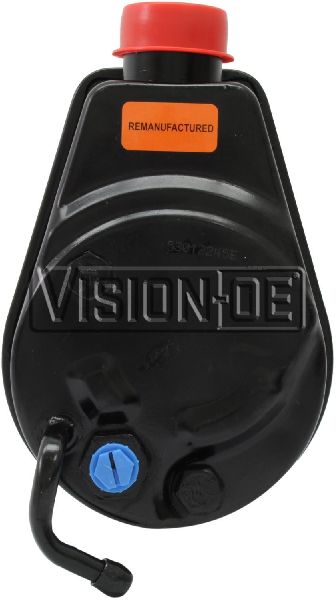
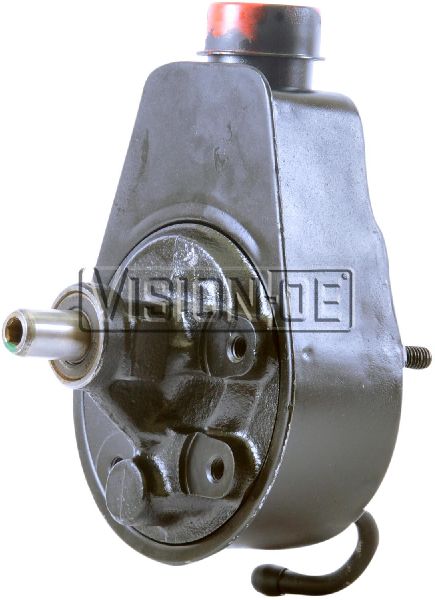
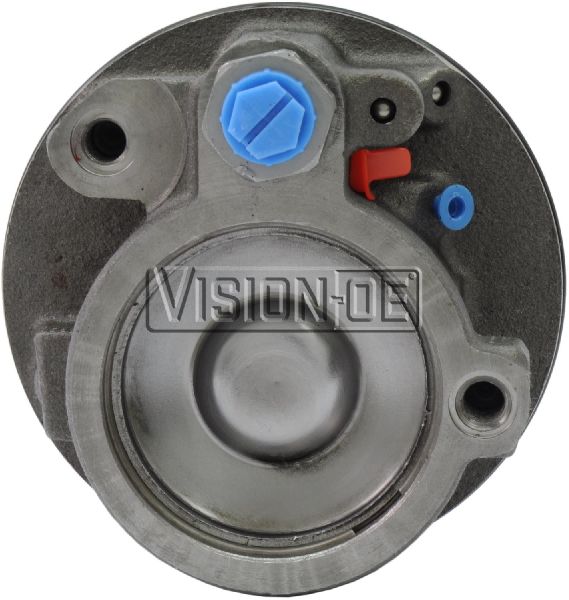
This vehicle uses a belt-driven hydraulic pump, typically a Saginaw P-series pump. The pulley is press-fit and requires a special tool for removal and installation. The reservoir may be integrated or remote depending on the exact year and engine configuration.
We Have This Part in Stock

The information in this article is provided for general reference and educational purposes only. Vehicle specifications, procedures, and part compatibility can vary by production date, trim level, and region. Always consult your vehicle's factory service manual and verify part numbers before purchasing or performing repairs. Safety-critical components such as airbags, seat belts, and braking systems should be installed by a qualified professional.