

Buick Regal Starter Replacement Guide for 1973-1982 Models
Don't get stranded by a bad starter; understand the common problems and best replacement parts for your classic Regal.
- A common failure on these Regals, especially V8s, is 'heat soak', where the starter fails to work when hot.
- Upgrading to a modern, gear-reduction mini-starter is a popular and effective solution for heat soak and provides more cranking power.
- Listen for symptoms like a single click, slow cranking, or grinding noises, but always test the battery first.
- Replacement is a DIY-friendly job, but checking for proper gear mesh, with shims if needed, is critical to prevent damage.
Is Your Regal's Starter Failing?
A failing starter in a 1973-1982 Buick Regal rarely dies without warning. The signs are usually clear, but they can sometimes be confused with a bad battery. Always test your battery first, as a weak or dead battery causes the most common starting issues. If the battery is healthy, the starter is the next likely culprit.
Common Symptoms:
- Single Loud Click: You turn the key and hear one solid 'CLICK' from the engine bay, but the engine doesn't crank. This is a classic sign of a bad starter motor or a faulty solenoid.
- Slow, Labored Cranking: The engine turns over much slower than usual, as if the battery is weak. If you know the battery is good, this can point to a starter motor that is worn out and drawing too much power.
- Grinding Noise: A harsh grinding or screeching sound when you try to start the engine means the starter gear is not meshing correctly with the flywheel. Stop trying to start the car immediately to avoid expensive flywheel damage.
- No Sound at All: If you turn the key and get nothing—no click, no crank, but your dashboard lights work—the problem could be the starter, solenoid, or the wiring in between.
Known Issue: Starter Heat Soak
A very common problem on these older GM vehicles, especially those with V8 engines, is "heat soak." This happens when the starter, located close to the hot exhaust manifold, absorbs so much heat that its internal electrical resistance increases. The result is a starter that works perfectly when the engine is cold, but fails to crank when the engine is hot. After letting the car sit and cool down for 15-30 minutes, it may start normally again. This is a tell-tale sign of heat soak.
Choosing the Right Aftermarket Starter
For a vehicle of this age, finding a new OEM (Original Equipment Manufacturer) starter is highly unlikely. Your options will be new aftermarket parts or remanufactured units. Given the known heat soak issue, this is one area where an aftermarket part can be a significant upgrade over the original design.
Brand Quality & Tiers
When shopping for a new starter, you'll encounter several brands. Here’s an honest assessment based on general market reputation for classic American cars:
- Bosch: Often considered a top-tier brand for remanufactured parts. Bosch has a rigorous testing and rebuilding process, ensuring their starters meet or exceed original specifications. They are a reliable choice for a high-quality, durable replacement.
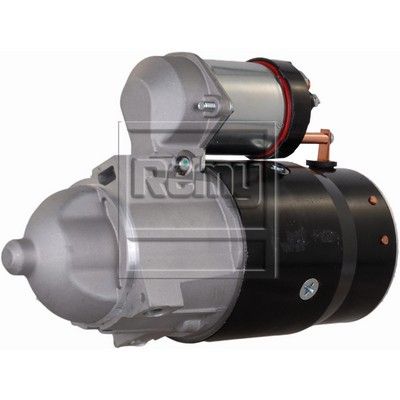
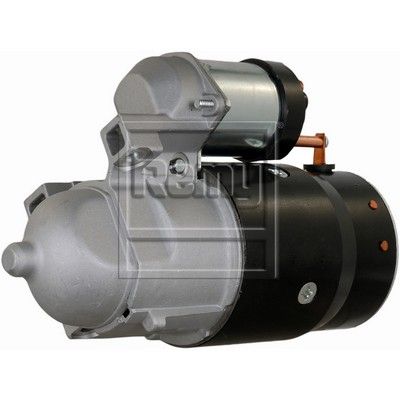
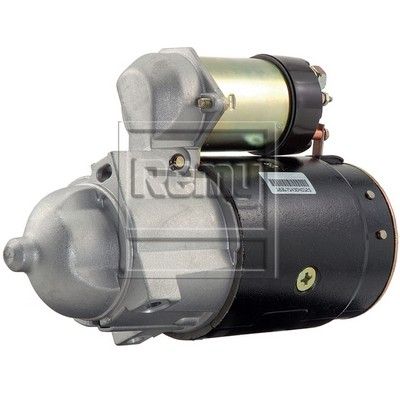
- Remy: A well-regarded brand in the aftermarket, offering both new and remanufactured starters. They are known for providing good performance and are a solid, dependable option for a daily driver or restoration project.
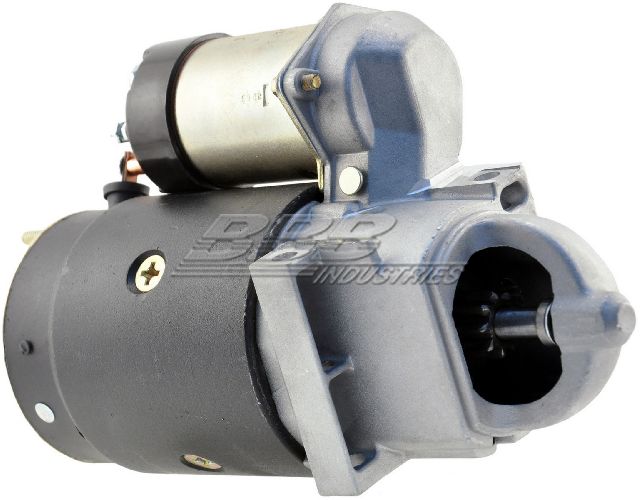
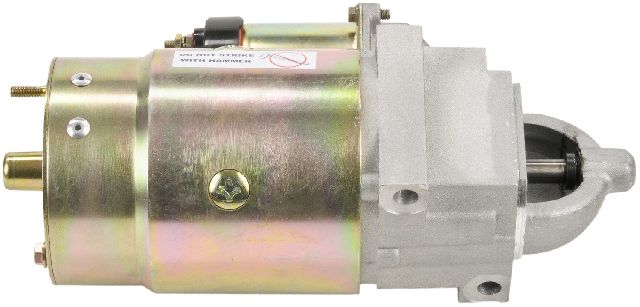
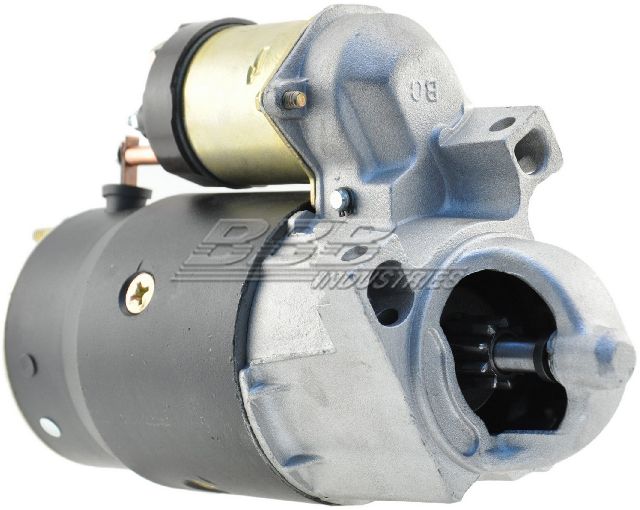
- BBB Industries: A major supplier of both new and remanufactured starters to many large auto parts stores. They offer a wide range of part numbers and provide a functional, cost-effective replacement that meets OE specifications.
Pro Tip: Consider a High-Torque Mini-Starter
To permanently solve the heat soak problem, consider upgrading to a modern, high-torque mini-starter. These starters are smaller, providing more clearance from the hot exhaust, and their gear-reduction design provides more cranking power with less battery draw. Many owners of classic GM vehicles make this upgrade for improved reliability.
Replacement Costs
The cost to replace your Regal's starter will depend on the part you choose and whether you do the work yourself.
| Part/Service | Estimated Cost |
|---|---|
| New Aftermarket Starter | $106 - $429 |
| Remanufactured Starter | $90 - $250 |
| Used OEM (from salvage) | $40 - $100 |
| Shop Labor | $100 - $250 |
Frequently Asked Questions
What is a "heat soak" problem?
Heat soak happens when the starter motor and solenoid absorb excessive heat from the engine and exhaust after the car is shut off. This heat increases electrical resistance, preventing the starter from working until it cools down. It's most common on V8 models due to the proximity of the starter to the exhaust manifold.
Do I need to add shims when installing my new starter?
Sometimes. GM starters from this era may require thin metal plates called shims to properly align the starter gear with the flywheel. Improper alignment can cause grinding noises and damage to both the starter and the flywheel. Many new starters come with a set of shims for this purpose.
Is replacing the starter a DIY job?
Yes, for a mechanic with basic tools, this is a very feasible DIY job. The starter is typically held on by two bolts and is located on the passenger's side of the engine block. The main challenges are safely lifting the vehicle and working in a potentially tight space. Always disconnect the battery's negative terminal before starting work.
Are there any recalls for the 1973-1982 Buick Regal starter?
No. Searches of the National Highway Traffic Safety Administration (NHTSA) database show no recalls related to the starter motor for this generation of Buick Regal.
Technical Specifications
Starters for the 1973-1982 Buick Regal vary depending on the engine (e.g., 3.8L V6, 350 V8, 455 V8). Ensure the replacement is correct for your specific engine. Many starters for this application are large, direct-drive units, while modern replacements may be smaller, gear-reduction designs.
We Have This Part in Stock

The information in this article is provided for general reference and educational purposes only. Vehicle specifications, procedures, and part compatibility can vary by production date, trim level, and region. Always consult your vehicle's factory service manual and verify part numbers before purchasing or performing repairs. Safety-critical components such as airbags, seat belts, and braking systems should be installed by a qualified professional.