

A Comprehensive Guide to the 1973-1983 Buick Regal Automatic Transmission Mount
Eliminate drivetrain clunks and vibrations by selecting the correct new transmission mount for your classic Regal.
- A bad transmission mount on your Regal will cause clunking noises when shifting and excessive vibration while driving.
- Replacement is a straightforward DIY job for most owners, requiring basic tools and a floor jack.
- Choose a standard rubber mount (Anchor, DEA) for a smooth, quiet ride like the original.
- Choose a polyurethane mount (Prothane, Lakewood) for performance and durability, but expect more cabin vibration.
Symptoms of a Failing Transmission Mount
A worn-out transmission mount on a 1973-1983 Regal will make its presence known through distinct sounds and feelings. Because the part is made of rubber, it degrades over time from heat, age, and exposure to fluids. When it fails, the transmission is no longer held securely in place.
- Clunking or Banging Noises: The most common symptom is a loud clunk when you shift from Park into Drive or Reverse. This is the sound of the transmission lifting and hitting the car's frame because the mount is no longer holding it down. You may also hear this noise during hard acceleration or braking.
- Excessive Vibrations: A bad mount can no longer absorb drivetrain vibrations. You will feel these vibrations through the floor, seat, and sometimes the steering wheel, especially at idle or when accelerating.
- Visible Movement: In severe cases, you can see the engine and transmission move excessively. With the parking brake set firmly, have a helper briefly put the car in gear while you safely observe the engine bay from the side. Any significant lurching or rocking indicates a failed mount.
Choosing the Right Aftermarket Mount
Since original GM parts for this era are largely discontinued, the aftermarket is your primary source. The main choice you'll make is between a standard rubber mount and a performance-oriented polyurethane mount.
Standard Replacement (Rubber)
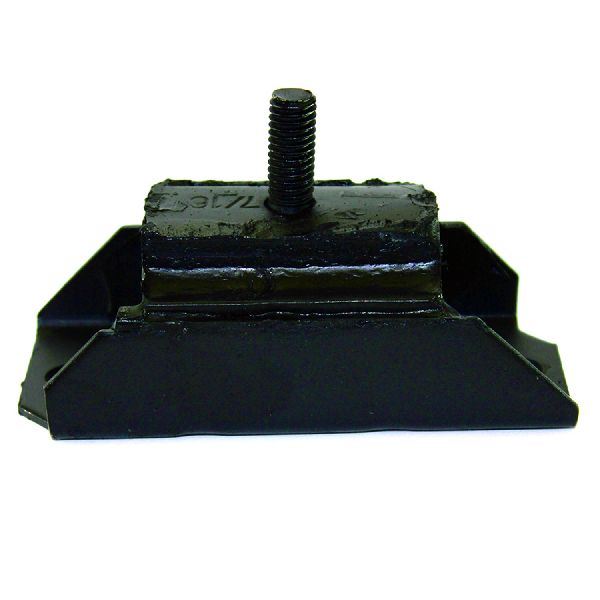
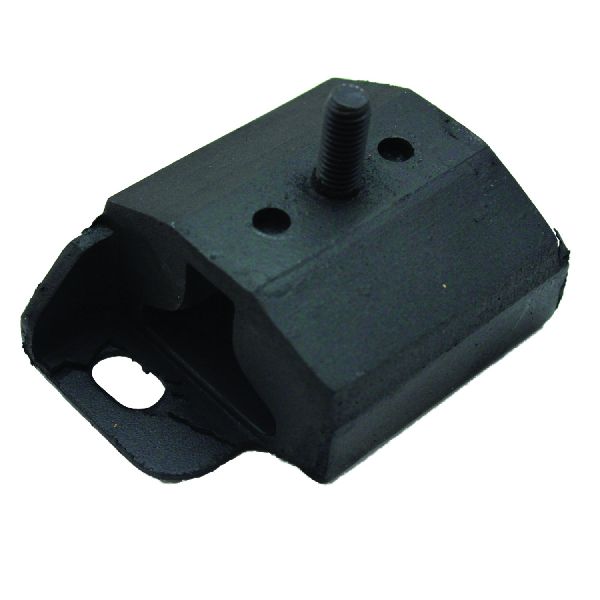
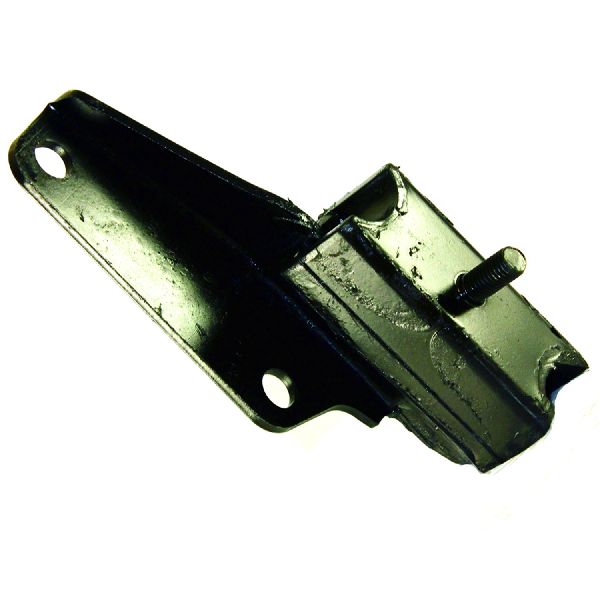
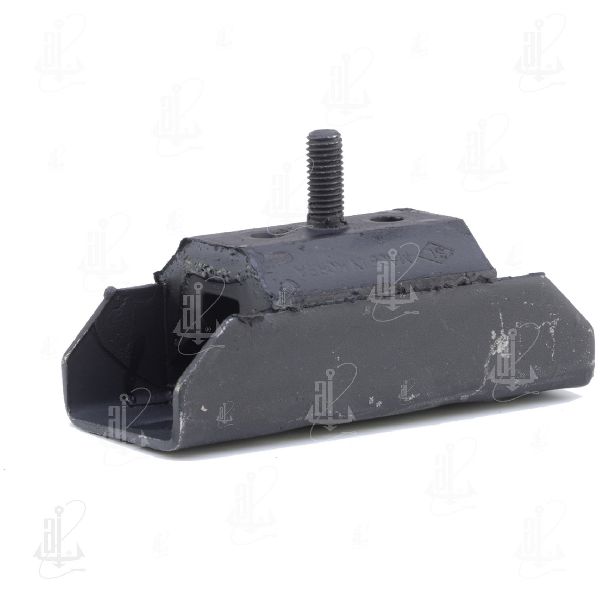
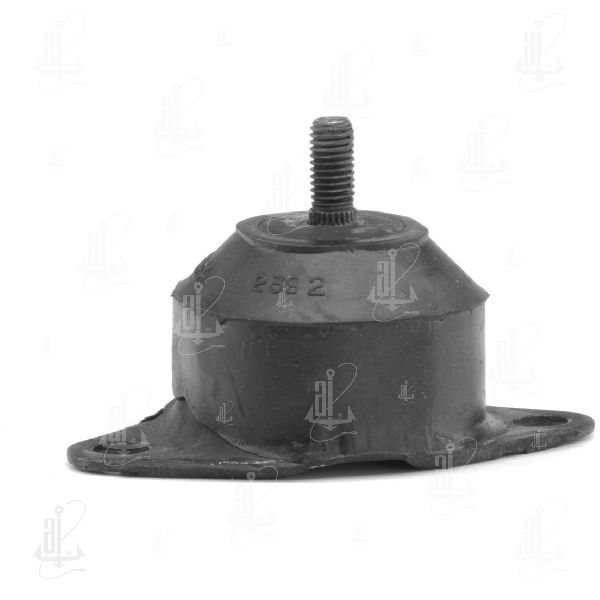
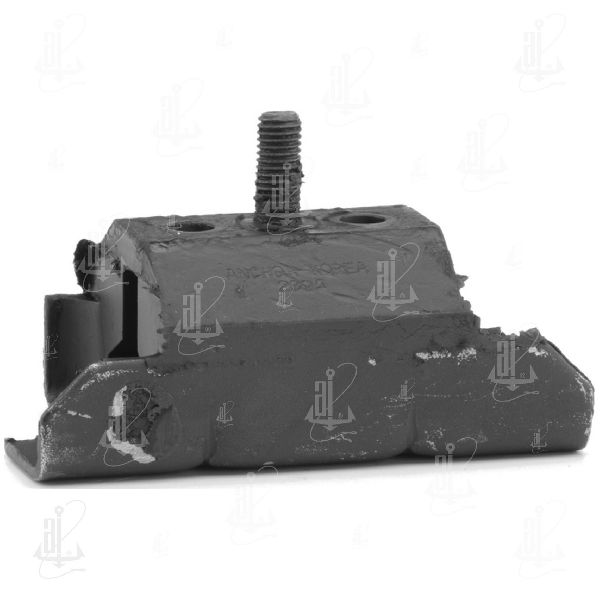
These mounts are designed to be direct, factory-style replacements. They use a rubber block to absorb vibrations, prioritizing a smooth, quiet ride over absolute performance. They are the most affordable option.
- Brands: Anchor, DEA, Westar, Pioneer Cable
- Best For: Daily drivers, restorations aiming for original feel and comfort.
- Quality Notes: Brands like Anchor, DEA, and Westar are common, budget-friendly choices. Forum discussions suggest they are generally considered acceptable for standard use, though some users report quality can be inconsistent compared to original equipment. They get the job done for a stock vehicle but may not have the longevity of original parts.
Performance Upgrade (Polyurethane)
Polyurethane is a much stiffer material than rubber. These mounts are designed to limit drivetrain movement for better throttle response and power transfer to the wheels. They are ideal for high-performance or modified vehicles.
- Brands: Prothane, Lakewood, Daystar
- Best For: Modified engines, performance driving, or if you want a mount that will last longer.
- Quality Notes: Polyurethane is extremely durable and resistant to oil and chemicals. However, because it is much stiffer, it will transmit more engine and transmission vibration into the cabin. This results in a rougher, noisier ride compared to rubber, which may be undesirable for a comfortable cruiser. Lakewood mounts are often built for high horsepower stress with safety interlock features.
Cost of Aftermarket Transmission Mounts (1973-1983 Buick Regal)
| Part Type | Estimated Cost |
|---|---|
| Standard Rubber Replacement (e.g., Anchor, DEA, Westar) | $7.93 - $15.00 |
| Performance Polyurethane (e.g., Prothane, Lakewood) | $25.00 - $34.29 |
Frequently Asked Questions
Can I drive with a bad transmission mount?
While you can drive with a failing mount, it is not recommended for long. The excessive movement puts stress on other components like the driveshaft, U-joints, exhaust system, and engine mounts. In a worst-case scenario, severe movement could affect throttle linkage or cause other damage.
What's the real difference between rubber and polyurethane?
Rubber is soft and flexible, making it excellent at absorbing vibrations for a smooth, quiet ride. Polyurethane is a stiff, durable plastic that excels at limiting movement. For a daily-driven Regal, rubber provides factory-like comfort. For a Regal with a modified engine or one used for performance driving, polyurethane provides better throttle response and durability at the cost of increased cabin vibration.
Is replacing a transmission mount a DIY job?
Yes, for most home mechanics with basic tools, this is a very feasible job. It involves safely lifting the vehicle, supporting the transmission with a jack, unbolting the old mount from the crossmember and transmission, and installing the new one. It typically takes 1-2 hours.
Are there any recalls or TSBs for this part?
There are no specific recalls or Technical Service Bulletins (TSBs) from the National Highway Traffic Safety Administration (NHTSA) related to the transmission mount for the 1973-1983 Buick Regal. Any issues today are due to the age and wear of the original components.
Technical Specifications
The primary specification is the material: rubber for OEM-style vibration absorption or polyurethane for performance and durability. The mount is typically a single-bolt or two-bolt design that attaches to the transmission tailshaft housing and the frame crossmember.
We Have This Part in Stock

The information in this article is provided for general reference and educational purposes only. Vehicle specifications, procedures, and part compatibility can vary by production date, trim level, and region. Always consult your vehicle's factory service manual and verify part numbers before purchasing or performing repairs. Safety-critical components such as airbags, seat belts, and braking systems should be installed by a qualified professional.