

Buick Regal Engine Mount Guide (1973-1983): Symptoms and Replacement
Stop excessive engine vibration and clunking noises by choosing the right replacement engine mount for your classic Regal.
- Symptoms of failure include excessive vibration at idle, clunking noises when shifting, and visible engine movement.
- For most owners, a standard rubber replacement mount from brands like Anchor or Pioneer provides a comfortable ride similar to the original.
- Energy Suspension polyurethane mounts offer higher performance and durability but will significantly increase felt vibration.
- It is highly recommended to replace engine and transmission mounts at the same time to ensure proper drivetrain alignment and prevent future failures.
Symptoms of a Failing Engine Mount
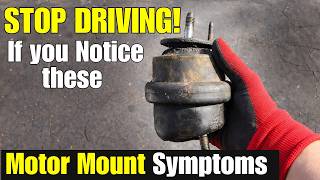
When an engine mount wears out on your Regal, it can't do its job of holding the engine steady and absorbing vibration. You'll likely notice one or more of these signs:
- Excessive Vibration: This is the most common symptom. You might feel a strong vibration through the steering wheel, floor, or seats, especially when idling at a stoplight. The vibration may smooth out once you start driving.
- Clunking or Thumping Noises: When you shift from Park to Drive or Reverse, you might hear a loud clunk. This is the sound of the engine shifting and hitting other components because the mount isn't holding it securely. You may also hear noises when accelerating or braking hard.
- Visible Engine Movement: If you have a helper, you can check for this. With the parking brake set firmly and your foot on the brake, have the helper shift from Drive to Reverse. If you see the engine lurch or lift significantly 🎬 Watch a demonstration on how to check for bad mounts., the mounts are likely worn out.
A Note on a Historical Recall
In 1971, General Motors issued a major recall for millions of vehicles from the late 60s and early 70s, including some Chevrolet models that share platforms with the Regal, for defective engine mounts. The original design could fail and cause the engine to lift, potentially jamming the throttle open. While this recall specifically targeted earlier models, it highlights the importance of the mount's interlocking safety design. Modern aftermarket mounts, even budget-friendly ones, are designed to prevent this type of catastrophic failure.
Choosing the Right Aftermarket Engine Mount
For a classic vehicle like the 1973-1983 Regal, new original equipment (OEM) parts are generally not available. Aftermarket parts are your main option, and they come in two main types:
Tier 1: Standard OE-Style Replacement Mounts
These are designed to be direct replacements for the original factory mounts. They use a similar rubber compound to provide a balance of engine control and ride comfort. They are the best choice for daily drivers and restorations where maintaining the original feel of the car is important.
- Brands: Anchor, Westar, DEA, Pioneer
- Quality: These brands are widely available and considered budget-friendly options for standard repairs. Forum discussions show mixed experiences, but they are generally seen as adequate for stock applications. Some users report they look less refined than original parts but perform similarly. Pioneer is sometimes noted for having a fit and finish closer to the original factory mounts.
Tier 2: Performance Polyurethane Mounts
These are for owners looking for higher performance and durability. Instead of soft rubber, they use a much stiffer material called polyurethane.
- Brands: Energy Suspension
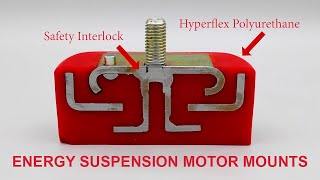
- Quality: Polyurethane is extremely durable and resistant to oil and other under-car fluids that can destroy rubber mounts. It controls engine movement much more effectively, which can improve throttle response. The major trade-off is a significant increase in felt vibration and noise inside the car. These are great for performance or racing applications but may be too harsh for a comfortable daily driver. 🎬 Learn more about the benefits of performance polyurethane mounts. Some users have reported fitment issues requiring minor modifications, like grinding down a weld, to get them to install correctly.
Aftermarket Brand Cost Comparison
| Brand Tier | Common Brands | Price Range (Single Mount) | Best For |
|---|---|---|---|
| Standard Replacement | Anchor, Westar, DEA, Pioneer | $16.49 - $35.00 | Daily driving, stock restorations |
| Performance Upgrade | Energy Suspension | $35.00 - $50.62 | Performance driving, modified engines |
Frequently Asked Questions
Can I drive with a bad engine mount?
You can, but it is not recommended. A completely failed mount can, in rare and extreme cases, allow the engine to shift enough to cause damage to other components like hoses, wiring, or the transmission linkage. It's best to get it replaced soon.
Should I replace all the mounts at once?
Yes, it's highly recommended. Engine mounts wear out at a similar rate. When one fails, it puts extra stress on the others, causing them to fail sooner. Your Regal typically has two engine mounts and one transmission mount, which should all be inspected and likely replaced at the same time for best results.
Is replacing an engine mount a DIY job?
For an experienced DIY mechanic, yes. The job requires safely supporting the engine with a jack and a block of wood, unbolting the old mount, and installing the new one. It requires proper tools, including a torque wrench and jack stands, and can take a few hours. If you are not comfortable supporting the weight of the engine, it's best to leave this job to a professional.
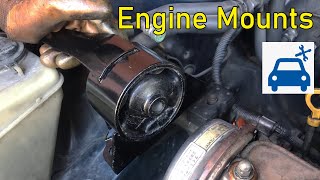
🎬 See a step-by-step guide on how to replace engine mounts.Will a polyurethane mount make my car too noisy?
It depends on your tolerance. Polyurethane mounts transmit much more of the engine's natural vibration into the car's cabin. While this creates a more connected, race-car feel for some, others find the constant vibration at idle and during acceleration to be annoying for a street-driven car. If comfort is a priority, a standard rubber mount is a better choice.
Helpful Videos
Technical Specifications
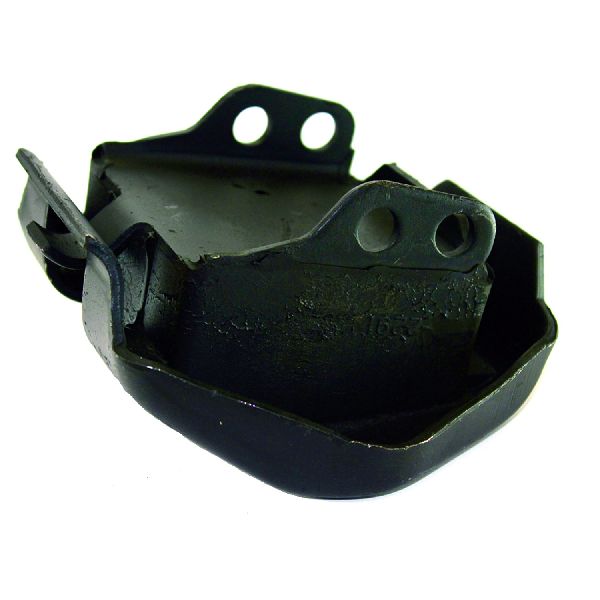
The 1973-1983 Buick Regal, being a GM G-body platform for much of this range, typically uses a two-bolt or three-bolt style mount that bolts to the frame perch and the engine block. There is a left and a right mount, which are often identical, and a separate transmission mount. The key distinction is between standard soft rubber for comfort and firm polyurethane for performance.
We Have This Part in Stock
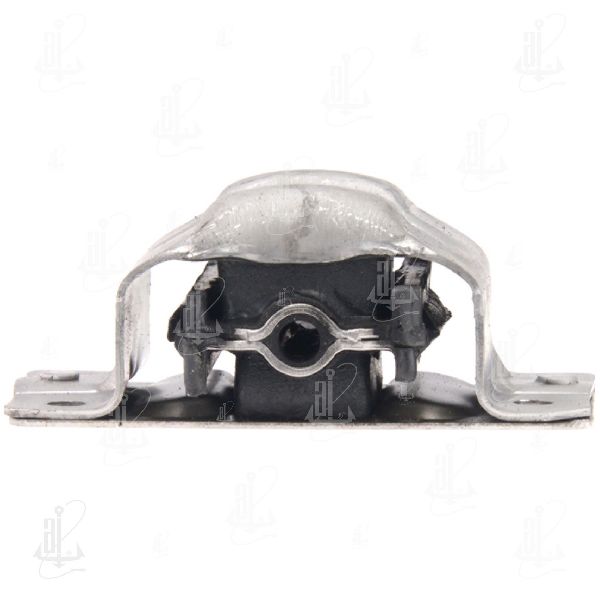
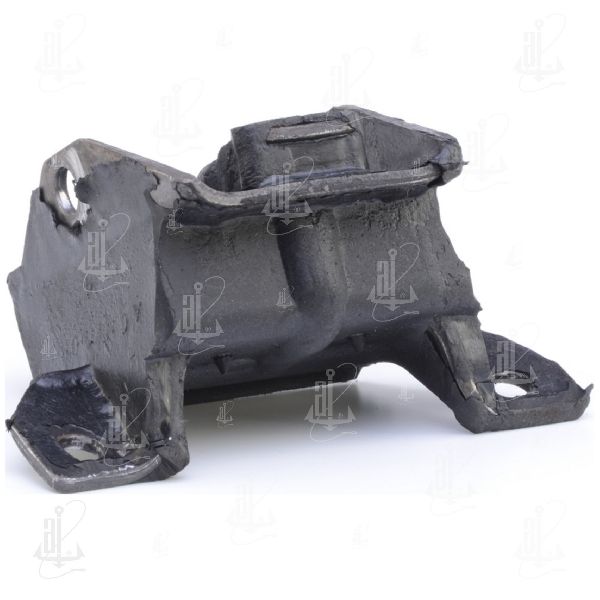
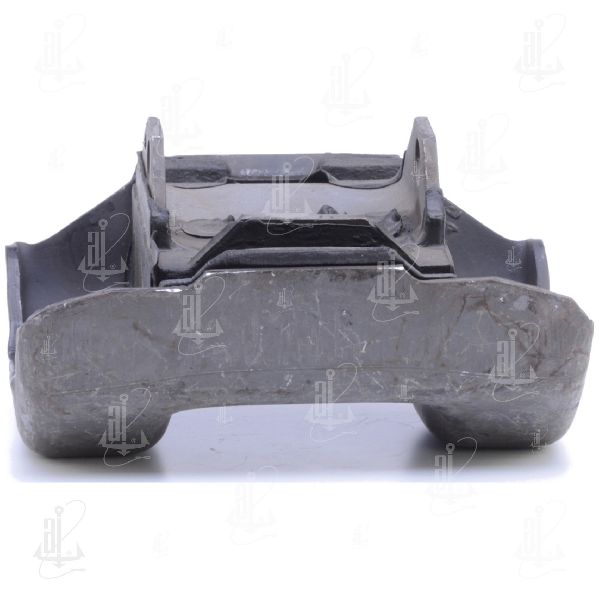
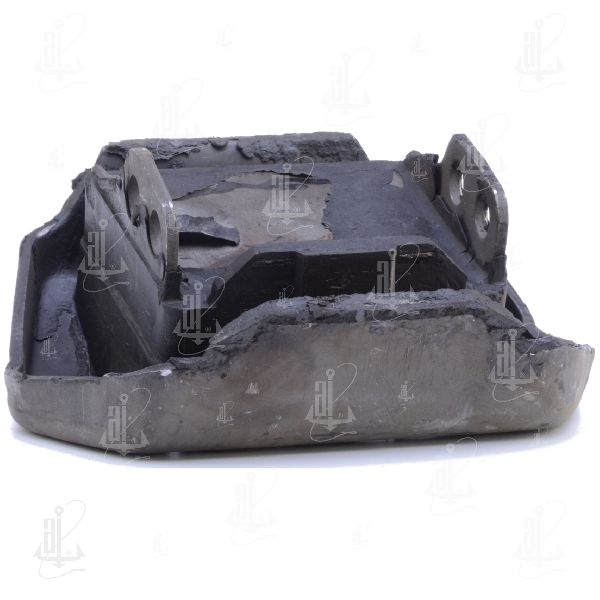


The information in this article is provided for general reference and educational purposes only. Vehicle specifications, procedures, and part compatibility can vary by production date, trim level, and region. Always consult your vehicle's factory service manual and verify part numbers before purchasing or performing repairs. Safety-critical components such as airbags, seat belts, and braking systems should be installed by a qualified professional.
- 🎬 Helpful Videos
- 🛍️ Shop This Part
- Symptoms of a Failing Engine Mount
- A Note on a Historical Recall
- Choosing the Right Aftermarket Engine Mount
- Tier 1: Standard OE-Style Replacement Mounts
- Tier 2: Performance Polyurethane Mounts
- Aftermarket Brand Cost Comparison
- Frequently Asked Questions
- 🎟️ Get 5% Off