

Chevrolet Malibu Universal Joint Replacement Guide (1973-1983)
Don't let a clunking or vibrating driveshaft sideline your classic 1973-1983 Malibu.
- Symptoms include clunking when shifting, vibrations that increase with speed, and squeaking noises.
- Ignoring a bad U-joint can lead to driveshaft separation, causing loss of control and serious damage.
- Original factory U-joints may have plastic retainers that must be melted with a torch before removal.
- Dana/Spicer is a top-tier brand for this part, while Moog, GMB, and SKF are also reliable choices.
Is Your Malibu's U-Joint Failing?
A failing U-joint is more than just an annoyance; it's a serious safety issue. If a U-joint breaks while you're driving, the driveshaft can fall, potentially digging into the pavement and causing a loss of control or severe damage to the underside of your car. Listening to the warning signs can help you avoid getting stranded.
Symptoms of a Bad U-Joint:
- Clunking Noise: A distinct "clunk" or "clang" sound when you shift from Park into Drive or Reverse is a classic sign. This is caused by excessive play in the worn-out joint.
- Vibration While Driving: A vibration that you can feel through the floor of the car, which gets worse as you increase speed, points to an out-of-balance driveshaft from a bad U-joint. This is different from a tire vibration, as it's often felt more during acceleration.
- Squeaking or Chirping: A rhythmic squeak that changes with your speed, especially at lower speeds, often means the needle bearings inside the U-joint have lost their grease and are grinding.
A Note on Original GM U-Joints
If your Malibu still has its factory-installed U-joints from the 1970s or 80s, be aware that they were often held in place with injected plastic, not traditional clips. To remove them, the yoke must be heated with a torch to melt the plastic until it oozes out. Attempting to press them out without melting the plastic can damage or break the driveshaft yoke.
Choosing the Right Aftermarket U-Joint
Since OEM parts for this classic are scarce, the aftermarket is your go-to source. Quality varies, so it's important to choose a brand that fits your needs and budget.
Brand Tiers for Your Malibu
- Premium (OEM Quality): Brands like Dana/Spicer are widely considered the gold standard, often matching or exceeding original equipment quality. They are known for durability and are a top choice for restorations or if you want the best, longest-lasting part.
- Heavy-Duty Aftermarket: Moog has a long reputation for strong parts, though some forum users feel their quality has become inconsistent in recent years. Their "Super Strength" line is a solid choice, often featuring grease fittings for maintenance. Yukon Gear and Lakewood are often geared toward performance and high-horsepower applications.
- Standard Replacement: Brands like GMB and SKF offer reliable, budget-friendly U-joints that are a good choice for a daily driver or a standard repair. They provide good value and are perfectly suitable for most stock Malibu applications.
Greasable vs. Sealed U-Joints
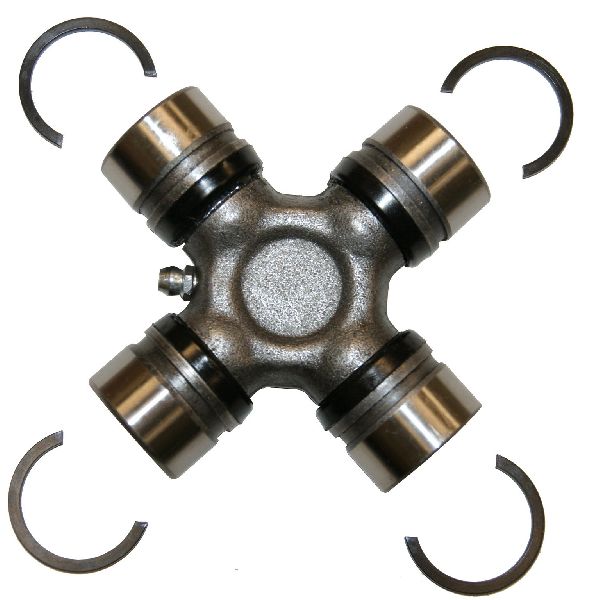
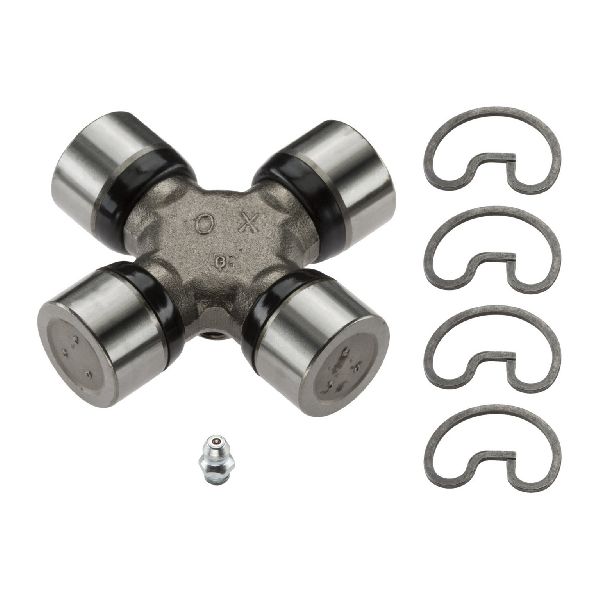
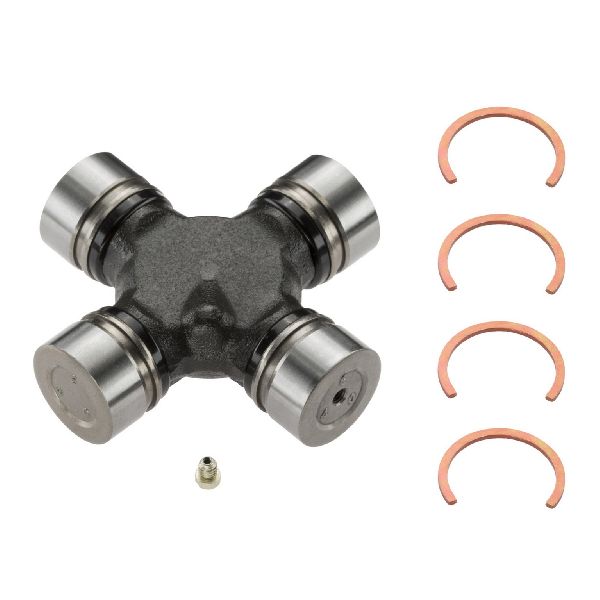
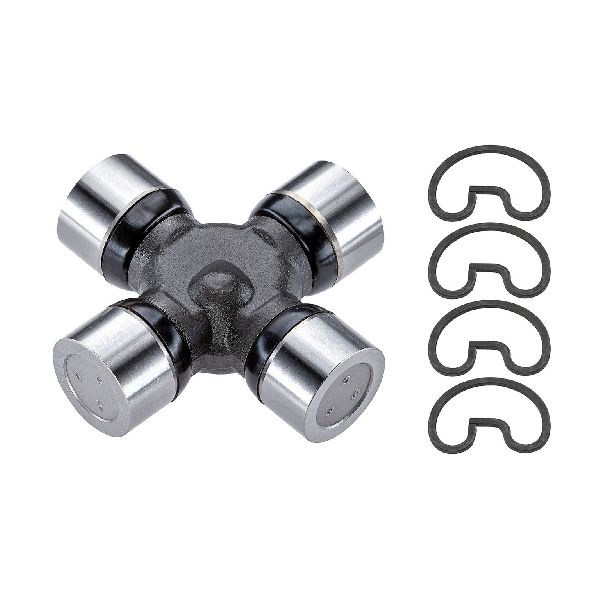
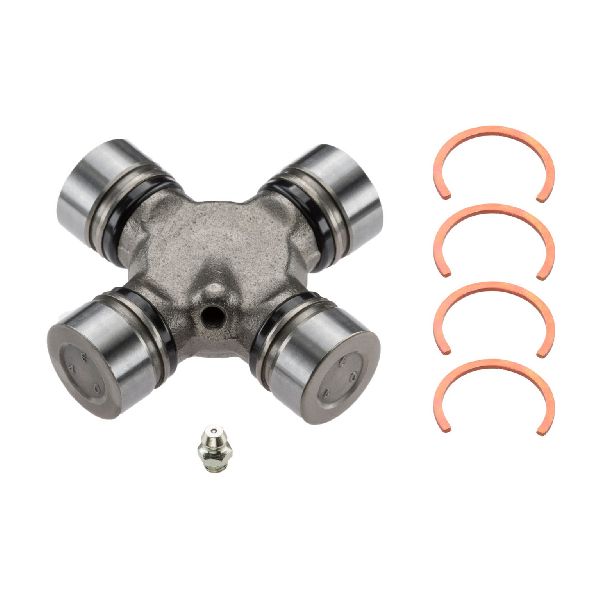
Many aftermarket U-joints are "greasable," meaning they have a zerk fitting to add grease periodically. This can extend their life if you perform regular maintenance. Sealed or "non-greasable" joints, like many originals, are lubricated for life. If you don't plan on regularly greasing the joints, a high-quality sealed joint from a brand like Spicer may last longer than a greasable one that's neglected.
How Much Does a U-Joint Replacement Cost?
Replacing U-joints is a relatively inexpensive repair. The parts themselves are affordable, with labor making up a significant portion of the cost if you have a shop do the work.
| Item | Estimated Cost |
|---|---|
| New Aftermarket U-Joint | $20 - $238 |
| Shop Labor | $110 - $340 (for two joints) |
| Total Estimated Cost (Shop) | $130 - $578 |
Frequently Asked Questions
Can I replace the U-joints on my Malibu myself?
Yes, this is a very DIY-friendly job for a classic car if you have the right tools. You'll need a way to safely lift the car, basic hand tools to remove the driveshaft, and either a bench vise with large sockets or a ball joint press to push the old joints out and the new ones in. Remember the tip about heating original joints to melt the plastic retainers.
How many U-joints does my 1973-1983 Malibu have?
Most 1973-1983 Malibus with a one-piece driveshaft will have two U-joints: one at the front connecting to the transmission and one at the rear connecting to the differential. It is always recommended to replace them in pairs.
Do I need to get my driveshaft balanced after replacing the U-joints?
For a stock vehicle and a standard U-joint replacement, balancing is not usually necessary if the job is done carefully. However, if you are fixing a vibration issue or have a high-performance application, having a driveline shop balance the driveshaft after installation is good practice.
Were there any recalls for the 1973-1983 Malibu U-joints?
No recalls or Technical Service Bulletins (TSBs) related to the universal joints or driveshaft were found for the 1973-1983 Chevrolet Malibu during research with the National Highway Traffic Safety Administration (NHTSA).
Technical Specifications
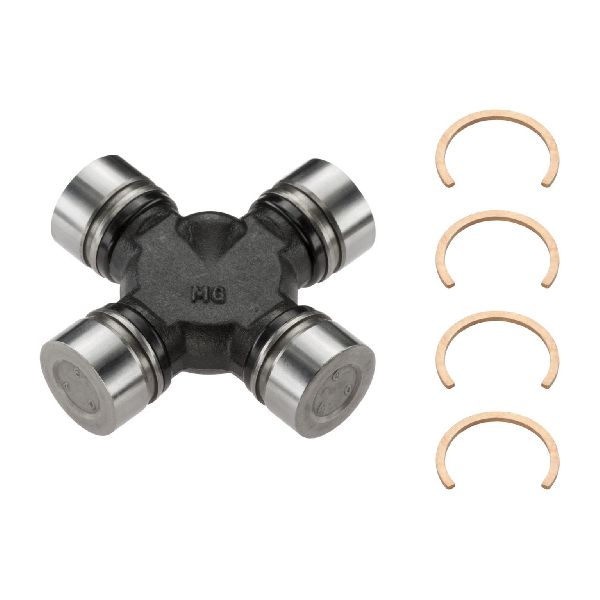
The 1973-1983 Malibu, covering both the A-body and G-body platforms, typically uses a one-piece driveshaft with two universal joints. Common sizes include the 1310, 1330, and GM 3R series. It is critical to measure your existing U-joint caps and width or find the correct part number to ensure you order the correct replacement, as different transmission and axle combinations could use different sizes. Conversion joints are available if a non-original rear axle has been installed.
We Have This Part in Stock

The information in this article is provided for general reference and educational purposes only. Vehicle specifications, procedures, and part compatibility can vary by production date, trim level, and region. Always consult your vehicle's factory service manual and verify part numbers before purchasing or performing repairs. Safety-critical components such as airbags, seat belts, and braking systems should be installed by a qualified professional.