

Mercury Cougar 1973-1985 Alternator: Performance, Brands, and Replacement Guide
Keep your classic Cougar's electrical system healthy by choosing the right new aftermarket alternator.
- Consider a high-output alternator (100+ amps) if you have modern electrical accessories like a stereo or electric fans.
- Verify if your Cougar uses an external voltage regulator, as you may need a conversion kit if you upgrade to a modern, internally regulated alternator.
- DIY replacement is very feasible for this vehicle and can be done in 1-2 hours with basic tools.
- Poor grounding and old wiring are common sources of charging problems; check connections before replacing parts.
Is Your Cougar's Alternator Failing?
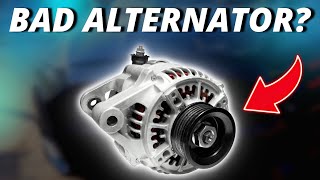
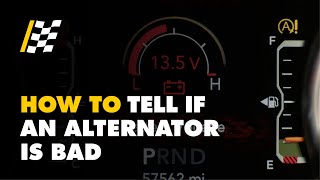
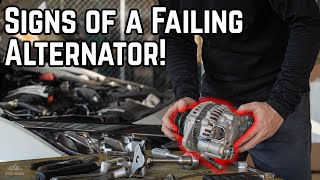
An alternator problem in a 1973-1985 Cougar can show up in several ways. Because these vehicles have simpler electrical systems, you might notice the symptoms more directly. Watch for dimming headlights, especially at idle, or a battery that keeps dying even after being charged. You might also hear a whining or grinding noise from the engine bay, which could be failing bearings inside the alternator. In some cases, you might smell burning rubber from a slipping belt or hot wires from an electrical short. If your car has a battery or "ALT" light on the dashboard, it will likely illuminate if the alternator isn't producing enough voltage.
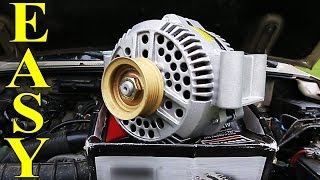
🎬 Watch: A visual guide to common bad alternator symptoms.Choosing a New Aftermarket Alternator
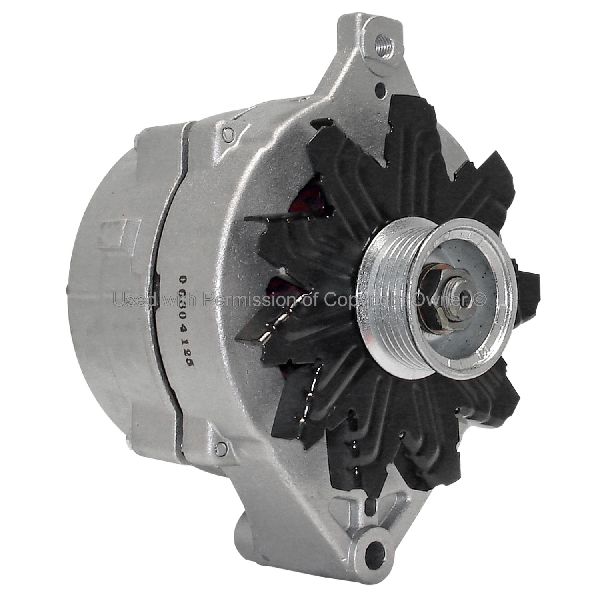
For a classic vehicle like the 1973-1985 Cougar, finding a brand-new OEM "Motorcraft" alternator is unlikely. Most available parts are new aftermarket or remanufactured. A modern aftermarket alternator can be a significant upgrade over the original 1970s and 80s technology, offering better reliability and higher output.
Understanding Amperage
Stock alternators on these Cougars had relatively low output, often around 60 amps. This was enough for the original equipment. However, if you've added modern accessories like a powerful stereo, electric cooling fans, or an upgraded ignition, you should strongly consider a high-output alternator. These can produce 130 amps or more, providing the extra power needed to run everything without straining the electrical system.
Brand Selection: What to Look For
Choosing the right brand depends on your needs and budget. Aftermarket brands offer a range from standard replacements to high-performance upgrades.
- Performance/High-Output Brands (Powermaster, Proform): Brands like Powermaster are known for high-amperage alternators that are popular for modified and performance vehicles. They are often made in the USA and can provide significantly more power at idle and cruising speeds. However, owner reviews are mixed, with some reporting long-term reliability and others experiencing premature failures. These are a good choice if you have high electrical demands but be aware of potential quality control issues.
- Standard Replacement Brands (Remy, WAI Global, BBB Industries, MPA): These brands focus on providing OE-equivalent parts. Remy is a long-standing name, though now part of a larger company, with some users reporting good experiences while others have had issues with bearing failures on new units. WAI Global is another major supplier, but some users have reported that their alternators do not always meet the advertised amperage output. BBB Industries is also a common brand found at many local parts stores. For a standard, mostly original Cougar, a quality new unit from one of these brands is usually a reliable and affordable choice.
Pro Tip: External vs. Internal Regulator
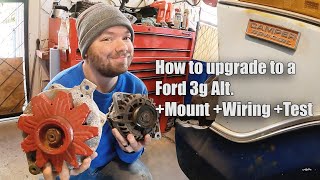
Many Cougars in this era used an external voltage regulator. Some modern aftermarket alternators, especially one-wire or high-output models, have an internal regulator. Upgrading to an internally regulated alternator is a common and worthwhile modification that simplifies wiring and can improve reliability. Be sure to verify which type your car has and which type you are buying to ensure you have the correct wiring or conversion kit.
Known Issues, Recalls, and Bulletins
Searches for official recalls or Technical Service Bulletins (TSBs) specifically for alternator failures on the 1973-1985 Mercury Cougar did not yield specific results for this model range. Most recalls found were for much newer models or different components. Common issues discussed by owners in forums relate to upgrading wiring for high-output units and troubleshooting problems with the external voltage regulator. Poor grounding is a frequent cause of electrical issues in classic cars, so ensuring clean and solid ground connections is crucial.
Cost of Replacing a Mercury Cougar Alternator
The cost will vary based on the brand you choose and whether you do the work yourself. The job is straightforward for a DIY mechanic.
| Part / Service | Estimated Cost |
|---|---|
| New Aftermarket Alternator | $41 - $315 |
| Remanufactured Alternator | $70 - $150 |
| Shop Labor | $100 - $200 |
Frequently Asked Questions
Can I replace the alternator myself?
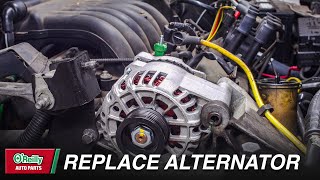
Yes, for most owners with basic mechanical skills. The alternator on these Cougars is typically easy to access. The job involves disconnecting the battery, loosening the belt tensioner, removing a few bolts and electrical connectors, and swapping the part. It's a good DIY project that can be completed in an hour or two.
Do I need a high-output alternator?
If your Cougar is completely stock, a standard-output alternator (around 60 amps) is usually sufficient. However, if you have added or plan to add electrical accessories like a large sound system, electric fans, or modern fuel injection, a high-output alternator (100+ amps) is highly recommended to handle the extra load.
Is it the alternator or the battery that's bad?
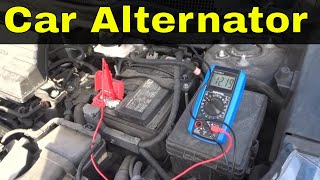
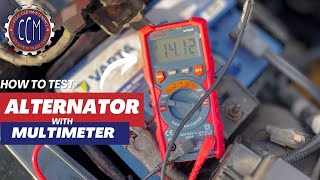
A simple test can help. With the engine off, your battery should read about 12.6 volts. With the engine running, the voltage at the battery terminals should increase to around 13.5 to 14.5 volts. If the voltage doesn't increase when the engine is on, the alternator is likely the problem. Most auto parts stores can also test your alternator for free.
🎬 See how to test your alternator using a multimeter.What is a 'one-wire' alternator?
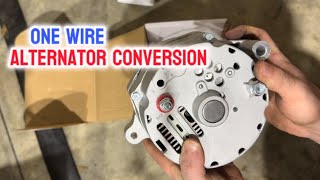
A one-wire alternator is a type of internally regulated alternator that simplifies installation. It only requires a single heavy-gauge wire connected from the alternator's output post directly to the battery. This is a popular upgrade for classic cars because it cleans up engine bay wiring and eliminates the need for the original external voltage regulator.
🎬 Watch: How to perform a one-wire alternator conversion.Helpful Videos
Technical Specifications
Original output was typically around 60 amps. Most models from this era use an externally mounted voltage regulator. Upgrades to internally regulated 3G-style alternators are common and recommended for vehicles with added electrical loads.
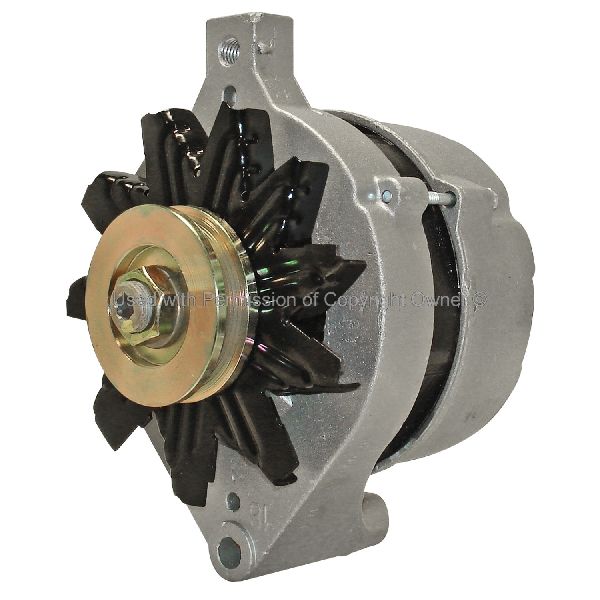
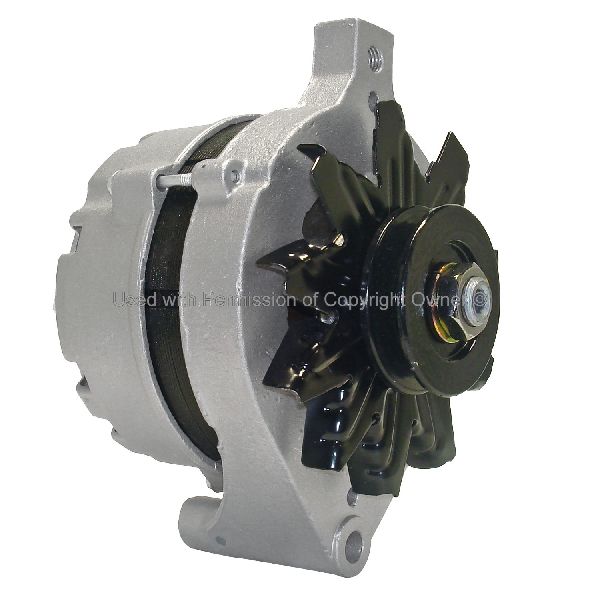
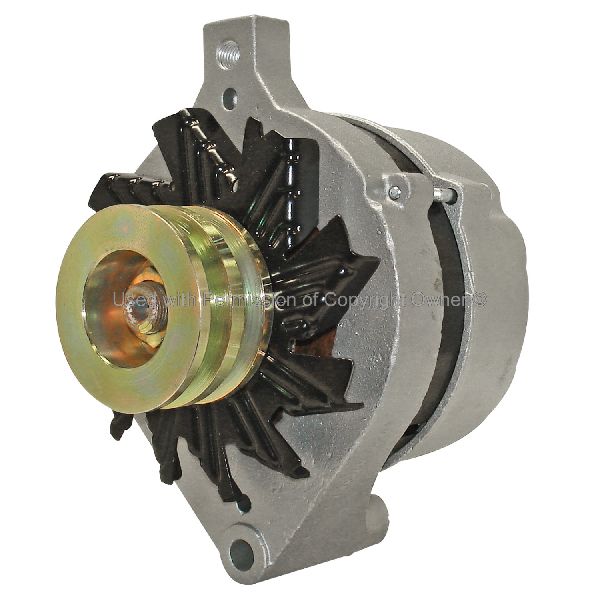
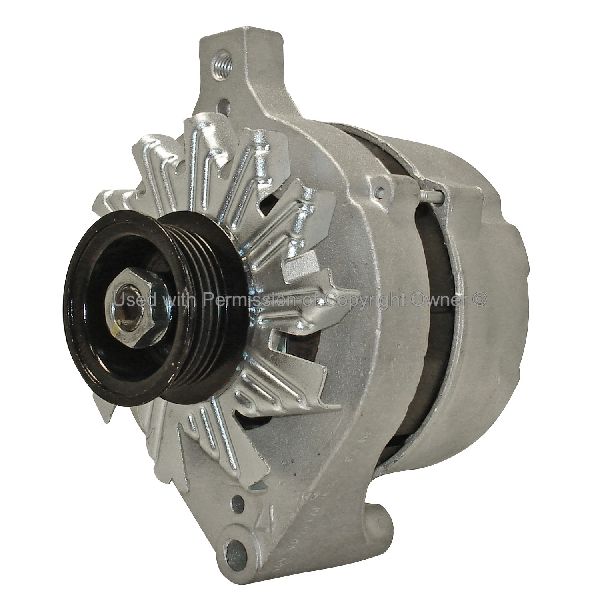
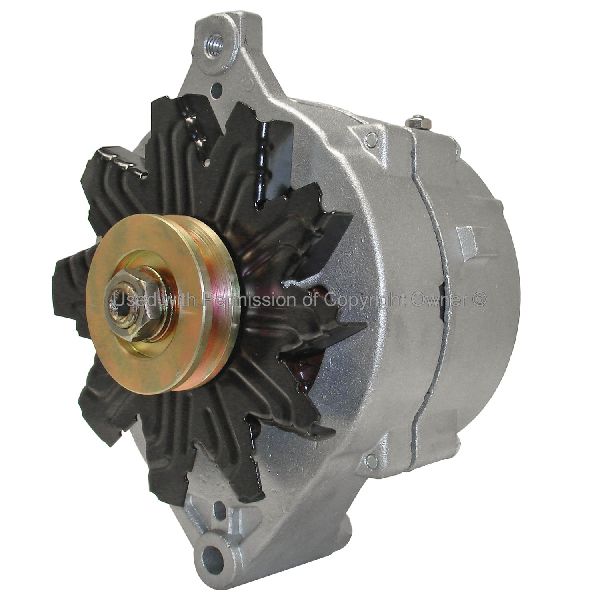
We Have This Part in Stock

The information in this article is provided for general reference and educational purposes only. Vehicle specifications, procedures, and part compatibility can vary by production date, trim level, and region. Always consult your vehicle's factory service manual and verify part numbers before purchasing or performing repairs. Safety-critical components such as airbags, seat belts, and braking systems should be installed by a qualified professional.
- 🎬 Helpful Videos
- 🛍️ Shop This Part
- Is Your Cougar's Alternator Failing?
- Choosing a New Aftermarket Alternator
- Understanding Amperage
- Brand Selection: What to Look For
- Pro Tip: External vs. Internal Regulator
- Known Issues, Recalls, and Bulletins
- Cost of Replacing a Mercury Cougar Alternator
- Frequently Asked Questions
- 🎟️ Get 5% Off