

Buick Regal Automatic Transmission Detent Cable Guide (1973-1987)
Learn how to identify a failing transmission detent cable on your 1973-1987 Buick Regal and choose the right aftermarket replacement.
- A failing detent cable will primarily cause your Regal to not downshift when you floor the gas pedal.
- Proper adjustment of the new cable is critical; failure to do so can lead to severe transmission damage from low fluid pressure.
- Aftermarket brands like ATP and Pioneer are common standard replacements, while B&M offers heavy-duty performance options.
- This is a DIY-friendly repair for those with basic tools, with the most important step being the final adjustment.
Is your Regal's transmission not shifting right?
A faulty automatic transmission detent cable is a common problem on older vehicles like the 1973-1987 Buick Regal. Over time, these cables can stretch, fray, or the plastic components can become brittle and break. This leads to poor shifting performance and, if ignored, can cause serious transmission damage. Recognizing the symptoms early can save you from a much more expensive repair.
Critical for Transmission Health
On many Regals equipped with transmissions like the TH200-4R or TH700-R4, the detent cable also controls the Throttle Valve (TV). This valve regulates internal transmission fluid pressure based on how far you push the gas pedal. A broken, misadjusted, or stretched cable can cause low line pressure, leading to slipping clutches and burned-up transmission components. Proper cable adjustment is not just for performance; it's essential to prevent catastrophic transmission failure.
Symptoms of a Bad Detent Cable
If the detent cable is failing, you will likely notice issues with how your transmission shifts, especially under acceleration. Common signs include:
- No Downshift: The most common symptom is the transmission failing to "kick down" into a lower gear when you press the gas pedal to the floor.
- Late or Harsh Shifts: The transmission may shift into the next gear at a much higher RPM than usual, or the shifts may feel abrupt and harsh.
- Stuck in Gear: In some cases, the transmission may seem stuck in first gear and refuse to upshift as you accelerate.
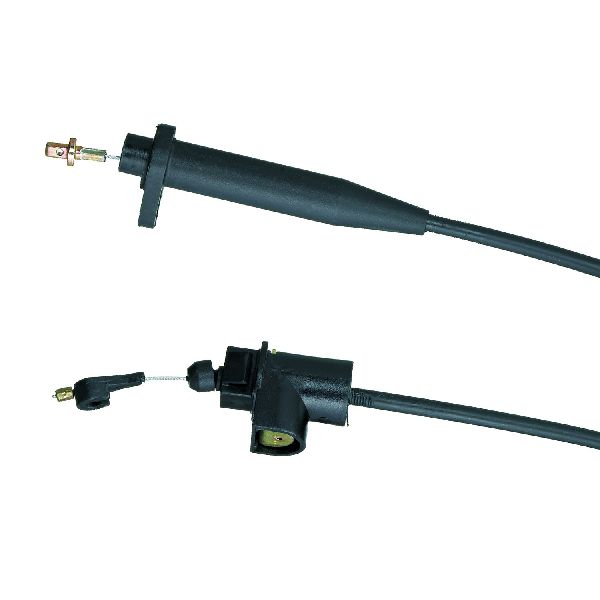
- Visible Damage: A visual inspection may reveal a frayed or broken cable, or broken plastic clips at the carburetor or transmission end.
Choosing the Right Aftermarket Cable
Since genuine GM cables for this era are often discontinued, the aftermarket is your primary source. Fortunately, several reputable brands offer replacements. The quality of aftermarket cables can vary, so it's important to choose wisely.
| Brand Tier | Brands | Best For |
|---|---|---|
| Performance / Heavy-Duty | B&M | Owners looking for a more durable, often adjustable, cable that can withstand performance applications. B&M is a well-known name in the performance transmission space. |
| Standard Replacement | ATP, Pioneer | Daily drivers and stock restorations. These brands aim to provide an OE-style fit and function for a reasonable price. They are widely available and a common choice for standard repairs. |
Pro Tip: Check the Brackets and Clips
When replacing the cable, carefully inspect the mounting brackets at both the engine and transmission. Also, check the plastic end clips. These components can also fail and are often sold separately if you don't need an entire new cable. Some aftermarket cables come with upgraded designs, such as thicker cables to prevent stretching.
Estimated Replacement Costs
Replacing the detent cable is an affordable repair, especially if you can do it yourself. The main cost is the part itself, with labor being relatively minimal.
| Part Type | Estimated Cost |
|---|---|
| New Aftermarket Cable | $27.94 - $47.78 |
| Shop Labor | $100 - $180 |
| Total Professional Repair | $128 - $228 |
Frequently Asked Questions
Is a detent cable the same as a shift cable?
No. The detent (or kickdown) cable controls downshifting for acceleration. The shift cable connects your column or floor shifter to the transmission to select Park, Reverse, Neutral, or Drive.
How difficult is it to replace a detent cable?
For a DIY mechanic with basic tools, this is a relatively easy job. It involves disconnecting the cable from the throttle linkage and unbolting it from the transmission. Accessing the transmission connection may require safely raising the vehicle. The most critical step is the final adjustment.
How do I adjust the new detent cable?
Most aftermarket cables have a self-adjustment mechanism. Typically, you press a lock tab on the cable housing, push the housing all the way in, and then go inside the car and press the accelerator pedal to the floor. This action pulls the cable and housing to the correct length and sets it. Always follow the specific instructions included with your new cable, as improper adjustment can damage the transmission.
Are there any recalls for the 1973-1987 Buick Regal detent cable?
No, there are no specific recalls or Technical Service Bulletins (TSBs) found for the automatic transmission detent cable on the 1973-1987 Buick Regal. Recalls for Buick Regal shift cables exist for much newer models (2012-2014) and address a different type of failure.
Technical Specifications
OEM Part Numbers: 25532115
The key specification is the cable length, which varies by application. Aftermarket cables are often adjustable to fit a range of models. For example, some are adjustable from 28 to 48 inches. The connection type at the transmission (o-ring seal vs. boot seal) is also important.
We Have This Part in Stock


The information in this article is provided for general reference and educational purposes only. Vehicle specifications, procedures, and part compatibility can vary by production date, trim level, and region. Always consult your vehicle's factory service manual and verify part numbers before purchasing or performing repairs. Safety-critical components such as airbags, seat belts, and braking systems should be installed by a qualified professional.