

Buick Regal A/C Compressor Guide: 1973-1988 Replacement & Troubleshooting
Is your Regal's A/C blowing hot air? Here’s what you need to know before replacing your compressor.
- Identify if you have the early A6 or later R4 compressor, as their failure modes differ.
- Compressor failure, especially on R4 models, will contaminate the system. You MUST flush the system and replace the accumulator and orifice tube.
- Your system originally used R-12 refrigerant; any repair today involves converting to R-134a and using the correct PAG oil.
- While you can swap the compressor yourself, the system needs professional evacuation and recharging.
Understanding Your Regal's A/C Compressor
The A/C system in the 1973-1988 Buick Regal used two different main compressor types. It is important to know which one your car has.
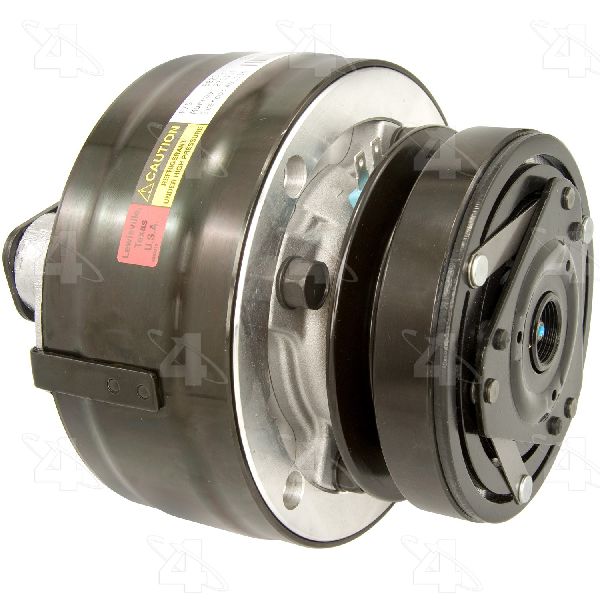
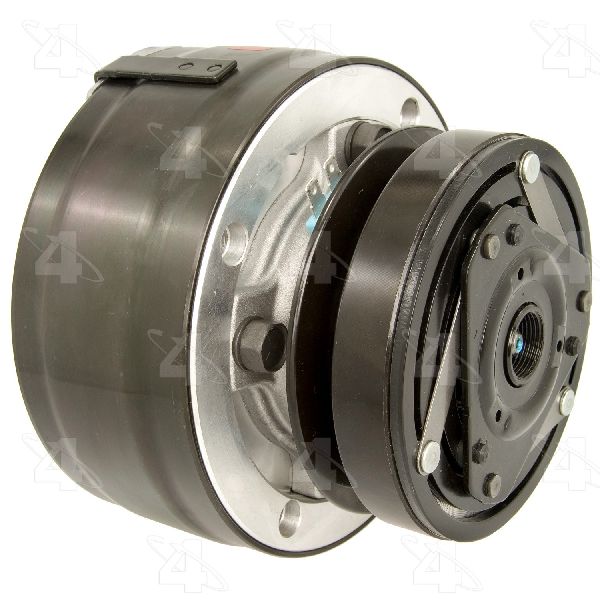
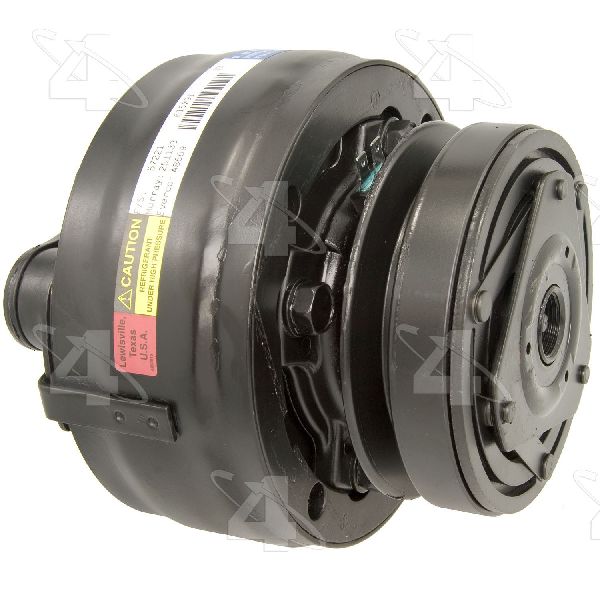
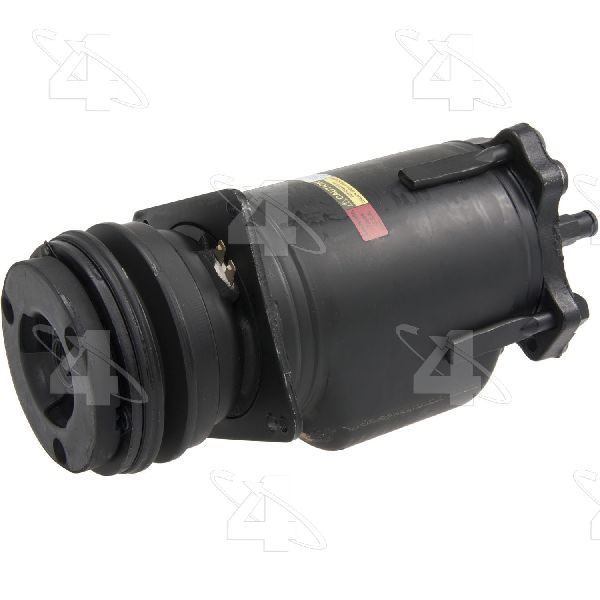
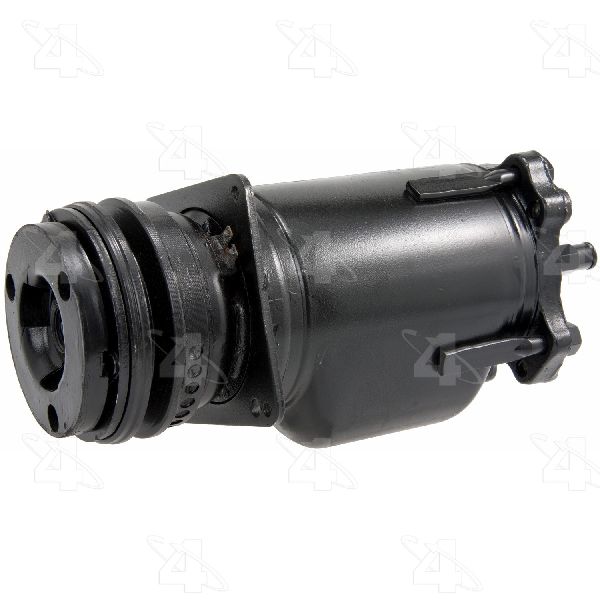
- GM A6 Compressor (approx. 1973-1977): Found on earlier models, this is a large, heavy, and durable compressor. Its most common issue is leaking oil from the front shaft seal, especially if the A/C is not used often. In fact, minor oil seepage was considered normal when these cars were new.
- Harrison R4 Compressor (approx. 1978-1988): Used on the popular G-Body Regals, the R4 is notoriously unreliable and prone to failure. They are known for leaking from the body seals and failing internally, which can send metal debris throughout the entire A/C system.
Critical Step: System Contamination
If your old compressor, especially an R4 model, failed internally, it likely contaminated the entire A/C system with metal shavings. If you do not flush the system and replace the accumulator and orifice tube, this debris will destroy your new compressor very quickly. This is the most common reason for a new compressor to fail.
Symptoms of a Failing A/C Compressor
A bad compressor can show several signs. You might notice one or more of the following:
- Warm Air: The most obvious symptom is air from the vents that isn't cold.
- Loud Noises: Grinding, squealing, or rattling sounds when you turn on the A/C point to internal mechanical failure.
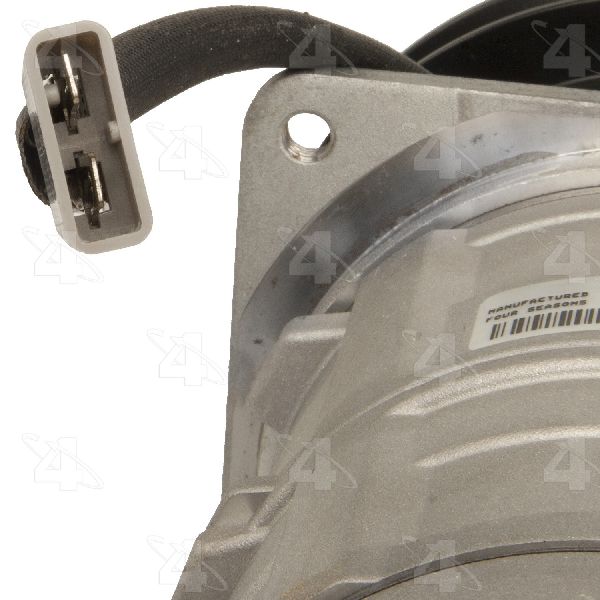
- Clutch Issues: The A/C clutch on the front of the compressor may not engage. You should hear a "click" when the A/C is turned on. If it doesn't engage, it could be the clutch, a lack of refrigerant, or an electrical problem.
- Visible Leaks: You may see greasy, oily residue on the body of the compressor. On A6 models, oil slung under the hood is a classic sign of a leaking front seal.
Choosing the Right Aftermarket Compressor
When shopping for a new aftermarket compressor, you are buying a part that must work with a system that is decades old. Quality and proper installation are key.
- OEM vs. Aftermarket: For a vehicle this age, a true "OEM" part is not available. Aftermarket parts are the standard. Brands like ACDelco, Four Seasons, and Global Parts offer direct-fit replacements. The quality of remanufactured units can be inconsistent, with some owners reporting multiple failures. A new unit is often a safer bet than a remanufactured one.
- R-12 vs. R-134a Refrigerant: Your Regal's original A/C system used R-12 refrigerant, which is no longer produced. Any new installation will use modern R-134a refrigerant. This conversion requires using a compatible oil (PAG oil) and ideally, a new condenser designed for R-134a for best performance. Your new aftermarket compressor will be compatible with R-134a and the correct oil.
Pro Tip: Replace Supporting Parts
To ensure your new compressor lasts and to honor its warranty, you must also replace the A/C accumulator (or receiver-drier) and the orifice tube. These parts trap moisture and debris, and a failed compressor will have saturated them with contaminants.
Cost of Replacing Your A/C Compressor
Here is a general breakdown of what to expect for costs. Prices can vary based on your location and the specific parts you choose.
| Part/Service | Estimated Cost |
|---|---|
| New Aftermarket Compressor | $165 - $540 |
| Accumulator/Drier | $20 - $50 |
| Orifice Tube | $5 - $15 |
| Shop Labor (including system flush, evacuation, and recharge) | $300 - $600 |
Frequently Asked Questions
Do I have to convert to R-134a refrigerant?
Yes. The original R-12 refrigerant is no longer available for public use. All modern replacement compressors and components are designed to work with R-134a. The conversion is standard practice for any A/C repair on these vehicles.
What is the A/C clutch and is it replaced with the compressor?
The A/C clutch is an electromagnet-driven pulley on the front of the compressor. When you turn on the A/C, it engages to spin the compressor's internal parts. New aftermarket compressors almost always come complete with a new clutch assembly installed.
Can I replace just the compressor myself?
A skilled DIY mechanic can physically replace the compressor. However, the A/C system must be legally and safely evacuated of old refrigerant before starting work, and professionally vacuumed and recharged after the new parts are installed. This requires special equipment, so the final steps must be done by a qualified shop.
Why did my new compressor fail after only a few months?
The most common reason for a new compressor to fail quickly is contamination from the old one. If the old compressor grenaded, it sent metal particles through the lines. If the system was not thoroughly flushed and the accumulator and orifice tube were not replaced, that debris destroyed the new compressor.
Technical Specifications
Compressor Type: General Motors A6 (Axial 6-piston) or Harrison R4 (Radial 4-piston). Refrigerant Type (Original): R-12. Oil Type (Original): Mineral Oil. Replacement systems use R-134a refrigerant and PAG oil.
We Have This Part in Stock

The information in this article is provided for general reference and educational purposes only. Vehicle specifications, procedures, and part compatibility can vary by production date, trim level, and region. Always consult your vehicle's factory service manual and verify part numbers before purchasing or performing repairs. Safety-critical components such as airbags, seat belts, and braking systems should be installed by a qualified professional.