

Front Disc Brake Pad Guide for the 1973-1988 Buick Regal
From daily cruising to Grand National power, find the right stopping solution for your classic Regal.
- For 1984-87 Turbo models, identify if your car has the failure-prone electric Powermaster brake system; many owners convert it to a safer vacuum setup.
- Match your pad material to your driving style: ceramic for low dust on a cruiser, semi-metallic for balanced daily driving, or a performance compound for a Turbo Regal.
- A performance street pad from a brand like Hawk (HPS) or Performance Friction is a highly recommended upgrade for Grand National and T-Type models.
- Always replace front brake pads in pairs and strongly consider installing new rotors at the same time to ensure smooth, powerful braking.
Symptoms of Worn Brake Pads
When your brake pads are nearing the end of their life, your Regal will give you several warning signs. The most common is a high-pitched squealing noise when you apply the brakes, caused by a small metal wear indicator tab. If you ignore the squeal, it will eventually turn into a harsh grinding sound, which means the pad's metal backing plate is scraping against the rotor. This is a serious safety issue that can cause severe rotor damage. Other symptoms include a pulsating or vibrating brake pedal, the car pulling to one side when braking, or simply taking longer to stop than it used to.
Known Issue: 1984-1987 Turbo Regal Powermaster Brakes
If you own a 1984-1987 Turbo Regal (Grand National, T-Type, GNX), you must identify your brake system. Many of these cars came with a fully electric "Powermaster" brake booster instead of a traditional vacuum booster. This system is known for sudden and complete failure with little warning, resulting in a near-total loss of braking power. Many owners have converted these cars to the safer and more reliable vacuum booster setup from a non-turbo Regal. The brake pads themselves are the same, but be aware of which system your car has, as a failing Powermaster unit is a far greater danger than worn pads.
Choosing the Right Aftermarket Brake Pads
For a classic car like the 1973-1988 Regal, aftermarket brake pads often provide better performance and value than searching for scarce and expensive original equipment (OEM) parts. Aftermarket brands have developed modern friction compounds that can be a major upgrade over the original 1980s technology. The key is to choose the right pad material and brand for your specific car and how you drive it.
Brake Pad Materials Explained
- Ceramic: These pads are the best choice for a daily driver or show car where clean wheels are a priority. They produce very little dust and are extremely quiet. For high-performance driving, however, some users find they have a softer pedal feel and can suffer from brake fade under intense heat.
- Semi-Metallic: This is a great all-around choice, offering a good balance of stopping power, heat resistance, and durability. They were a common original equipment material for these cars. The main downsides are that they produce more brake dust than ceramic pads and can be slightly noisier.
- Performance / Carbon-Metallic: If you have a Grand National or a modified Regal that you drive aggressively, this is the category for you. Brands like Hawk and Performance Friction offer pads that provide incredible stopping power, especially when they get hot. The trade-offs are significant brake dust, potential for noise when cold, and sometimes poor initial stopping power until they warm up.
Aftermarket Brand Tiers
The brands available for your Regal can be grouped into tiers based on their intended use and quality.
| Tier | Brands | Best For | Estimated Price (Front Set) |
|---|---|---|---|
| Economy | Pronto, Dynamic Friction, Total Stopping Solutions | Basic transportation, budget-focused repairs. | $18 - $40 |
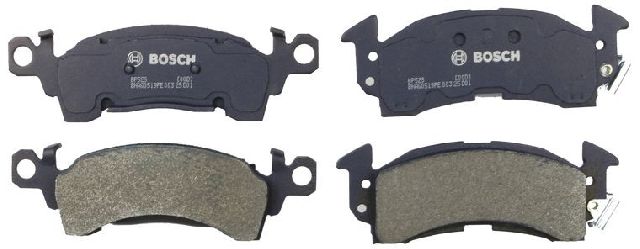
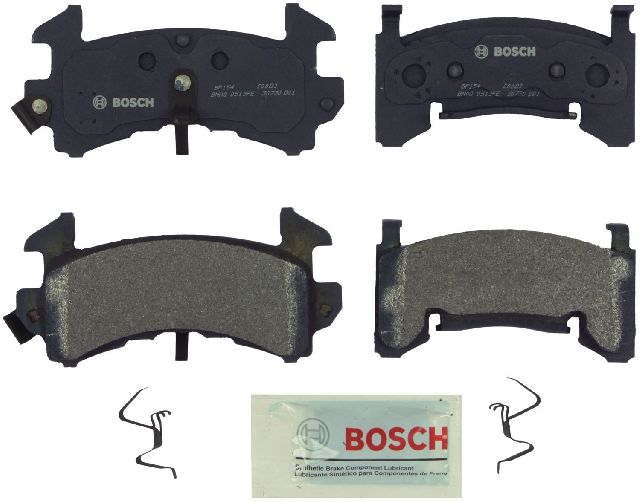
| Daily Driver (OEM Quality) | ACDelco, Wagner, Raybestos, Centric, Bosch | Reliable, quiet stopping for standard Regals with low dust and good durability. | $40 - $85 |
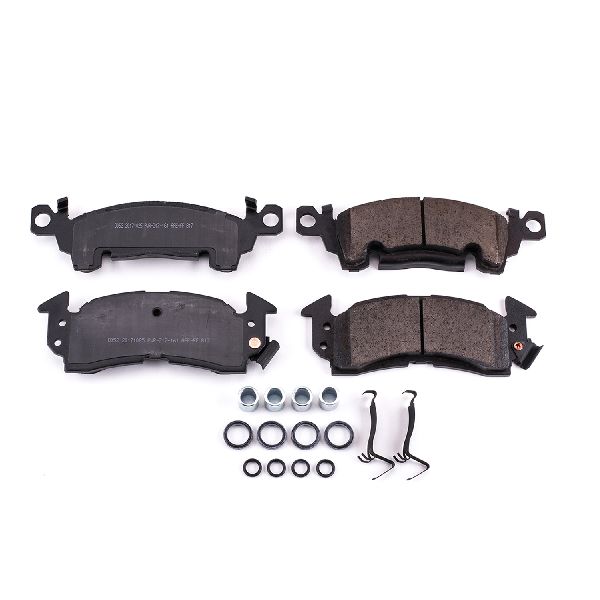
| Performance Street | Hawk Performance (HPS), Performance Friction (Z-Rated), EBC Brakes (Greenstuff/Yellowstuff), Powerstop | Turbo Regals and modified cars needing significantly more stopping power than stock without the full harshness of a race pad. | $85 - $160 |
Frequently Asked Questions
What are the best brake pads for my Grand National or T-Type?
For a high-powered Turbo Regal, you should skip the economy and standard ceramic pads. A performance street pad is the best choice. Forum members frequently recommend Performance Friction Carbon-Metallic (Z-rated) pads and Hawk HPS pads for a major improvement in stopping power with manageable dust and noise.
Should I replace my brake rotors at the same time as the pads?
Yes. On a vehicle of this age, it is highly recommended. Your old rotors likely have wear, rust, and uneven surfaces. Installing new pads on old rotors can lead to noise, vibration, and reduced performance. Given the low cost of new aftermarket rotors, it is best to replace them with your pads for a complete and reliable brake job.
What's the difference between the ACDelco Gold and Silver lines?
ACDelco is GM's parts brand. The Gold line is their premium aftermarket offering, positioned as a high-quality alternative to original parts. The Silver line is their more budget-friendly, high-value option. For a car you care about, the Gold line is generally the better choice.
What are brake pad friction codes like "FF" or "GG"?
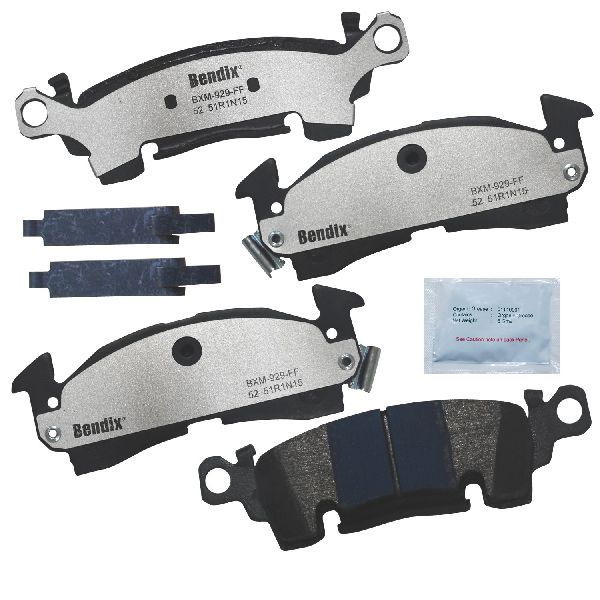
This two-letter code stamped on the pad indicates its friction level at low and high temperatures. The first letter is for low-temp performance and the second is for high-temp. Letters further in the alphabet mean a higher friction coefficient (more stopping power). A pad rated "GG" has high friction whether it's cold or hot, while a pad rated "FE" has good cold bite but may fade more at higher temperatures.
Technical Specifications
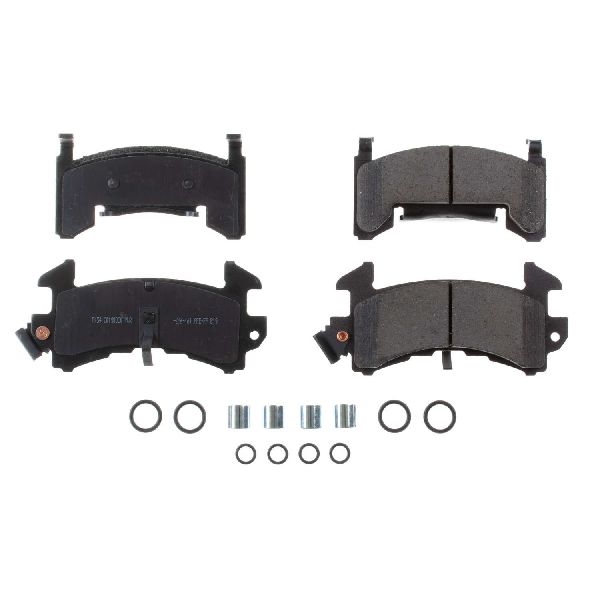
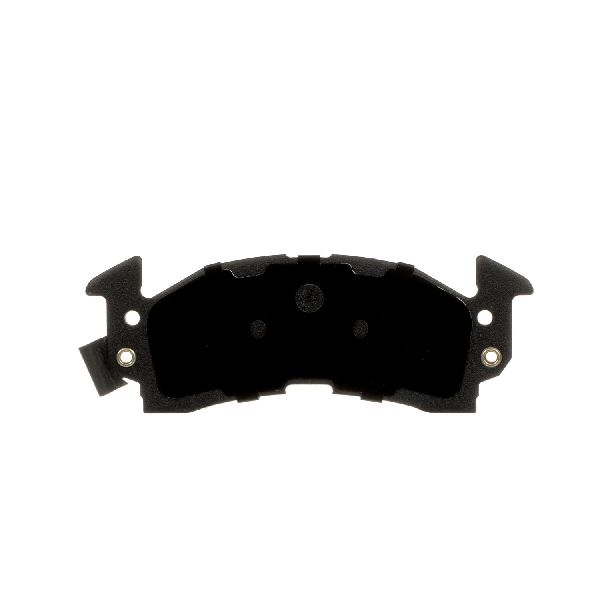
Most 1973-1988 Buick Regal models are equipped with a front disc / rear drum brake configuration. The front disc brake pads perform the majority of the vehicle's braking.
We Have This Part in Stock

The information in this article is provided for general reference and educational purposes only. Vehicle specifications, procedures, and part compatibility can vary by production date, trim level, and region. Always consult your vehicle's factory service manual and verify part numbers before purchasing or performing repairs. Safety-critical components such as airbags, seat belts, and braking systems should be installed by a qualified professional.