

Ford Bronco Engine Oil Pressure Switch & Sender Guide (1973-1988)
Keep your classic Bronco's engine safe by understanding its most important sensor.
- A flickering or zeroed-out oil gauge is the most common sign of a bad sending unit on a classic Bronco.
- Replacement is a simple, affordable DIY job that usually takes less than an hour.
- Always verify your oil level and listen for engine noises before assuming the sensor is the only problem.
- Reputable aftermarket brands like Standard Ignition and Facet are excellent choices for this part.
Is Your Bronco's Oil Pressure Gauge Acting Strange?
For 1973-1988 Ford Broncos, the oil pressure gauge is your window into the engine's health. When the sending unit that controls it starts to fail, it can cause a lot of worry. You might see the gauge drop to zero at a stoplight, flicker while you drive, or stay stuck at the top. While these symptoms can indicate a serious engine problem, they are often caused by a faulty, inexpensive sending unit. Ignoring these warnings is a big risk, but understanding the part can save you from unnecessary stress and costly repairs.
Choosing the Right Aftermarket Switch or Sender
For a vintage vehicle like the 1973-1988 Bronco, you have a few good options for aftermarket parts. The distinction between OEM and aftermarket quality is less of a concern than choosing a reputable brand.
- Motorcraft (OEM): As Ford's own brand, Motorcraft is the original equipment. If you can find a genuine Motorcraft sending unit, it's a reliable choice designed to work with your factory gauge. However, for these older models, Ford often used a simple on/off switch that would make the gauge read "normal" as long as there was minimal pressure (around 6 PSI), not a true variable sender.
- Standard Ignition (Standard Motor Products): Often considered a top-tier aftermarket brand, Standard parts are known for good quality and accurate calibration. They are a reliable alternative to Motorcraft and are widely available.
- Facet: An established European brand, Facet produces quality switches and sensors. They emphasize durable construction and are often considered an OE-equivalent replacement.
- Rostra Powertrain: Rostra is a known manufacturer of automotive electronics, including sensors and switches. They supply parts to both original equipment manufacturers and the aftermarket, indicating a standard of quality.
Typical Costs for Replacement
| Part Type | Price Range |
|---|---|
| New Aftermarket Part | $7.35 - $35.57 |
| Shop Labor | $50 - $100 |
| Total (DIY) | $7.35 - $35.57 |
| Total (Shop Repair) | $57 - $136 |
Frequently Asked Questions
Where is the oil pressure switch located on a 1973-1988 Bronco?
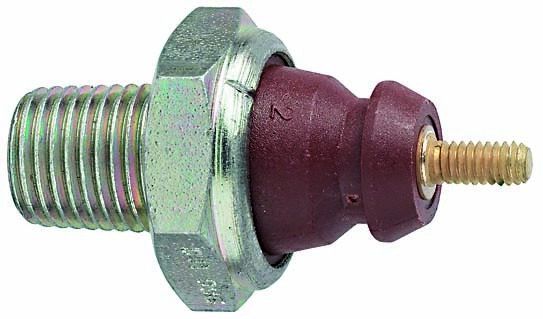
The oil pressure sending unit is typically located on the engine block, near the oil filter. On Ford V8s and inline-six engines of this era, it's a small canister-like sensor with a single wire connected to it. You may need to access it from underneath the vehicle.
Why does my oil pressure gauge drop at idle?
This is a very common symptom of a failing oil pressure sender. It can also be caused by low oil level, old/thin oil, or, in a worst-case scenario, worn engine bearings. The first and cheapest step is to check your oil and replace the sending unit.
Can I replace the oil pressure switch myself?
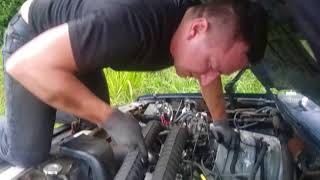
Yes, this is a very DIY-friendly job. It usually requires only a special deep socket designed for sending units and an extension. The part simply unscrews from the engine block. 🎬 Watch a step-by-step guide on replacing the oil sending unit. The entire process typically takes less than an hour.
My new switch is installed, but the gauge still doesn't work. What now?
First, check the single wire and connector for corrosion or a loose fit. You can test the gauge by grounding the connector wire (with the key on); the gauge should sweep to the high side. If it does, the gauge is good and the problem is the sender. If it doesn't, the issue may be in the wiring or the gauge itself.
Helpful Videos
Technical Specifications
OEM Part Numbers: E4ZZ-9278-A
Varies by whether the vehicle is equipped with a gauge or a warning light. The part must match the dash instrumentation. It typically uses a 1/4" pipe thread for mounting into the engine block.
We Have This Part in Stock


The information in this article is provided for general reference and educational purposes only. Vehicle specifications, procedures, and part compatibility can vary by production date, trim level, and region. Always consult your vehicle's factory service manual and verify part numbers before purchasing or performing repairs. Safety-critical components such as airbags, seat belts, and braking systems should be installed by a qualified professional.