

Choosing the Right Alternator for Your 1974-1978 Jeep Cherokee (SJ)
Keep your classic Cherokee's electrical system reliable by understanding your alternator options.
- Your 1974-1978 Cherokee uses an external voltage regulator that should be tested or replaced with the alternator.
- Choose a high-output alternator (100+ amps) from a brand like Powermaster if you run accessories like a winch or extra lights.
- For stock Jeeps, standard replacement brands like Crown, ACDelco, or WAI are sufficient.
- Always inspect old wiring and ground connections, as they can cause charging problems that mimic a bad alternator.
Is Your Cherokee's Alternator Failing?
An alternator doesn't usually fail without warning. For a 1970s vehicle with simple electronics, the signs are often obvious and directly related to electrical power. If you notice any of these symptoms, your alternator is likely the culprit.
- Dim or Flickering Headlights: This is the most common sign. You might notice your headlights are dim at idle but brighten when you rev the engine.
- A Battery That Won't Stay Charged: If you need to jump-start your Jeep frequently, or the battery dies after sitting, the alternator isn't doing its job of recharging it.
- Whining or Grinding Noises: A high-pitched whine that changes with engine RPM points to failing bearings inside the alternator.
- "ALT" or "GEN" Light: If your Cherokee is equipped with a generator or alternator warning light, it will illuminate if the system detects a charging problem.
Check Wires and Connections First
On a classic vehicle like the SJ Cherokee, wiring can become brittle and connections can corrode. Before replacing the alternator, inspect the main wire from the alternator to the battery and all ground connections. A bad wire can cause the same symptoms as a failed alternator.
Choosing the Right Aftermarket Alternator
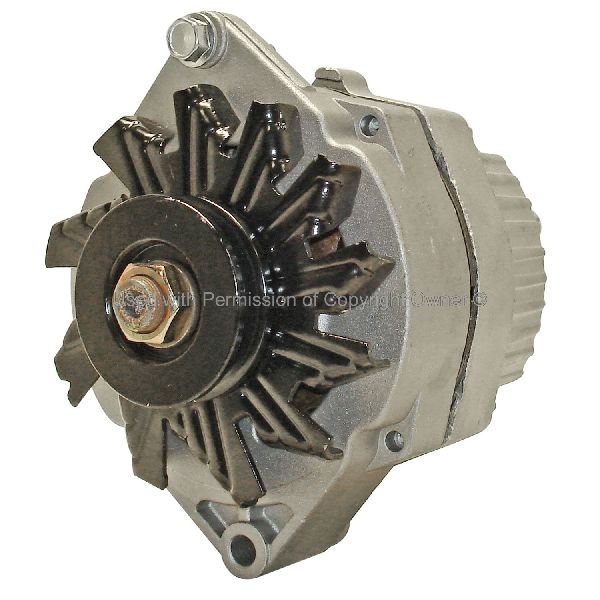
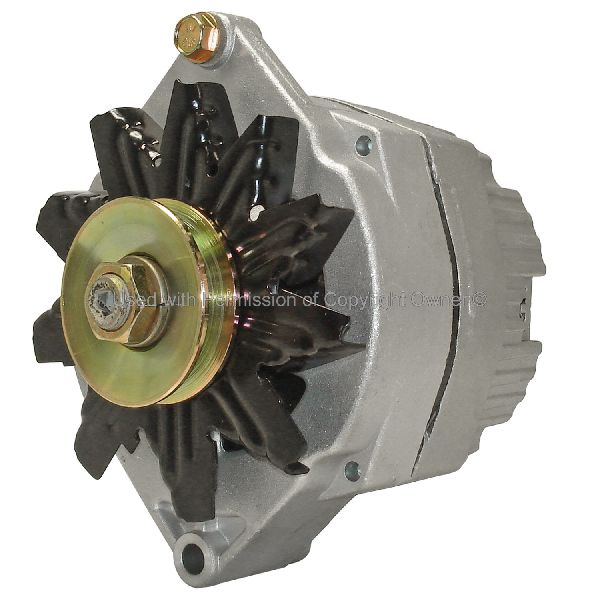
For a vehicle of this age, finding a "new OEM" Mopar alternator is nearly impossible. The market consists of new and remanufactured aftermarket parts, which often meet or exceed the original 1970s specifications. Your choice depends on your Jeep's use and electrical demands.
Brand Tiers for Your Cherokee
- Performance (High-Output): If you run a winch, modern off-road lights, a powerful stereo, or other high-draw accessories, a standard alternator won't keep up. Brands like Powermaster specialize in high-amperage alternators that provide more power, especially at idle. An upgrade to a 100-amp or higher unit can prevent a drained battery during heavy use.
- Jeep Specialist (Stock Replacement): Crown Automotive is a well-known brand that focuses exclusively on Jeep replacement parts. An alternator from Crown is designed to be a direct, factory-style replacement for a stock or lightly modified vehicle.
- Standard Aftermarket: Brands like ACDelco, BBB Industries, Remy, and WAI Global are reputable sources for standard, new, or remanufactured alternators. These are a cost-effective choice for a daily driver or a stock restoration and are widely available. Forum users often recommend buying these from a local parts store for easier warranty exchanges if you get a rare defective unit.
Don't Forget the External Voltage Regulator
Your 1974-1978 Cherokee uses a separate, external voltage regulator mounted on the firewall. This part can also fail and cause charging issues. It's inexpensive and wise to test it or replace it at the same time as your alternator to ensure the entire charging system is reliable.
How Much Does a New Aftermarket Alternator Cost?
The price depends on whether the part is new or remanufactured, and its amperage output.
| Item | Typical Cost |
|---|---|
| Standard New/Reman Aftermarket Alternator | $45 - $120 |
| High-Output Aftermarket Alternator | $130 - $290 |
| Shop Labor for Installation | $100 - $200 |
Frequently Asked Questions
Do I need a high-output alternator?
If your Cherokee is stock with no added electrical accessories, a standard-output alternator (typically around 60-70 amps) is sufficient. If you have added a winch, multiple off-road lights, a large stereo amplifier, or an electric fan, you should strongly consider a high-output alternator of 100 amps or more to handle the extra load.
What is an external voltage regulator and should I replace it?
The external voltage regulator is a small box, usually on the firewall, that controls the alternator's output to prevent over-charging the battery. They are a common failure point in older charging systems. Since they are inexpensive, it is highly recommended to test and likely replace the regulator when you install a new alternator to avoid future problems.
How do I know if it's the alternator or the battery?
A simple test with a multimeter can tell you. With the engine off, a healthy battery should read about 12.6 volts. With the engine running, the voltage at the battery terminals should jump to around 13.5 to 14.5 volts. If the voltage doesn't increase when the engine is on, the alternator is not charging. If the battery can't hold a charge even when the alternator is working, the battery is bad.
Is replacing the alternator a DIY job?
Yes, for most home mechanics. The alternator on these Jeeps is typically easy to access. The process involves disconnecting the battery, loosening the belt, removing two mounting bolts, and swapping a few electrical connections. It does not require many specialized tools.
Technical Specifications
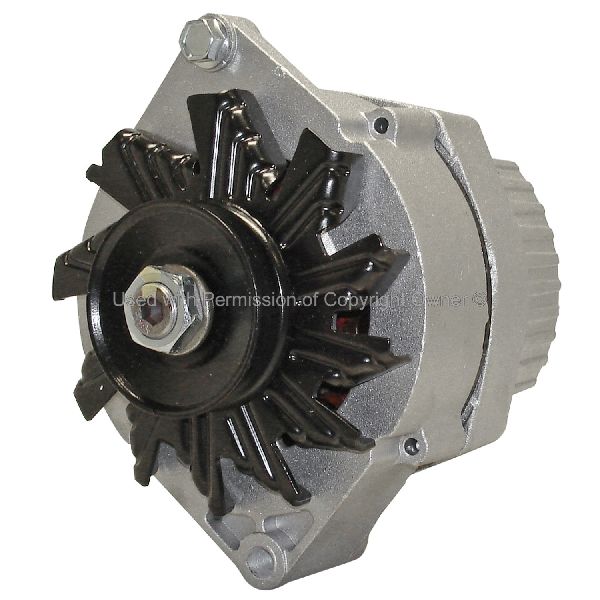
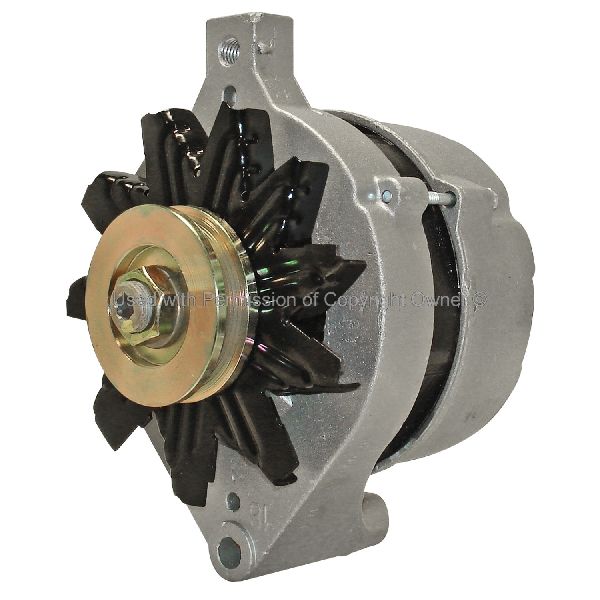
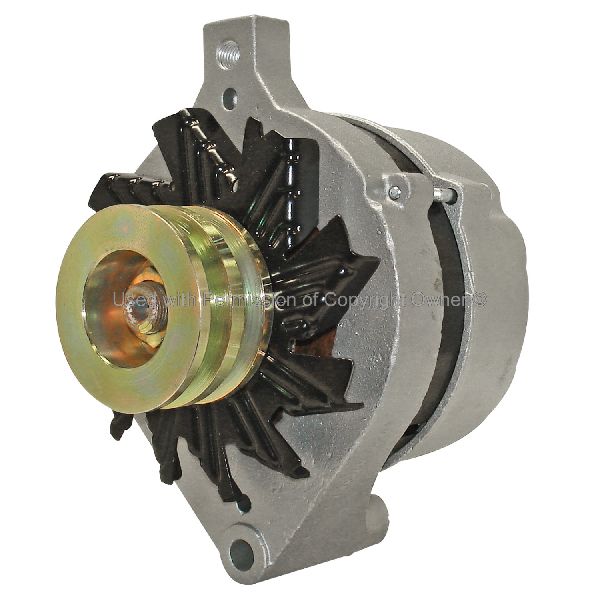
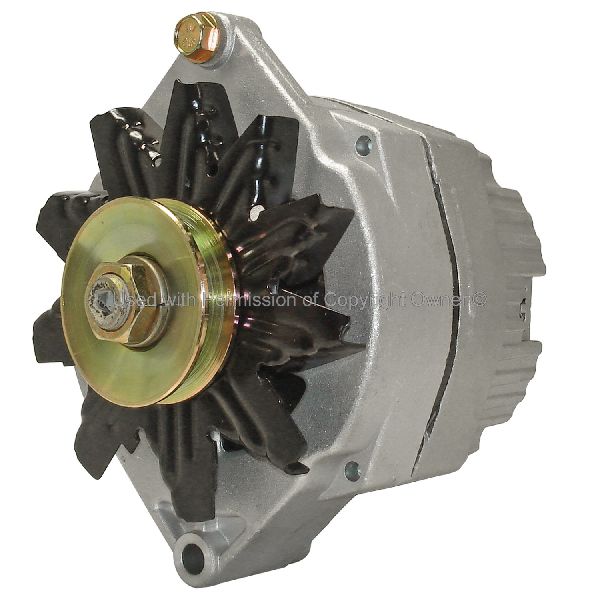
System uses an externally mounted voltage regulator. Stock amperage is typically around 63 amps. Upgraded high-output units range from 100 to 170+ amps. Mounting style is typically a 2-bolt configuration. Electrical connections include a main battery post and a 2-prong plug for the field circuit.
We Have This Part in Stock

The information in this article is provided for general reference and educational purposes only. Vehicle specifications, procedures, and part compatibility can vary by production date, trim level, and region. Always consult your vehicle's factory service manual and verify part numbers before purchasing or performing repairs. Safety-critical components such as airbags, seat belts, and braking systems should be installed by a qualified professional.