

Ignition Coil Guide for the 1974-1978 Jeep Cherokee (SJ)
Keep your classic Cherokee's ignition system firing reliably with the right aftermarket coil.
- A failing ignition coil on a 1974-1978 Cherokee will cause major issues like a no-start or stalling, as it's a single point of failure for the entire ignition system.
- For a stock restoration, reliable OEM-quality brands like Standard Ignition, NGK, and Crown are excellent choices.
- Performance brands like MSD and Accel offer a hotter spark but may be overkill for a stock engine and are best paired with other ignition upgrades.
- Replacement is a simple DIY job that takes less than 30 minutes with basic hand tools.
Is Your Jeep's Ignition Coil Failing?
A bad ignition coil in a 1974-1978 Jeep Cherokee can cause a range of frustrating problems. Because these classic SJ models have a single coil providing spark for the entire engine, a failure can leave you stranded. If you notice your engine is suddenly running rough, stalling, or won't start at all, the ignition coil is a prime suspect. Another common issue, especially with older vehicles, is a no-start condition in damp or rainy weather, which can point to a crack in the coil housing allowing moisture to short the system.
Critical Symptoms of Failure
- No-Start Condition: The engine cranks but never fires up. This is the most common and serious symptom.
- Engine Stalling: The engine shuts off unexpectedly while driving, often after it has warmed up.
- Rough Idle and Misfires: The engine shakes, sputters, or runs unevenly because of inconsistent spark.
- Loss of Power: Your Cherokee may feel sluggish and hesitate during acceleration.
Choosing the Right Aftermarket Ignition Coil
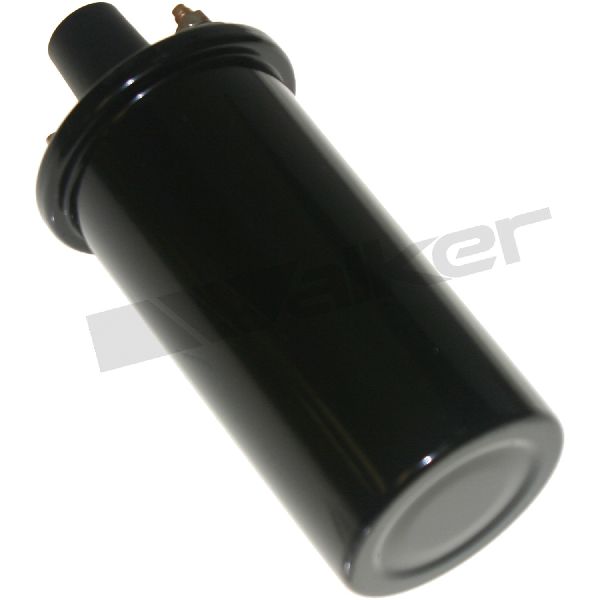
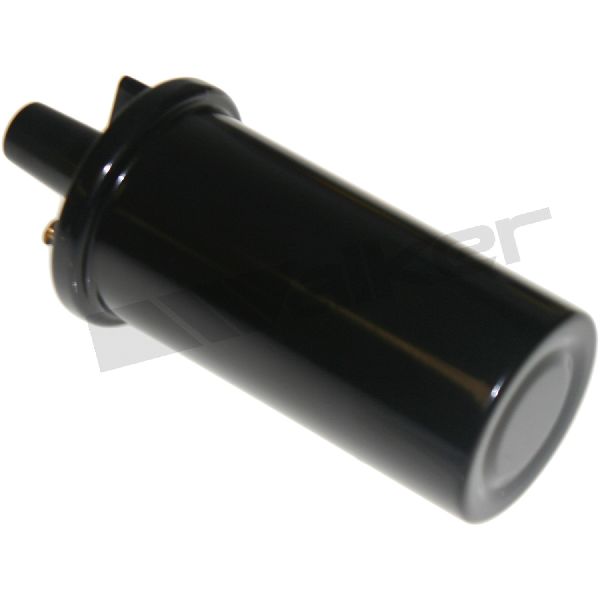
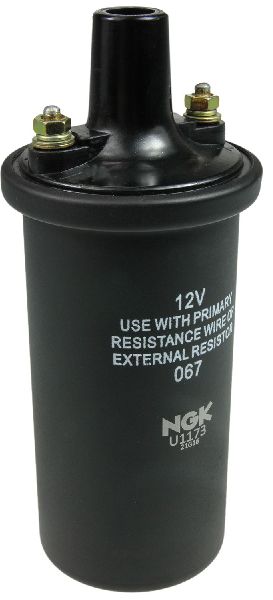
For a 1974-1978 Cherokee, you don't need to hunt down a rare, expensive OEM part. The aftermarket offers a wide range of quality replacements. These coils are typically the canister style used with an external resistor. Your choice depends on your needs: a stock replacement for daily driving or a performance upgrade for more power.
Brand Tiers for Your Cherokee
Not all aftermarket brands are the same. Here’s a breakdown of the brands available to help you choose.
- Performance Brands (MSD, Accel): These brands are known for high-output coils that deliver a hotter, more powerful spark. An MSD Blaster II or Accel SuperCoil can provide better throttle response and a smoother idle, especially if you have other engine modifications. However, some users report that for a stock engine, the benefit may not be significant, and some have noted premature failures on daily drivers.
- OEM-Quality Brands (Standard Ignition, NGK, Crown Automotive, Omix-Ada): These are your go-to choices for a reliable, stock-style replacement. Standard Ignition (SMP) and NGK are long-standing, reputable names in ignition components. Crown and Omix-Ada are Jeep-specific specialists, and while opinions can vary, they are generally considered good-quality options for keeping your Jeep running like original.
- Standard Replacement Brands (DriveWire, Spectra, Walker Products, WAI Global, Global Parts): These brands offer affordable, direct-fit replacements that get the job done. They are a good value for a standard vehicle, meeting OEM specifications without the higher price tag of premium brands.
Pro Tip: When replacing the coil, it's a great time to inspect your spark plug wires, distributor cap, and rotor. These components wear out over time and a new coil will only be effective if the rest of the ignition system is in good shape.
Cost of a New Ignition Coil (1974-1978 Jeep Cherokee)
| Part Type | Estimated Cost |
|---|---|
| New Aftermarket Ignition Coil | $27 - $86 |
| Shop Labor Cost | $50 - $100 |
Frequently Asked Questions
Do I need a specific coil for my engine (6-cylinder vs. V8)?
For this era, the same canister-style ignition coil is often used for both the inline-6 and V8 engines, but it's critical to verify the part number and specifications. The key is ensuring it's compatible with your vehicle's ignition system (points or early electronic) and whether it requires an external ballast resistor.
What's the difference between an oil-filled and an epoxy-filled coil?
Traditional canister coils are filled with oil to help cool the internal windings. Modern and performance coils often use epoxy, which is more durable, handles vibrations better, and can be mounted in any position, unlike oil-filled coils which must be mounted upright. For a stock application, either will work, but epoxy-filled coils from brands like MSD are considered an upgrade.
Can I test my old ignition coil?
Yes, you can perform a basic test with a multimeter to check the resistance of the primary and secondary windings. You can also perform a spark test by holding a spark plug wire near a ground point on the engine while a helper cranks it; you should see a strong, blue spark. A weak, orange or yellow spark indicates a failing coil.
Do I need to replace anything else with the coil?
It's highly recommended. A failing coil can be a symptom of other problems. Worn spark plugs or a bad ignition module can overwork the coil, causing it to fail. For best results, consider replacing the spark plugs, distributor cap, and rotor at the same time.
Technical Specifications
OEM Part Numbers: J3230751 3230751
Typically a 12V, canister-style, oil-filled or epoxy-filled ignition coil. May require an external ballast resistor depending on the specific ignition system (Prestolite or Motorcraft). Always verify compatibility with your engine and ignition type.
We Have This Part in Stock


The information in this article is provided for general reference and educational purposes only. Vehicle specifications, procedures, and part compatibility can vary by production date, trim level, and region. Always consult your vehicle's factory service manual and verify part numbers before purchasing or performing repairs. Safety-critical components such as airbags, seat belts, and braking systems should be installed by a qualified professional.